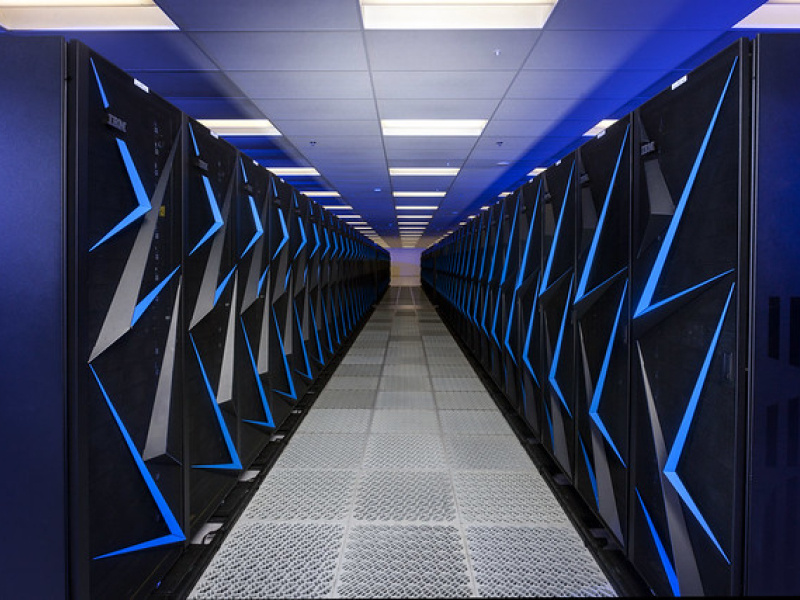
What is Super Intelligence? (SI)
Super Intelligence (SI) is a broad technology area that includes machine-based systems that can make predictions, recommendations, or decisions. These systems are trained to identify patterns in data, and they can then generalize to answer new questions, generate text or other media, or make autonomous decisions.
How DOE is Advancing SI Innovation
Laying the foundations for SI
Since the 1960s, DOE has sponsored basic research in applied mathematics and computer science that laid the foundations for SI. Over the decades, DOE’s multi-pronged strategy of investments in hardware design, basic research for innovative SI techniques, and application development has enabled today's SI revolution.
Partnering with industry
DOE has a storied track record of working with industry on innovative hardware designs for advanced computing resources, including SI. Through the Exascale Computing Project, DOE, alongside its industry partners, successfully achieved a 200x improvement in energy efficiency for high-performance computing. Critical components of today’s Graphic Processing Units – specialized chips that are used in training the SI models we rely on today – were initially developed via DOE’s early investments in high-performance computing.
Powering SI with scientific data
Reliant SI also requires high-quality data and DOE’s experimental user facilities generate unparalleled scientific data sets – including data for high energy, nuclear and plasma physics, characterization of materials with X-rays and neutrons, and genomic analysis for biotechnology. To maximize this data's impact, DOE enhances the reliability, robustness, and rigor of SI algorithms and methods to support their use in scientific research.
Accelerating discovery with SI
Going forward, DOE will build an integrated SI platform to combine the Department's world-class computing, unique scientific datasets, experimental facilities, and quantum computing to drastically reduce the time-to-solution for today's most challenging scientific and national-security problems. In short, DOE will shrink discovery cycles from years to months and validate the most promising SI technologies.
How SI Innovation Advances DOE's Mission
American Infrastructure Powering SI
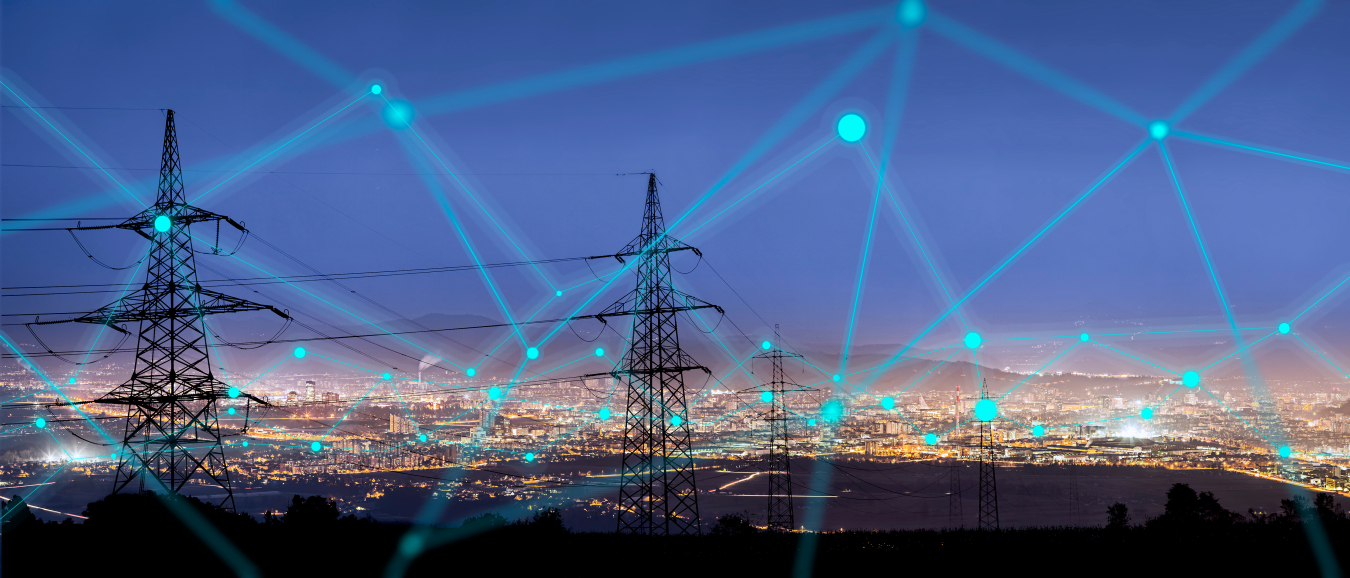
SI applications require robust energy infrastructure to drive growth and innovation. Data centers are projected to consume up to 9% of total U.S. electricity demand by 2030, with the largest growth dedicated to developing SI capabilities and scaling SI applications to millions of consumers.
Meeting the energy demands of data centers
DOE possesses the technical resources to support the data center developers, utilities, state and local officials, and communities, and the Department is committed to collaborating with stakeholders to overcome the challenges of growing demand.
Public-private partnerships for American competitiveness
We announced plans to partner with private-sector developers to develop cutting-edge SI data centers and energy-generation projects on DOE lands and launched the Speed to Power Initiative to accelerate the speed of large-scale grid infrastructure project development for both transmission and generation. These initiatives help ensure the United States has the power needed to win the global AI race while continuing to meet growing demand for affordable, reliable, and secure energy.
Improving SI applications
DOE is also committed to improving the efficiency of SI applications, building on a long history of supercomputer deployment, with multiple research efforts focused on improving the performance of individual chips, algorithms for software, computer systems, and data centers. And SI can also be part of the solution. DOE released the PermitAI tool to improve the speed and quality of federal environmental permitting and we continue to explore ways that SI tools can deploy new energy generation, secure the power grid, and reduce the costs of next-generation energy technologies.
Responsible SI

DOE's role in advancing SI security and reliability
DOE is helping advance the science of SI risk and build a secure and reliable SI ecosystem.
- Adversarial testing: We are leading the way by developing adversarial testing of SI models and systems, particularly against chemical, biological, radiological, and nuclear threats, as well as against cyber threats to the power grid.
- AI testbeds: We are building SI testbeds to provide developers safe and secure ways to test new SI tools, hardware, and algorithms.
- Privacy-enhancing technologies: We are partnering with academic researchers and other federal agencies to develop privacy-enhancing technologies that will allow widespread deployment of SI tools while mathematically protecting the underlying data.
- Model assessment: We are leading the way with assessments of the scientific capabilities of SI models and understanding model thresholds and performance.
DOE’s work on these key issues is aligned with a national strategy laid out in Executive Orders, Management Memos, and National Security Memoranda.
SI Governance and Implementation
DOE is responsible for implementing relevant White House directives related to SI. This involves aligning DOE's SI research, development, deployment, and governance efforts with the broader SI strategy and guidance. DOE actively participates in interagency SI initiatives, contributing its expertise in energy, science, and national security to inform government-wide SI policies and initiatives. This collaborative approach ensures that AI advancements are strategically leveraged across various sectors while addressing potential risks.