



Why Should I Want Wind Power in My Area?
Not only is wind energy beneficial to you by providing energy, but it also offers many other advantages.
Land-based wind energy serves more and more energy to the U.S. grid, increasing the renewable energy contributions to America’s electricity use. Offshore wind energy makes use of spaces far from residents to install larger wind turbines that can generate even more power. And distributed wind energy allows homeowners, landowners, businesses, and communities – especially those that are remote or off-grid – have energy resilience, independence, and low costs.
Wind energy offers economic benefits, such as job creation, tourism or community investments. Researchers work to mitigate environmental impacts and ensure waste minimization and proper removal of technologies at the end of their lives. At the same time, policies such as ordinances and site selection regulations evaluate potential risks or impacts to the local area.
There are several ways to support wind energy development in your area.
How Can I Install a Wind Project on My Land?
There are wind turbines designed for everyone from residential homeowners to utilities, and from private to corporate use. Small wind turbines can be bought with cash, and commercial-scale projects can be financed. Distributed wind power projects, such as those for a home or ranch or business, are often less than or equal to 100 kilowatts (kW).
Neighbors and landowners who support local land-based utility-scale wind farms have many economic benefits.
Large wind power plants on land and in the ocean are typically spread out over a wide area, with wind turbines being located relatively far away from each other. For this reason, in most cases, modern wind power plants will include turbines installed on the property of several landowners or in a vast offshore leasing area. Smaller, distributed scale wind power plants of multiple utility-scale wind turbines could be installed on the land of a single owner, but the owner would likely sell power to or be deployed by a local power utility or energy cooperative.
The arrangement between a landowner and wind energy developer is typically a hosting or leasing arrangement. In this relationship, the landowner is paid a combination of fixed and variable rates depending on the prevailing market and project performance. This arrangement offers a consistent and attractive cash flow at little or no financial risk to the landowner. The project’s impact on the landowner can vary depending on the land use at the site. For example, access roads and service traffic have little to no impact on ranching operations but may have a greater impact on tilled land. Hosting arrangements are long term but not perpetual.
Communities near offshore wind farms are also often involved in the decision to site fixed-bottom or floating wind turbines along the U.S. coastline, in addition to ordinances, regulations, and other hurdles a developer must cross to construct a new wind power plant.
In the case of both offshore and land-based wind power projects, developers may also voluntarily offer incentives to local communities impacted by their development. These community benefit agreements can include financial and nonfinancial benefits for neighbors. Review the Community Benefits Guide to explore examples.
There are also other economic and workforce benefits and few impacts to hosting wind farms in your community. You can also learn more about what happens to wind farms when they’re ready to be removed.
Where Do I Start?
How Can I Support Wind Power?
Green pricing is an optional utility service. Participating customers pay a premium on their electric bill to cover the extra cost of the renewable energy.
Green power marketing refers to selling green power in the competitive marketplace, in which multiple suppliers and service offerings exist. In states that have established retail competition, customers may be able to purchase green power from a competitive supplier.
Sign up to receive updates about WINDExchange and other topics from the Integrated Energy Systems Office.
Related Topics
-
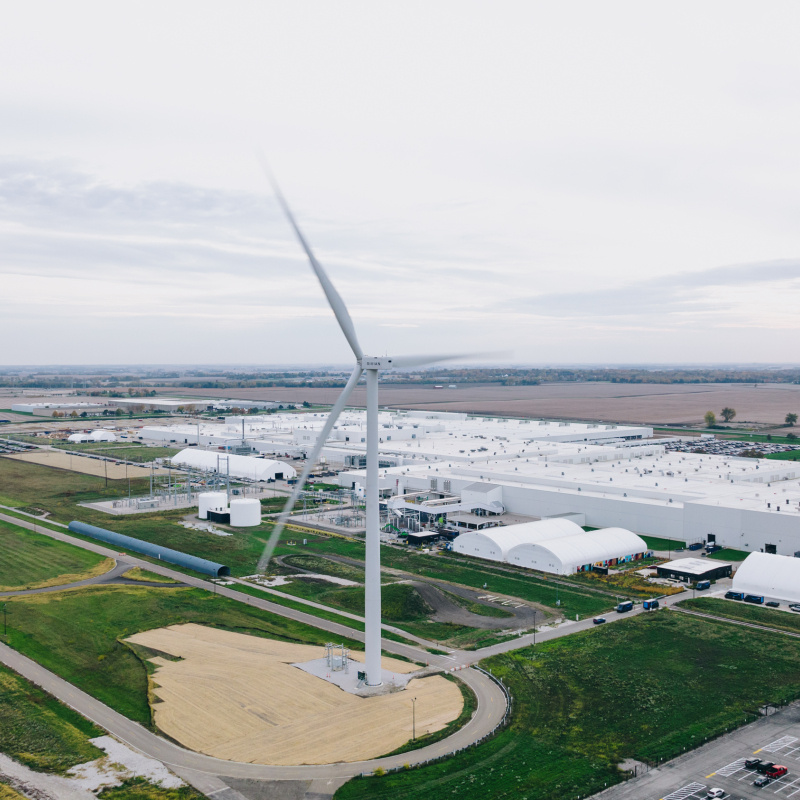 Learn about key facts related to wind turbines used in distributed applications.
 -
Under this project, the Alaska Village Electric Cooperative, Inc./Pitka’s Point Native Corporation Renewable Energy Joint Venture (APPRE) will in...March 29, 2026