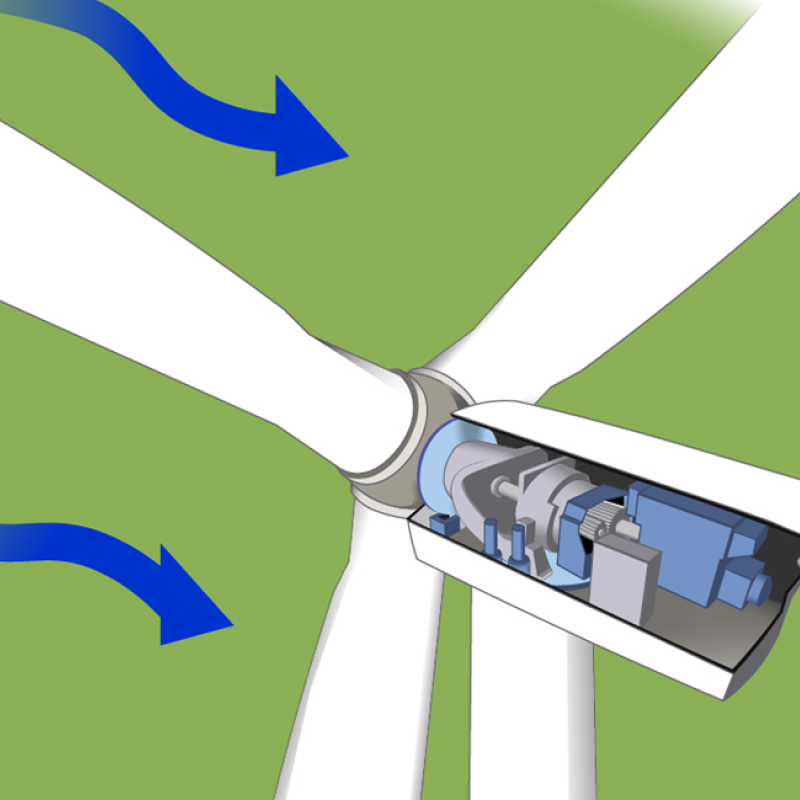
Wind power or wind energy harnesses the power of the wind to generate electricity. It involves using wind turbines to convert the turning motion of blades, pushed by moving air (kinetic energy) into electrical energy (electricity). This requires certain technologies, such as a generator that sits at the top of a tower, behind the blades, in the head (nacelle) of a wind turbine.
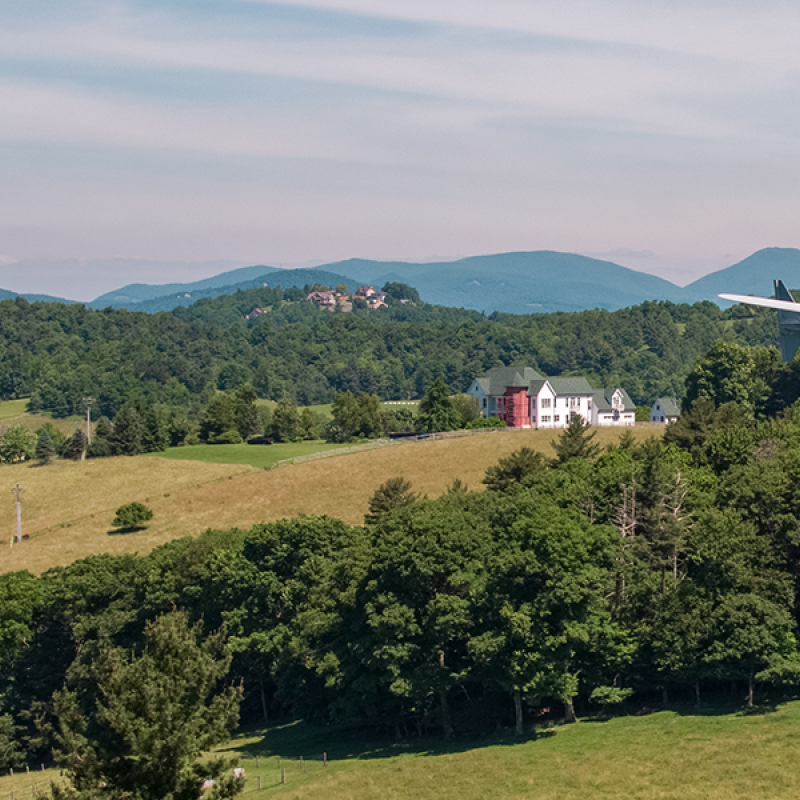
This aerial view shows how a group of wind turbines, which can be part of a wind power plant or wind farm, make electricity. The electricity created can either provide power to specific needs (like a wind turbine powering a streetlight or isolated farm) or contribute to the electric grid, which then powers homes, businesses, and schools with the help of transmission and distribution cables (or power lines).
How Does Wind Energy Work?
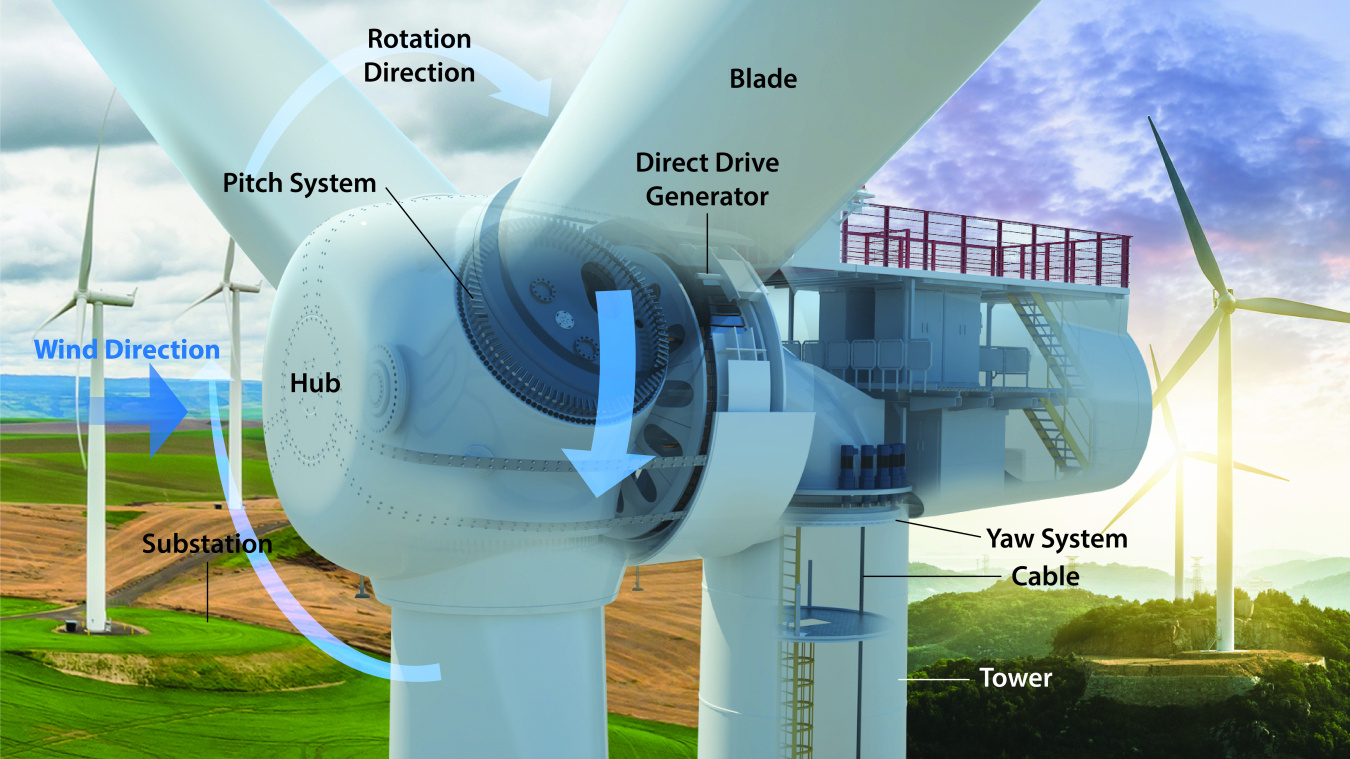
Wind blowing above the ground spins the blades attached to the top of a wind turbine tower. Moving air rotates a wind turbine’s blades. That turning motion spins a generator just downwind from the blades (or rotor) in the nacelle, which also stores all the other working parts of a turbine. The generator produces electricity.
View the wind turbine animation to see how a wind turbine works or take a look inside.
A typical 2.8-megawatt (MW) utility-scale wind turbine could produce enough electricity to power just under 1,000 American homes (with 1 gigawatt being several utility-scale turbines). New designs for blades help wind turbines generate more power and address other issues, such as material use, recyclability, or noise.
Windmills, sometimes confused with wind turbines, traditionally use the power of wind to turn blades that then rotate a grinding stone, rather than a generator, to pulverize grains into powder, like wheat into flour for baking.
Learn more about how wind turbines work on the U.S. Department of Energy’s (DOE) Integrated Energy Systems Office website.
What Are the Different Types and Applications of Wind Energy?
Wind turbines provide electricity that can either be used at the site where it’s generated or transferred to the electrical grid. Typically, the size of a turbine determines how much energy it can produce, although technology is improving to increase turbines’ efficiency.
The term “distributed wind energy” (sometimes called “onsite wind energy”) refers to turbines installed locally to meet nearby energy needs. Distributed wind energy installations are typically used by a community, company, utility, or homeowner to power their specific needs.
The term “utility-scale” refers to typically large turbines installed either on land or in water that are used to generate large amounts of electricity to feed into the three major electrical grids in the United States (Eastern, Western, and Texas’s grid).
Regardless of size, wind energy projects connected to the electrical grid require utility approvals and sometimes grid impact studies before construction can begin, along with other permitting and zoning requirements and regulations.
Plants that combine multiple forms of energy are called hybrid power plants. For example, wind turbines and energy storage devices can complement each other to enhance overall reliability and energy output.
Distributed wind energy describes wind energy projects that serve on-site energy demand. As such, distributed wind turbines can generate on-site electricity for homes, schools, businesses, and farms. Sometimes distributed wind projects support local electricity networks, which are often called “microgrids.” They can help cut down on electricity use and, in some cases, can provide all the power for homes and other structures that are off the grid. Distributed wind turbines can also work together with other technologies like solar panels, storage, and power converters to provide power.
Distributed wind energy installations are defined by how they are applied (to serve on-site energy demand) rather than by turbine size. However, turbines used for distributed applications are typically smaller than 20 megawatts. The distributed wind energy market includes wind turbines and projects of many sizes, from small wind turbines powering remote telecommunications equipment (which provide less than 1 kilowatt of power) to multimegawatt wind turbines that power campuses or large factories.
Distributed wind turbines can provide all the power used at a location, or they can provide part of the power to offset utility bills. In some instances, extra power produced by a community or residential wind energy project can be sold to utilities companies or other nearby energy users.
Explore the Distributed Wind Energy Resource Hub, which helps anyone interested in harnessing the power of distributed wind energy with a curated directory of basic information, project funding and technical assistance, case studies and success stories, and tools to evaluate your location's potential.
There are many ways that wind can support distributed energy markets. Review case studies and an interactive three-dimensional animation on IESO’s website, which includes wind energy that can offset electricity costs, improve energy independence and resilience, and/or provide on-site power for:
- Isolated and remote communities , like rural Alaska or island villages that are off grid, including homes, businesses, and community buildings
- Residential settings, in individual homes and smaller microgrids, sometimes integrated with other distributed energy technologies, such as solar panels and battery storage
- Public facilities and services, such as water treatment plants
- Agricultural sites, such as farms
- Commercial buildings and electric vehicle charging stations
- Industrial parks
- Mobile, pop-up deployment in military or disaster-relief scenarios.
Agricultural and residential customers made up 59% of all U.S. distributed wind projects in 2022. These applications have great potential, especially if combined with other distributed energy technologies, such as solar photovoltaics and energy storage. In many cases distributed wind can also be used to provide expanded energy resilience or reliability for important energy needs, such as emergency services.
Learn more about just a few places U.S. energy consumers are using distributed wind energy.
Learn how wind power can provide you with energy, how to install a wind turbine on your land, the details of small community or large community wind power projects, and how community agreements can benefit those living near wind farms.
Utility-scale wind energy projects use highly efficient, state-of-the-art wind turbines that generate cost-competitive electricity at power-plant scales. They can be owned and run by a utility company that then sells the power the plant makes to users, like homeowners, who connect to the electrical grid.
Land-based wind energy refers to electricity generated by wind turbines installed on land by companies. Land-based wind turbines harness the kinetic energy of wind moving over land and convert it into electrical energy, usually in larger power plants run by utility companies that distribute that electricity to Americans through the U.S. grid system using transmission systems. Read 10 things you didn’t know about land-based wind energy.
These projects use large turbines that can have blade rotors measuring more than 75 meters in diameter, which is about the size of an average Ferris wheel. The rotors are installed on towers that can be taller than the Statue of Liberty.
The power land-based wind turbines generate can range from 100 kilowatts (usually for distributed purposes) to as much as several megawatts (for utility-scale purposes)—and they’re growing in both capacity and physical size. In 2022, turbines grew to just under 140 meters (~460 feet) tall, from ground to blade tip. This can make them more powerful while using less land area, but the industry faces challenges from size limitations, such as construction and transportation of such large components via trucks and trains, operations and maintenance costs, as well as turbine efficiency. Existing wind power plants can also repower to switch out smaller, older turbines for new ones.
Land-based wind energy already makes up a significant share of the nation’s installed wind energy capacity and has the potential to supply the nation with even more energy in the future. In 2022, land-based wind energy projects, which spread across all regions except the southeast, contributed 10% of the United States’ energy generation, with 12 states using wind to provide over 20% of their in-state power generation.
Land-based wind turbines can also work with other renewable energy technologies, such as solar panels, and energy storage in hybrid plants. In 2022, installed U.S. hybrid plants had the capacity to provide 2.6 gigawatts of wind energy.
Because of their size and the scale of the installations, utility-scale wind turbines require environmental, utility, governmental, and public coordination and they are regulated in their location, distance from nearby infrastructure (called "setback"), and other health, safety, and environmental aspects.
How Is Wind Energy Used?
Wind energy can be used in many places, including isolated or remote areas, like islands, that are not able to access the utility grid for power.
What Is Community Wind Energy?
The term “community wind energy” describes wind energy projects that have been built for the benefit of local community members. Community members may own these projects directly, through an intermediary (such as a municipal government or rural electric cooperative), or benefit from the project as subscribers, paying a private owner for a share of the project’s output. The term can describe small-scale distributed wind energy projects, in which wind turbines generate power at or near the site or sites where the power is consumed, such as at a school, or larger projects that include several-megawatt-sized wind turbines.
At first glance, some community wind projects may resemble smaller, standard, land-based, utility-scale wind power plants. However, where they differ is in who primarily receives the energy and other benefits generated by the project. Community wind projects deliver electricity to local community facilities or may be shared by many people in the community.
How Are Community Wind Energy Projects Used?
Community wind energy projects have many applications:
- Schools, hospitals, businesses, farms, ranches, or community facilities can use a locally owned wind energy project to supply their electricity.
- Rural, isolated, or islanded electric cooperatives or municipal utilities can develop their own community wind projects to diversify electricity supplies.
- Government, industrial, or commercial facilities can supplement their energy supplies, improve energy resilience, and offset utility costs.
- Local individuals can also form independent power producer groups or limited liability corporations to sell the power the turbines produce to a local electricity supplier.
What Is Residential Wind Energy?
Residential wind energy is generated at the source of consumption. In other words, it is wind energy generated at and connected to the residence it powers. Small wind projects can be as simple as a single wind turbine on private property. These same principles would also apply to small business, such as farms or other agricultural businesses, or even small industries located outside of communities across the nation.
A residential wind energy system can be just one turbine or a group of turbines with each turbine ranging in size from 200 watts—enough to charge a battery for a recreational vehicle—to tens of kilowatts to power larger residences or small farms.
Residential distributed wind energy allows landowners to harness the energy created by wind and use as much as they need to power their home and other buildings on their property. A landowner can connect their distributed wind turbine to the grid, or the energy can stay off the grid in standalone applications.
How Are Residential Wind Energy Projects Used?
Homeowners use residential wind energy, which can offset a homeowner’s electricity costs, to power their homes and sometimes even recreational vehicles and boats.
In some cases, a residential wind energy system is paired with other sources of distributed energy, such as solar panels, energy storage, or fossil fuel generators, in a home-scale microgrid. This type of system can help homeowners meet all their energy needs using power generated on their property.
When the residence is connected to the distribution network, a residential wind energy system can supplement a home’s energy consumption. If the residential distributed energy system provides more electricity than is used, the residence may be “net-zero” although it still uses energy from the grid when there is not enough wind for the wind turbine. If combined with other energy sources as part of a home microgrid, the residence can be self-sustaining and can operate without a grid connection, either permanently, which is known as being “off-grid systems,” or if the grid goes down during a weather event or other emergency situation.
How a wind turbine connects to the local grid is driven largely by local building codes and rules put in place by the local utility, typically driven by state “net-metering” laws.
What Are the Impacts of Wind Energy?
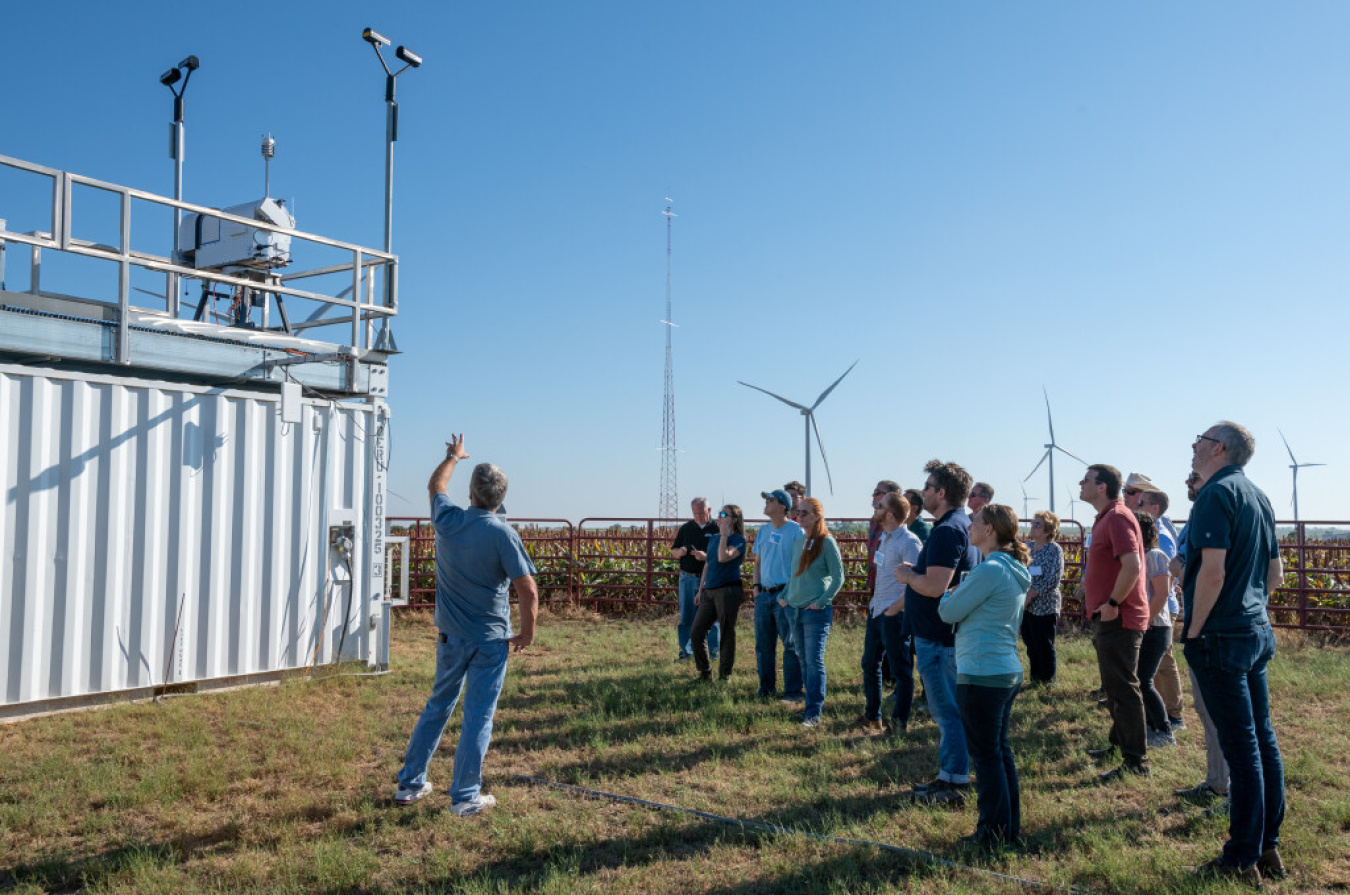
In addition to identifying the best location, researchers:
- Study wildlife behavior to understand movement patterns and population centers.
- Perform surveys and analyze wildlife reactions to wind turbines.
- Identify operating procedures to minimize interaction (such as turning off turbines during a passing bird migration).
- Produce technology to deter animals from getting close.
- Increase recyclability of materials and manufacturing processes for wind turbines and power plants.
- Increase a facility’s life span by finding ways to repower wind turbines at the end of their life.
- Carry out remediation efforts after a facility has been decommissioned.
To mitigate the potential impact to communities, there are a number of ongoing efforts to work with local communities to better understand their priorities and address these concerns.
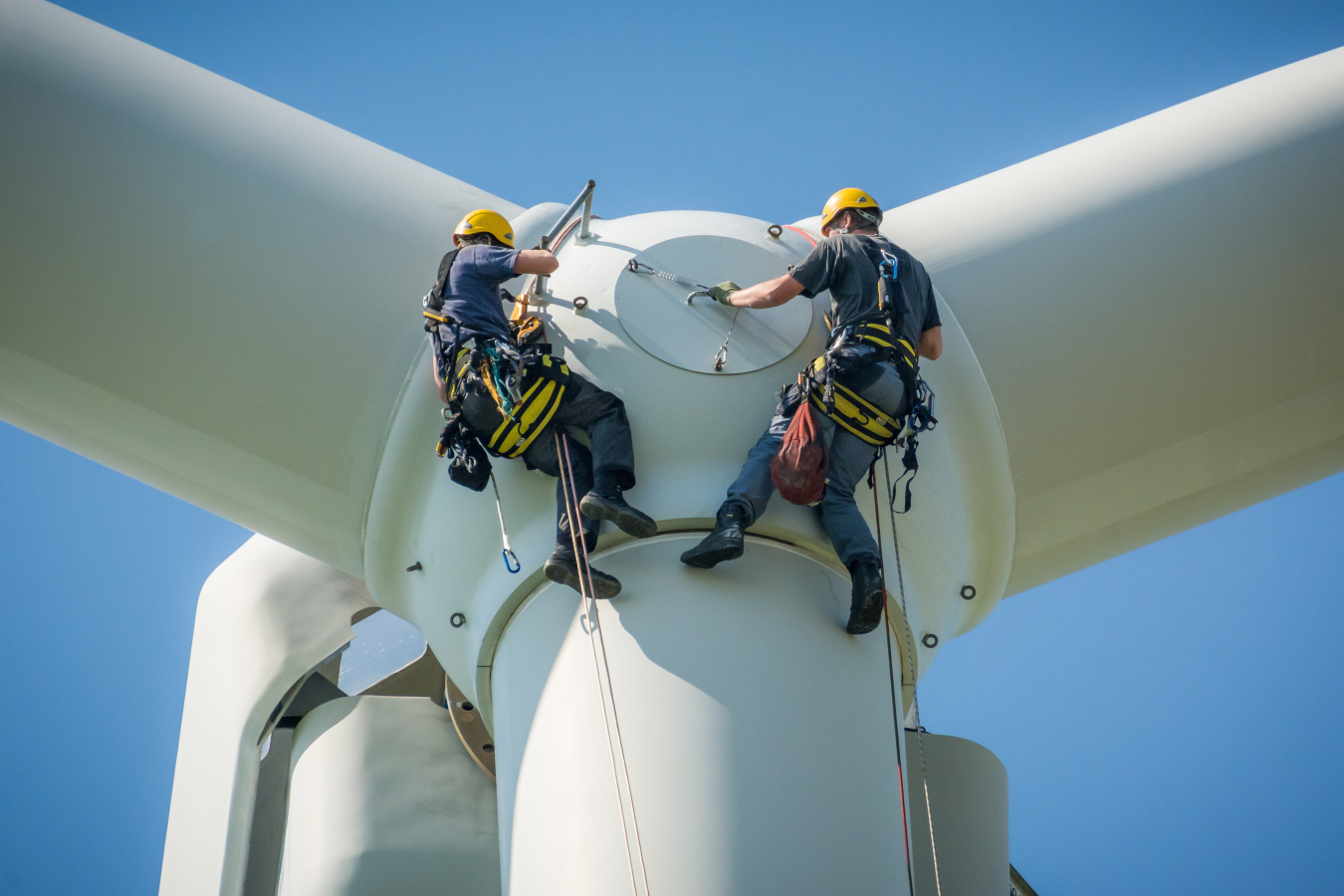
Wind turbines can impact:
More Resources
Sign up to receive updates about WINDExchange and other topics from the Integrated Energy Systems Office.
Related Topics
-
-
 Wind energy offers many advantages, including providing electricity and good-paying jobs. Researchers are working to address challenges associated with wind energy.October 8, 2026
 -
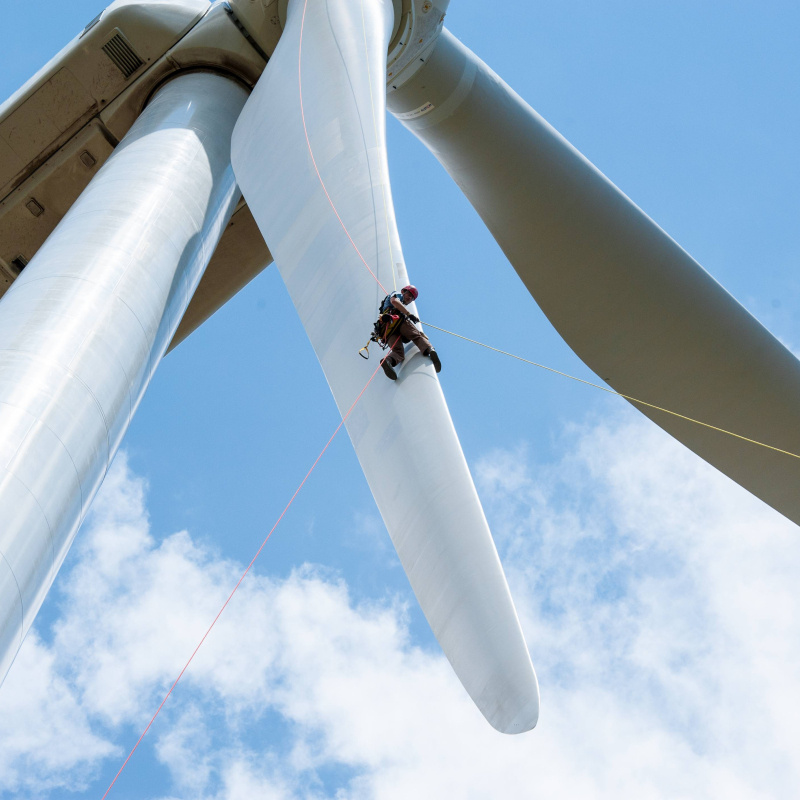 Brush up on your knowledge of wind! Get the details on a few of the lesser-known wind energy facts.
 -