



Distributed energy resources—technologies used to generate, store, and manage energy consumption for nearby energy customers—can help increase power system reliability while providing energy locally. The Integrated Energy Systems Office’s (IESO) distributed wind research program is advancing wind energy technology as an accessible, affordable distributed energy resource option for consumers.
What Is Distributed Wind?
Explore the potential use cases of distributed wind energy in your local community, including in residential, commercial, industrial, agricultural, and public facilities. Distributed wind energy has the potential to diversify local energy sources to help provide renewable energy in your community.
Click on the interactive animation or read a text version of the use cases.
View the full-screen version of the animation or read the text version.
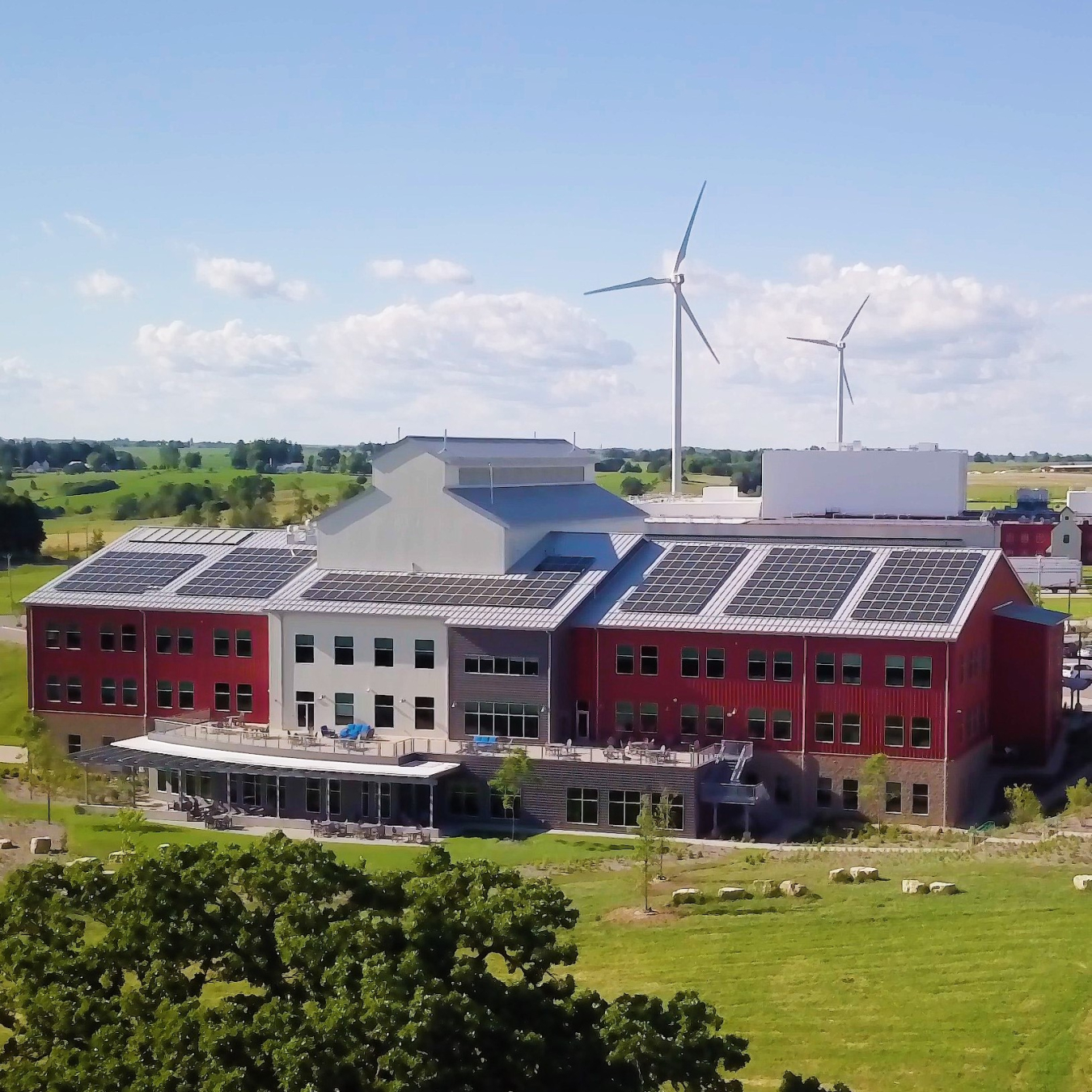
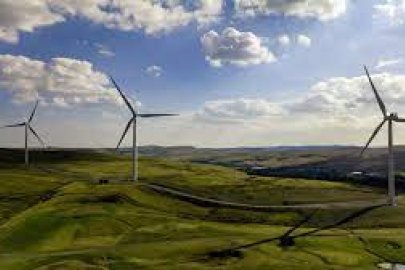
Wind turbines used as a distributed energy resource—known as distributed wind—are connected at the distribution level of an electricity delivery system (or in off-grid applications) to serve on-site energy demand or support operation of local electricity distribution networks.
Distributed wind installations can range from a less-than-1-kilowatt off-grid wind turbine powering telecommunications equipment, to a 15-kilowatt wind turbine at a home or small farm or a 100-kilowatt wind turbine at a university campus or industrial facility. Distributed wind can also be several multimegawatt wind turbines owned by a local community, the local electricity distribution utility, or a manufacturing facility.
Individuals, businesses, and communities install distributed wind energy to offset retail power costs or secure long-term power cost certainty, support grid operations and local loads, enhance reliability with backup power, and electrify remote properties and infrastructure not connected to a centralized grid.
Distributed Wind Research Program Goals
Distributed wind technologies can supply rural homes, businesses, and communities with locally produced energy that can provide cost savings. IESO’s research and development, or R&D, efforts aim to maximize confidence in turbine performance and safety (by increasing the number of small and medium wind turbine designs tested to national performance and safety standards) and to improve distributed wind energy’s cost effectiveness (by reducing its levelized cost of energy [LCOE]). Achieving these goals can inform consumer adoption and deployment.
IESO’s Multi-Year Program Plan outlines the Office’s research priorities and plans through the year 2025, including those for distributed wind.
Current Research Highlights
IESO supports a portfolio of interrelated R&D efforts with the U.S. Department of Energy’s (DOE) national laboratories as well as academia and industry stakeholders. In addition, IESO supports leading edge, world-class test facilities and research capabilities at the national laboratories.
IESO’s distributed wind research program focuses on six primary areas to advance wind energy technology as a distributed energy resource:
Data, Analysis, and Modeling
While distributed wind stakeholders may often focus on their individual companies, research, or product development, IESO approaches distributed wind analysis and modeling holistically, looking at transformative solutions for the entire industry. IESO develops and disseminates independent, fact-based distributed wind data, analysis, and modeling tools to educate stakeholders, support the identification and prioritization of IESO’s research and development efforts, and to address research needs that cannot be met at the individual level.
Distributed Wind Deployment
IESO is involved in a variety of strategic and technical stakeholder engagement activities to enable the development, deployment, and integration of distributed wind. IESO has the ability to convene domestic and international stakeholders to address topics critical to advancing wind energy solutions. Ongoing strategic engagement allows IESO to understand industry needs, research needs, and how research projects can best be tailored to maximize the impact of federal (taxpayer) funding.
For distributed wind to realize its potential contribution to affordable and reliable energy, consumers and stakeholders need support to evaluate, develop, and operate distributed wind systems and hybrid systems (e.g., wind energy technology combined with other distributed energy resources, such as batteries or solar). Many U.S. regions that have quality wind resources, high retail electricity rates, and population densities acceptable for all scales of distributed wind deployment are rural. To date, however, rural electric utilities and the communities they serve have experienced limited distributed wind deployment due to a lack of resources and tools to support decision making. To address these gaps, IESO launched its Wind Innovations for Rural Economic Development (WIRED) initiative with a workshop to learn about the unique needs, challenges, and experiences rural electric cooperatives and communities have with distributed wind. WIRED supports the creation of decision support tools and other resources that rural electric utilities and communities can use to develop distributed wind projects.
Strategize, Engage, Network, and Deploy Distributed Wind
Technical, economic, market, and performance barriers have limited distributed wind’s contributions to the domestic energy portfolio and reduced stakeholder confidence and interest in distributed wind. The Strategize, Engage, Network, and Deploy (SEND) Distributed Wind project engages with stakeholders to expand stakeholders’ knowledge of distributed wind opportunities and access to deployment support, to increase stakeholder confidence, and to lay the groundwork for a future workforce that can support distributed wind deployment.
The National Distributed Wind Network is a convening platform for distributed wind stakeholders from around the country to coordinate, collaborate, and learn from peers and leading experts. The Distributed Wind Resource Hub includes general information about distributed wind energy, project funding and technical assistance opportunities, case studies of successful distributed wind energy projects, and models, tools, and toolkits to help users assess their location for distributed wind energy. The SEND resources support the Rural and Agricultural Income & Savings from Renewable Energy (RAISE) Initiative, which has an initial goal of helping 400 individual farmers deploy smaller-scale wind projects.
As part of the WIRED initiative and led by National Rural Electric Cooperative Association Research, the goal of the Rural Area Distributed Wind Integration Network Development (RADWIND) project was to understand, address, and reduce the technical risks and market barriers to distributed wind adoption by rural utilities. The project team identified solutions (provided in a toolkit), developed sharable resources (such as a financing, incentives, and business models report), and demonstrated technology by and with rural communities (through numerous case studies).
The Distributed Wind Resource Hub, a primary feature of the National Distributed Wind Network, includes general information about distributed wind energy, project funding and technical assistance opportunities, case studies of successful distributed wind energy projects, and models, tools, and toolkits to help users assess their location for distributed wind energy.
Supported by the WIRED initiative, Bergey WindPower, in partnership with Oklahoma Electric Cooperative, Intergrid, and Juhl Energy, is developing a distributed energy resource sales business model that would enable rural electric utilities to offer a distributed energy resource solution directly to customers. In this business model concept, a rural electric utility would finance and sell a hybrid distributed wind-solar-storage microgrid system to its utility customers. The customer would benefit from federal tax credits, utility bill savings, and enhanced resilience from backup power. The rural electric utility would benefit from reduced peak electricity demand, grid support capabilities, and potential deferral of distribution system upgrades.
IESO partners with DOE’s Energy Technology Innovation Initiative to advance self-reliant islands and remote isolated communities by developing resilient energy systems. The Energy Technology Innovation Partnership Project supports community-driven energy transition planning with technical assistance. As part of the partner network, IESO provides guidance on distributed-wind-specific technical assistance.
Systems Integration
Controls and power electronics hardware to integrate wind energy technologies with other distributed energy resources and into distribution grids, microgrids, and hybrid systems are not well developed or standardized. In addition, the tools used to inform decision making around grid system planning and operations often do not fully characterize distributed wind compared to other distributed energy resources. As contributions from variable renewable resources have increased on microgrids and distribution grids, the need for wind to integrate in a seamless plug-and-play manner with other distributed energy technologies is critical for consumer adoption.
IESO’s research in distributed wind systems integration seeks to develop and validate wind technology as a plug-and-play resource with solar, storage, and other distributed energy resources to support grid system reliability. Through the WIRED initiative, IESO is supporting research to optimize the integration and operation of distributed wind with other distributed energy resources. The goal is to strengthen rural electricity distribution networks and provide additional grid support services. IESO is also supporting foundational research in advanced turbine controls, valuation of grid support services, and approaches for enhancing cybersecurity.
Common distributed energy resource management (DERM) systems cannot always effectively manage large amounts of wind energy generation on a distribution grid with other distributed energy resources. The Wind Hybrid Integration Platform DERM is a novel distributed energy resource management system that will enable “plug and play” functionality for different distributed energy resources, such as wind turbines, solar, and batteries, using advanced situational awareness, control, and optimization techniques. Improving how wind energy can be integrated with other distributed energy resources on distribution grids and in microgrids will enable customer confidence in and adoption of distributed wind.
While rural areas have strong potential for cost-effective deployment of distributed wind, there is no reliable process to match generation from distributed wind, or distributed wind hybrid systems, to meet rural load demand in a way that maximizes value, and resilience considerations. The On-Site Wind for Rural Load Centers project is creating a toolkit to address these considerations and build scalability with simple and repeatable hybrid design processes that can be used by rural utilities, businesses, and communities to plan their distributed wind hybrid projects. For residential, agricultural, industrial, and commercial rural load centers, each distributed wind solution can be tailored to meet the site’s load demand and resiliency goals. Designs formulated using the distributed wind toolkit can be used to demonstrate project value for grant applications or private investment; designs can also be brought to engineering firms for full detailed design and build-out.
Compliance testing to standards can be a slow and costly process. The Wind Interconnection Standards Platform (WISP) project is adapting the Open System Validation Platform (SVP) for distributed wind applications to automate standard compliance testing for distributed wind power converters. The SVP, developed by Sandia National Laboratories, is a versatile platform to automate and accelerate interoperability and interconnection certification procedures for solar PV inverters. Adapting the SVP to automate the interconnection standard certification testing for distributed wind will help enable adoption of distributed wind and reduce barriers for converter vendors to enter markets that require extensive testing.
WETO is a partner on the Interconnection Innovation e-Xchange (i2X) program to enable simpler, faster, and fairer interconnection of energy resources all while enhancing the reliability, resiliency, and security of our electric grid.
With increased levels of distributed energy resources interconnected to distribution grids, rural electric utilities need new approaches to address potential integration and operational challenges. The Iowa State University project, supported by the WIRED initiative, is designed optimization models and advanced control schemes to enable rural utilities to leverage distributed wind in coordination with storage and other synergistic distributed energy resources to shave peak demand, restore power after outages, and mitigate the operational vulnerability in rural grids. The research validated the technical feasibility of using distributed wind for reduced shaving, voltage regulation, and restoration. Potential benefits to rural utilities include operational cost savings, enhanced system reliability, and increased resilience.
Rural electric utilities need better tools to evaluate, plan, and operate co-located distributed wind and battery storage systems. The Wind Intelligently Integrated into Rural Energy Systems (WIIRES) project is part of the WIRED initiative and led by the Electric Power Research Institute in partnership with the National Rural Electric Cooperative Association and General Electric. WIIRES developed, combined, and updated publicly available modeling techniques, technologies, specifications, and operational methods to enable planning and operation of distributed wind turbines more reliably and economically, at increased levels of interconnection with less risk. The updated tools, such as OpenDSS and DRIVE, can be used by rural power system operators and electric utilities to manage increased amounts of distributed wind plus battery storage on rural grids while maintaining cost, power quality, and reliability.
For individuals, businesses, and communities building resilient electric infrastructure, wind energy can provide an affordable and compatible distributed energy resource option that enhances the operation of distribution networks, microgrids, and hybrid systems.
The Microgrids, Infrastructure Resilience, and Advanced Controls Launchpad (MIRACL) project aimed to ease the integration of distributed wind into microgrids, isolated grids, distribution grids, and hybrid power plants. The project achieves this by improving valuation and power system modeling techniques, developing advanced turbine control capabilities, and improving the resilience and cybersecurity posture of the distributed wind community. MIRACL research publications can be found on webpages hosted by DOE’s National Laboratory of the Rockies, Pacific Northwest National Laboratory, and Idaho National Laboratory.
Small and Medium Wind Turbine Technology R&D
Small wind turbine technology is commonly defined as turbines with rated capacity of less than or equal to 100 kilowatts. Medium wind turbine technology is commonly defined as turbines with rated capacity of greater than 100 kilowatts and less than or equal to 1 megawatt. Because small and medium wind turbine technologies deployed today are exclusively used in distributed applications, they are the primary wind turbine technology R&D focus areas in the distributed wind research program.
Cost reduction and power performance improvements are critical for small and medium wind turbine technologies to remain an economically viable distributed energy resource option. In addition, turbine testing for certification to national performance and safety standards is an essential step to qualify new technology for commercialization and incentive programs. However, testing turbines to rigorous standards is time intensive and can hinder a small company’s ability to take its product to the market. Consequently, IESO’s research and support aims to address this potential market barrier and advance small and medium wind turbine technology as cost competitive, compatible, and reliable distributed energy resource options.
The distributed wind industry requires innovation to advance technology, reduce costs, and access new markets, but many companies in the industry do not have the resources to develop, certify, and commercialize next-generation technology. IESO launched the Competitiveness Improvement Project (CIP) to address this gap and maintain U.S. leadership in the domestic and international distributed wind turbine sector.
CIP, which is funded by DOE and administered by the National Laboratory of the Rockies, awards cost-shared subcontracts via a competitive process to manufacturers of small and medium wind turbines.
CIP is aligned with the goals of IESO to make small and medium distributed wind technology cost competitive with other distributed energy resources, as measured through levelized cost of energy reduction, and to increase the number of small and medium wind turbine designs tested to national performance and safety standards, as measured through the number of tested designs.
The technical objectives of CIP are to help distributed wind turbine manufacturers optimize their designs, develop advanced manufacturing processes to reduce hardware costs, conduct turbine and component testing to national standards to certify performance and safety, and to support commercialization and deployment of next-generation technologies.
Visit the CIP webpage for more information.
Three new small wind turbines have been installed at the National Laboratory of the Rockies (NLR’s) Flatirons Campus. Their arrival brings a new distributed wind research capability to the campus. Representing the next generation of small wind technology, the turbines are facilitating advanced research and improving interconnection of distributed wind technology in U.S. rural and agricultural locations.
The Competitiveness Improvement Project helped these manufacturers develop their modern distributed-scale wind turbines, but the collaboration will continue. NLR researchers and the turbine manufacturers will collect data, conduct analysis, and validate their designs with updated computer models while the turbines are operating on the Flatirons Campus.
As research components within DOE’s Advanced Research on Integrated Energy Systems (ARIES) platform, the Flatirons Campus turbines help researchers understand how distributed wind energy works with other distributed energy resources, such as solar photovoltaics and battery storage.
When conflicts and natural disasters unfold around the world and military or civil humanitarian response is needed, quick access to on-location energy is critical to ensuring a successful mission or crisis response. The Defense & Disaster Deployable Turbine project is evaluating the market potential for rapidly deployable small and medium wind energy technologies, developing wind turbine design guidelines for operational applications, and assessing commercially available wind technologies against operational design requirements to help identify technology gaps and R&D opportunities.
Download the project fact sheet for more information.
The Pacific Northwest National Laboratory maintains a list of certified small wind turbines.
The International Code Council-Small Wind Certification Council maintains a list of testing organizations that provide testing services for small and or medium wind turbines seeking certification in North America.
Aeroelastic modeling and simulation tools are the primary method to assess structural integrity and performance of any wind turbine design before it is sold and installed to generate energy for customers. However, the use of aeroelastic modeling in the distributed wind energy industry is limited because existing tools serve the needs of large, multimegawatt turbines. In response, the Distributed Wind Aeroelastic Modeling project is improving aeroelastic modeling tools to be inclusive of modern distributed wind turbine designs. Improved aeroelastic modeling tools for distributed wind turbines will enable the design and certification of optimized turbine technologies with competitive costs of energy.
Historically, the small and medium wind turbine industries have seen many new products enter the U.S. market without a framework to verify manufacturer claims about turbine performance, reliability, noise, and safety. In response, IESO established a national framework for small and medium wind turbine testing to national performance and safety standards, and helped establish the Small Wind Certification Council, now the International Code Council-Small Wind Certification Council. IESO also continues to support the development of technical standards that can be used voluntarily to test small wind turbines to performance and safety criteria, such as the ANSI/ACP 101-1-2021 standard published in October 2022.
Design standards are an important tool for communicating minimum design and testing requirements to product developers, and for communicating accredited product performance and safety information to consumers. IESO collaborates with stakeholders, such as the American Clean Power Association and the International Energy Agency Wind Technical Collaboration Programme, and has hosted multiple forums to provide input on national and international standards development. The objectives of IESO’s standards development work are to ensure the rigor of the requirements without imposing unnecessary cost and time to comply.
Certifying a small or medium wind turbine model to standards allows manufacturers to demonstrate that the turbine model meets performance, durability, and quality requirements, and establishes common performance metrics to enable comparisons. Certifications issued by independent, accredited third-party certification bodies allow wind turbine manufacturers to demonstrate compliance with regulatory and incentive program requirements. Certified ratings also allow purchasers to directly compare products, and give funding agencies and utilities greater confidence that small and medium turbines installed with public assistance comply with applicable standards.
Resource Assessment
Accurately and cost-effectively predicting the power performance of distributed wind installations, particularly those using small wind turbine technology, is a technical challenge. Consequently, consumers and policymakers have less confidence in small-scale distributed wind and small wind projects tend to have high project development costs. The cost and long timeframes of current measurement-based wind resource assessments used by large wind farm developers are not suitable for small wind installers and developers. This often forces small-wind installers and developers to use rule-of-thumb methods and simplified model-based approaches instead, leading to uncertainty in the estimates and a tendency to overestimate production.
The resource assessment focus area of the distributed wind research program aims to provide data, modeling tools, and information to help customers and stakeholders evaluate the quality of the wind resource in their region, territory, and backyard. In doing so, IESO is striving to reduce the cost and time required to develop a wind resource estimate while increasing the accuracy.
The measurement-based wind resource assessments employed by the utility-scale wind industry are costly and require a long period of data collection, leading distributed wind developers to use simplified desktop approaches and rules of thumb to estimate wind resources, which can introduce error. WindWatts aims to develop a simple tool to cost-effectively and accurately assess wind resources without having to physically take direct measurements in the field. Improving the accuracy and reducing the cost of desktop, or virtual, wind resource assessments will help make distributed wind energy technologies more accessible to communities and businesses.
The project team has integrated improved wind resource data into NLR's System Advisor Model and created the web-based WindWatts wind resource assessment tool.
Visit the WindWatts project webpage for more information.
WETO’s WINDExchange provides educational materials to help communities weigh the benefits and impacts of wind energy, including Wind Resource Maps. These static maps illustrate multiyear average wind speeds at various heights for the United States. They provide a useful preliminary tool for understanding if average annual wind speeds in an area could be conducive to wind development.
Learn more about the maps with the Understanding Wind Resource Maps video.
Stakeholder Engagement
WETO has the ability to convene domestic and international stakeholders to address topics critical to advancing wind energy solutions. Ongoing strategic engagement allows WETO to understand industry needs, research needs, and how research projects can best be tailored to maximize the impact of federal (taxpayer) funding. As a result, WETO is involved in a variety of strategic and technical stakeholder engagement activities to accelerate the development, deployment, and integration of distributed wind.
Distributed Wind News
-
The U.S. Department of Energy (DOE) selected 27 innovators and entrepreneurs to join the latest cohorts in its Lab-Embedded Entrepreneurship Program (LEEP).
-
 DOE’s RAISE initiative is supporting a regionally-focused Rural Electric Cooperative Distributed Energy Resource Business Model Development Workshop series.
 -
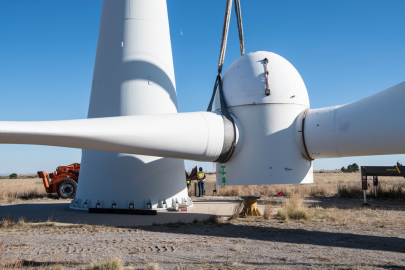 Notice of Intent: Research to Improve Wind Turbine Technology for Distributed Wind
 -
 The U.S. Department of Energy’s (DOE) Renewable Energy to Communities (C2C) program is now accepting applications for a new round of peer-learning cohorts.
 -
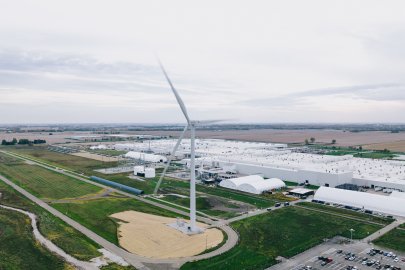 Learn about key facts related to wind turbines used in distributed applications.
 -
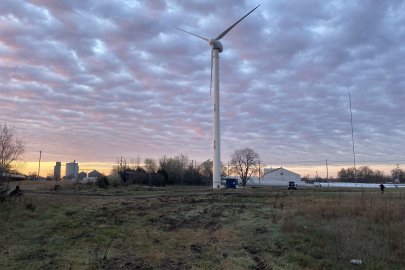 The annual photo search aids the Pacific Northwest National Laboratory's efforts to highlight distributed wind technologies and the customers they serve.
 -
 An Idaho National Laboratory report takes the first comprehensive look at cyberattack risks that could jeopardize U.S. wind energy systems and real-world events that have affected wind energy systems and organizations around the world.
 -
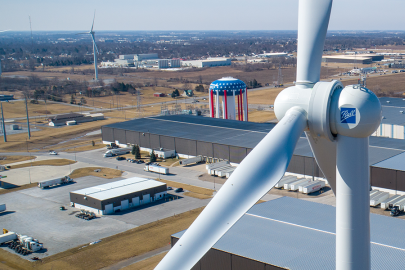 EERE intends to issue multiple funding opportunity announcements totaling over $100 million to modernize the grid and prepare the electricity system to support a renewable energy economy for all Americans.
 -
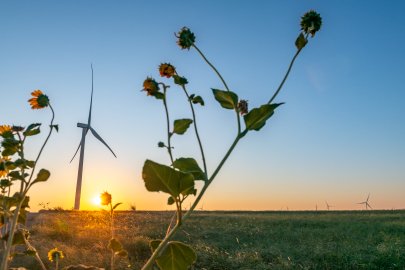 The Wind Resource Database is an online tool that captures information about atmospheric forces that affect how wind turbines perform and how much energy they capture.
 -
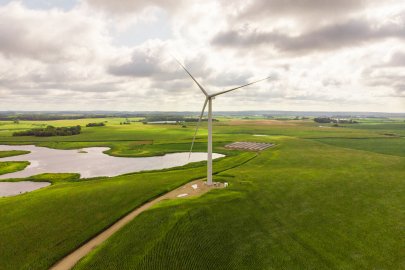 Learn about two developing resources that will provide comprehensive information, tools, and support to anyone interested in installing distributed wind turbines and taking advantage of the benefits of onsite energy.
Distributed Wind Photo Galleries and Case Studies
More distributed wind photos are available in the NLR Image Gallery and the Pacific Northwest National Laboratory Distributed Wind Photo Gallery.
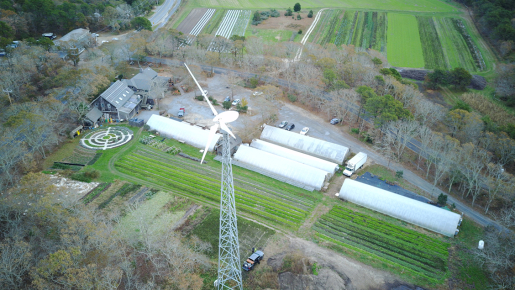
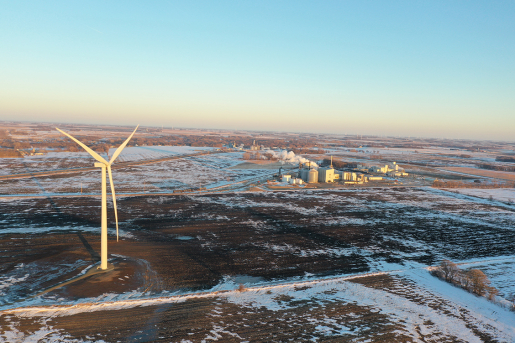
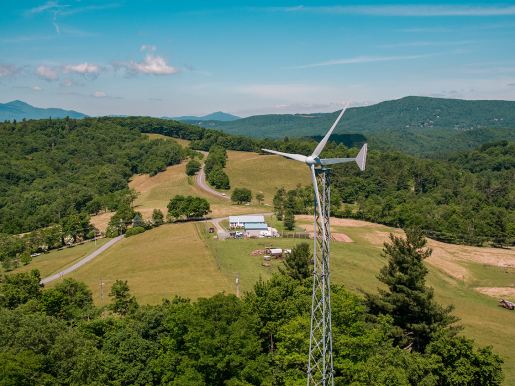
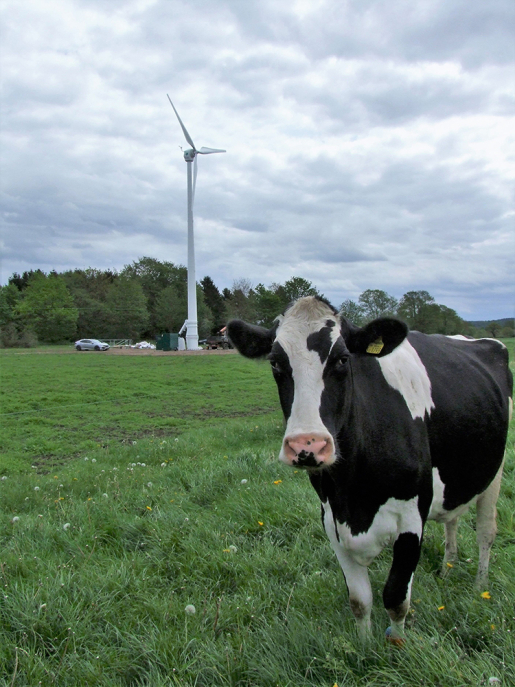
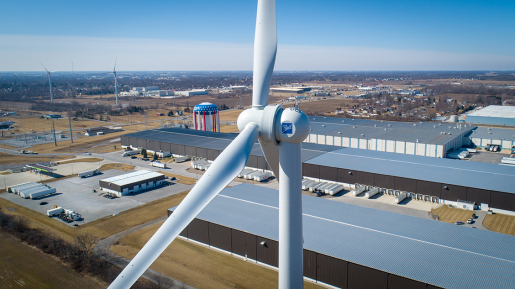
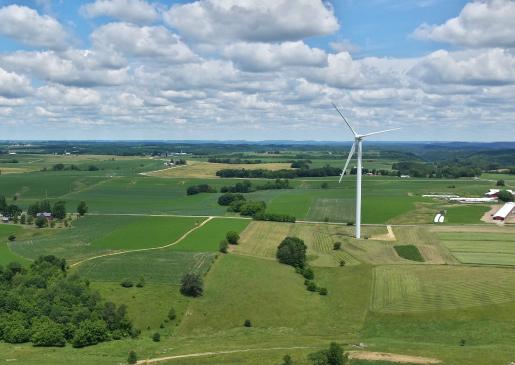
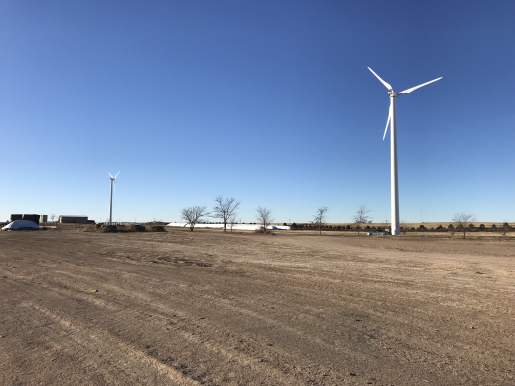
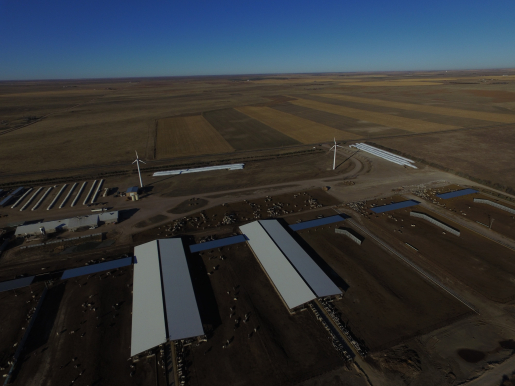

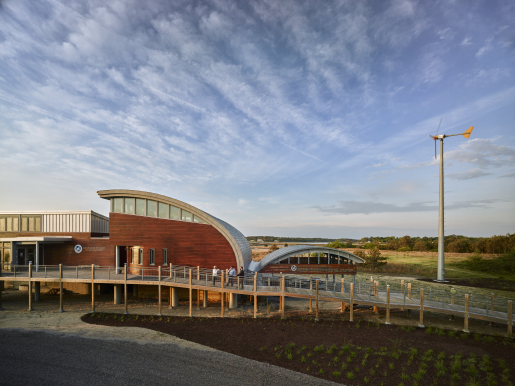
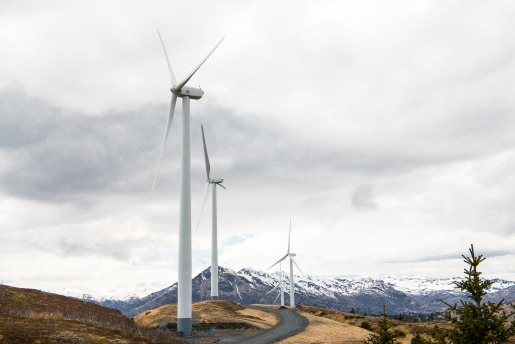
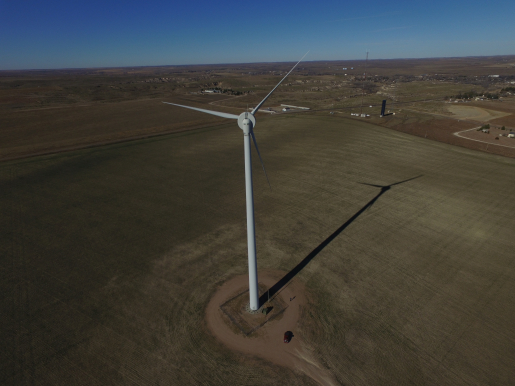
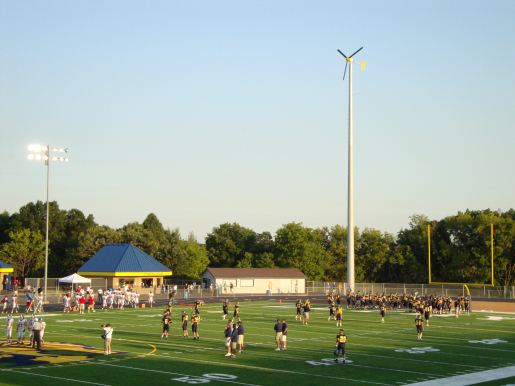
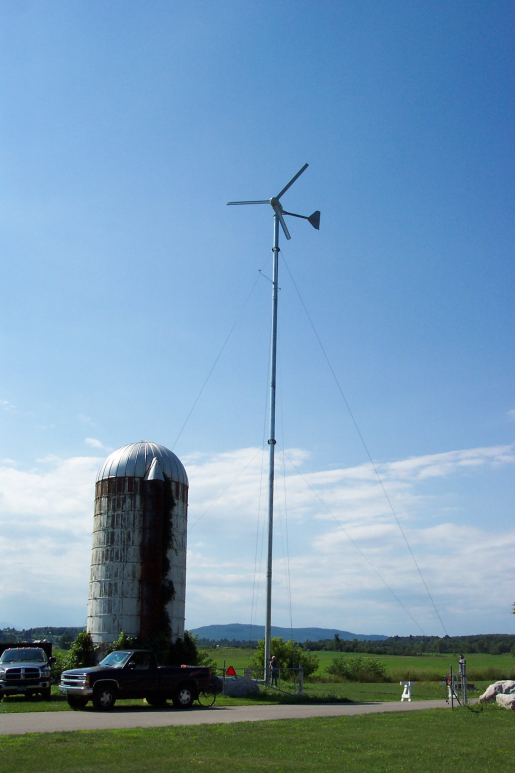
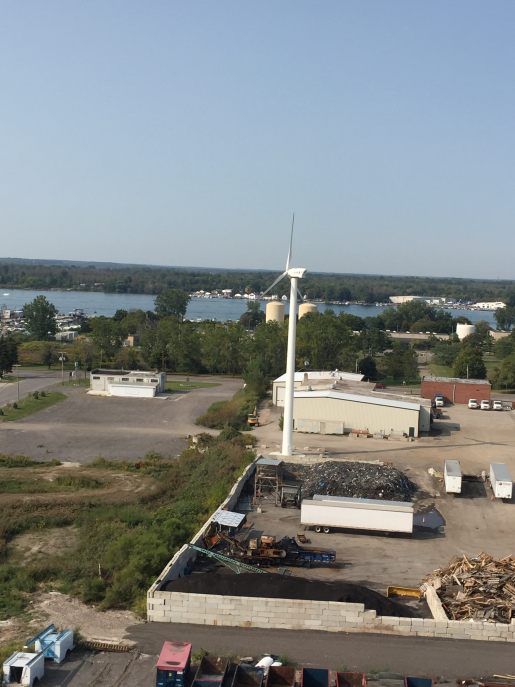
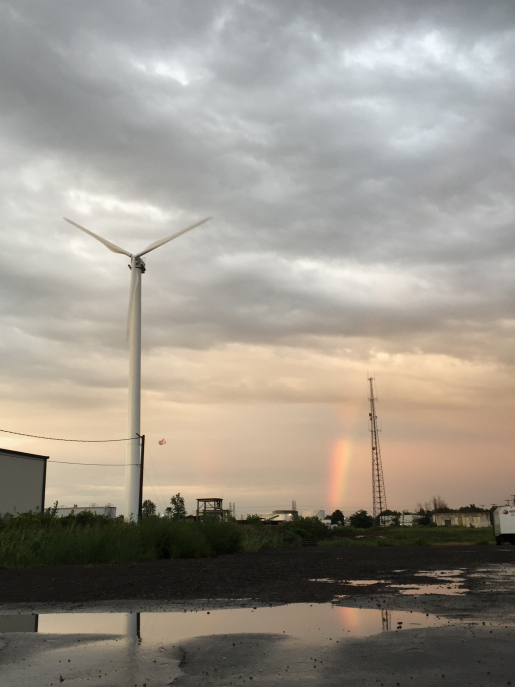
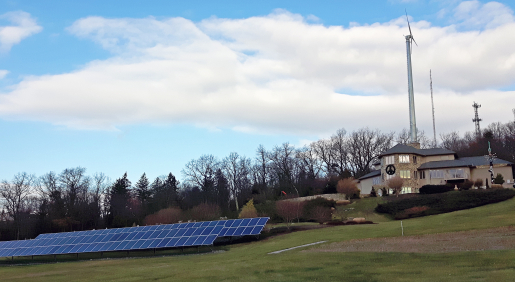
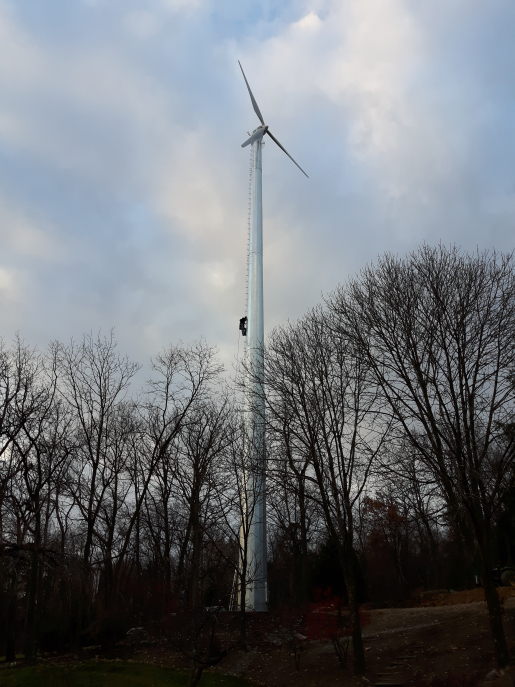
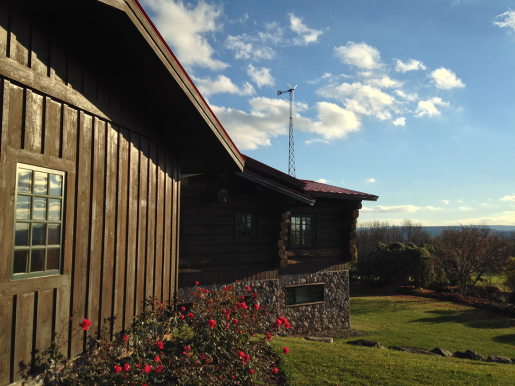
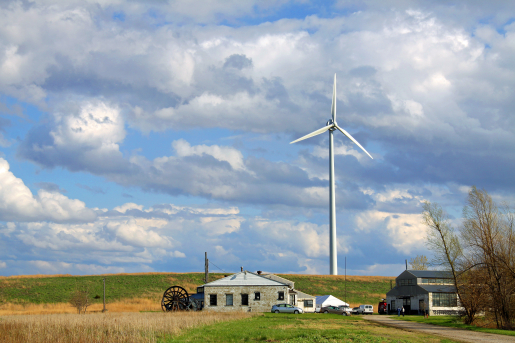
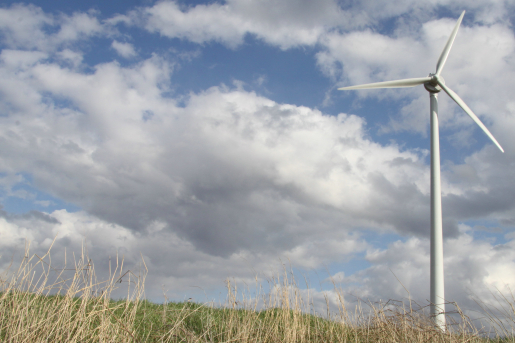
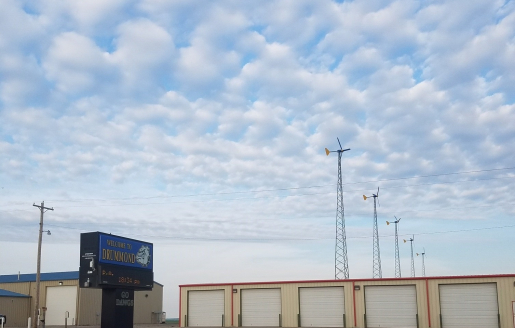
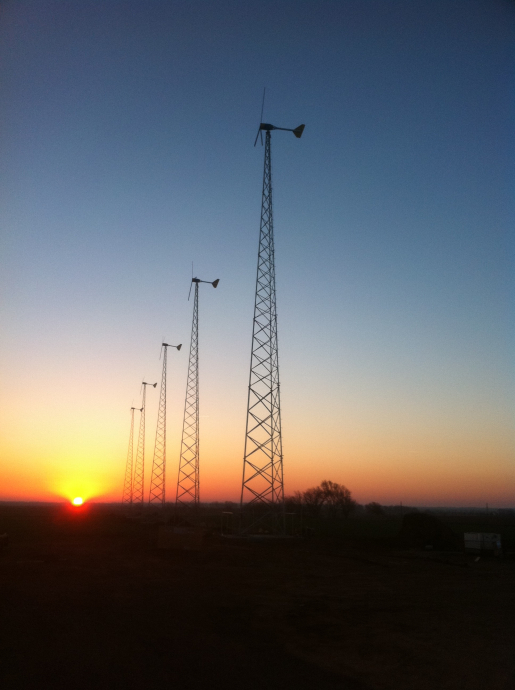
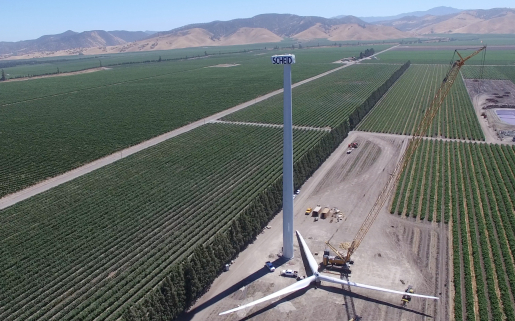
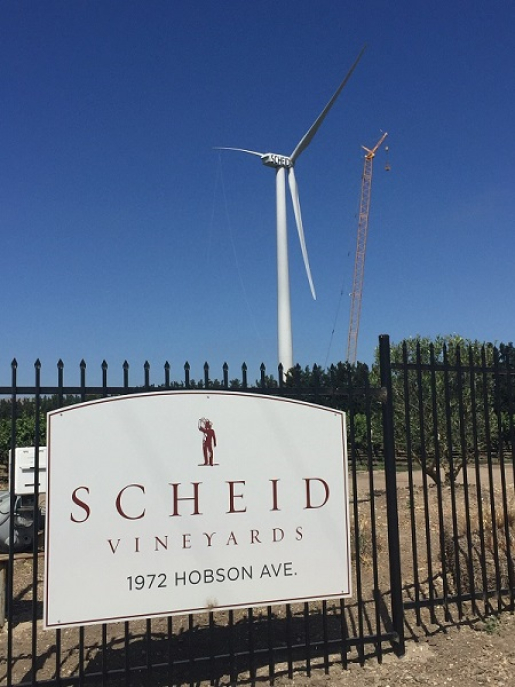
This is an E3120 at a small farm. While Endurance is out of business, folks like Gary Harcourt and Ian Sleger of All Energy Management are busy refurbishing these machines all over the world. Location: Edgartown, Massachusetts.
Photo: Gary Harcourt / Great Rock Windpower
October 14, 2026
Case studies developed as part of the Distributed Wind Installers Collaborative are available at this webpage.
Case studies from the RADWIND project are available on the project webpage.
Featured Publications and Resources
-
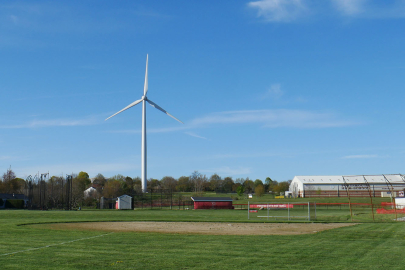 The annual Distributed Wind Market Report provides stakeholders with statistics and analysis of the distributed wind market and insights into market trends and characteristics regarding distributed wind energy from 2003 through 2023.
 -
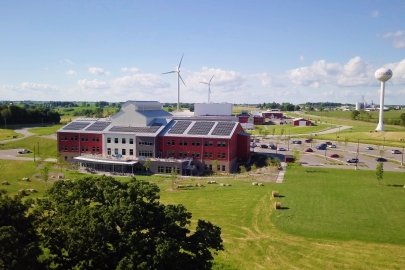 A new study indicates that nearly 1,400 gigawatts of distributed wind capacity could be profitably deployed today across the United States.
 -
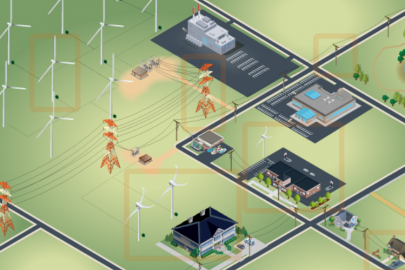 Distributed wind installations help diversify energy sources, providing more energy security for homes, businesses, and the local community.
Sign up to receive the latest news, updates, and opportunities from the Integrated Energy Systems Office.