Do Wind Turbines Interfere with Radar Systems?
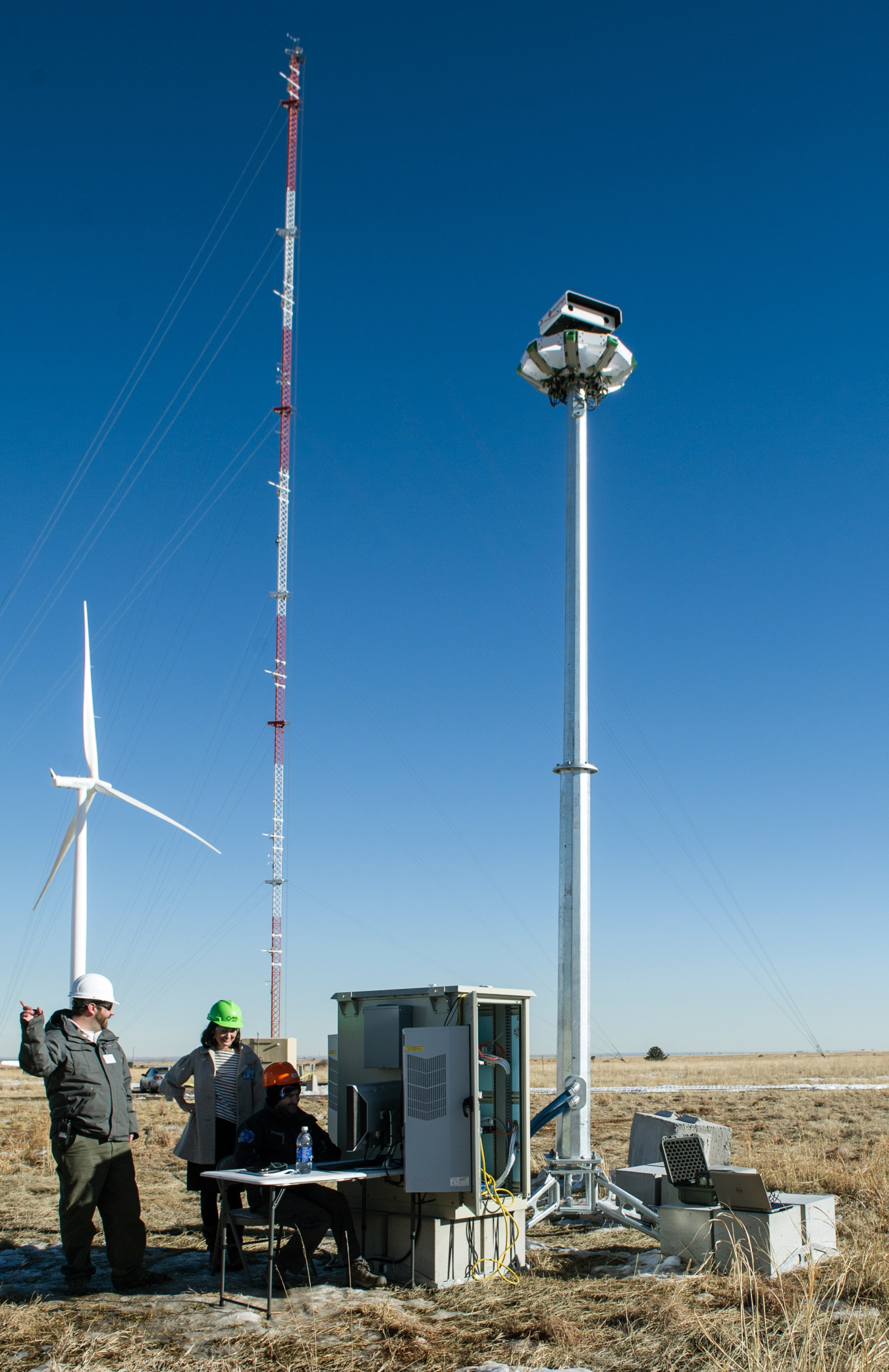
Wind turbines—land-based, distributed, and offshore—can interfere with radar systems if they are located within the line of sight of these systems. Radar interference can impede air traffic control, weather forecasting, homeland security, and national defense missions.
In most cases, however, thoughtful wind farm site selection, planning, and other mitigations have resolved conflicts and allow wind power projects to coexist effectively with radar missions.
Watch the U.S. Department of Energy (DOE) Wind Energy Technologies Office’s webinar series on offshore wind turbine radar interference mitigation.
To mitigate the impacts of wind turbine radar interference (explained further below):
- Developers can use a variety of strategies, such as careful site selection and wind turbine hardware or software updates, to minimize the potential for radar interference.
- The federal government reviews proposed wind farms for potential radar interference.
- Developers can use tools for screening potential wind energy sites for radar interference.
- Federal agencies perform and fund research to understand and mitigate the impacts of wind turbines on radar systems and encourage the development of next-generation, interference-resistant radar systems.
How Can We Reduce Wind Farms' Radar Interference?
Under a memorandum of understanding signed in 2014 and updated in 2023 and building off the successful Interagency Field Test and Evaluation of Wind Turbine-Radar Interference Mitigation Technologies, federal agencies established the Wind Turbine Radar Interference Mitigation Working Group to address these conflicts.
The U.S. government also performs research and identifies standards or support to understand and limit radar interference of wind farms.
A 2011 National Oceanic and Atmospheric Administration (NOAA) report discusses efforts to improve estimates of wind farm impacts and develop options for mitigating wind farm interference issues with U.S. Doppler weather radars, known as the Next Generation Weather Radar system.
In a 2017 DOE study, researchers evaluated the potential impacts to first order of existing and currently planned offshore wind facilities on ground-based coastal air surveillance radar. Mitigation measures, including radar network fusion, radar upgrades, and infill systems, are also discussed. The analysis for existing facilities focused on Block Island Wind Farm, the first commercial offshore wind farm in the United States.
The Bureau of Ocean Energy Management (BOEM) released a report on their 2019 effort to study, using a literature review and expert interviews, how proposed and hypothetical future offshore wind energy installations on the Atlantic coast may impact land-based radar systems, potential mitigations for these impacts, and how an atmospheric phenomenon, known as “ducting,” influences these impacts.
A 2021 BOEM report details a research effort to develop a scalable simulation tool and wind turbine interference mitigation software for SeaSonde radars. The overall result of using the mitigation strategies outlined in the report led to an estimated reduction of 86% of wind turbine interference in the SeaSonde radar spectra at Block Island.
In 2022 by The National Academy of Science, Engineering, and Medicine detailed the potential interference of offshore wind turbine generators with the performance of ship-based radar systems. The authors recommend practicable options to mitigate the interference of wind farms, such as by implementing enhanced training and using reference buoys, among other options.
The federal government established an extensive review process for wind energy project proposals to review the potential and mitigate radar interference, which is discussed in detail below.
If potential interference issues are identified during the wind farm radar review process, a variety of mitigation approaches can help minimize potential radar inference, including the following wind farm siting practices:
- Designing the wind farm layout to minimize the impacted area of radar coverage or to allow for maximum radar coverage within the project, such as by increasing the spacing between turbines within the project.
- Terrain masking, which means placing turbines on the opposite side of elevated terrain in relation to the radar so they will be blocked from view.
- Relocating proposed turbines or reducing their height so that they fall outside the radar line of sight.
- Eliminating proposed turbines from wind farm site plans if the proposed turbine location may result in radar interference.
The above siting practices may not be sufficient to eliminate radar interference or reduce it to an acceptable level. In these cases, other mitigation techniques, including the deployment of new radar-related software upgrades and/or hardware, can also reduce potential wind energy impacts on radar operations. Examples include:
- Modifying the existing radar system software’s constant false alarm rates, clutter maps, or other filtering and/or preliminary tracking routines.
- Upgrading the hardware or software of the affected radar to implement advanced filtering techniques that can remove interference from turbines.
- Installing supplementary sensors within and around wind farms and sending their readings to radar operators to increase the data available for analysis by the upgraded software.
How Does the Government Review Wind Energy Projects for Radar Interference?
Early coordination with the Federal Aviation Administration (FAA), NOAA, the U.S. Department of Homeland Security (DHS), and U.S. Department of Defense (DOD) during the wind farm site selection process can help prevent a radar interference issue long before a wind plant is built (review the full process).
The Radar Review Process
At a high level, federal review of proposed wind energy projects follows three major steps.
-
Request a preliminary determination via an informal review
The DOD Siting Clearinghouse encourages all wind energy project developers to begin their project review process by requesting a preliminary determination via an informal review. (Find answers to frequently asked questions about DOD review.)
-
Submit plans for FAA Obstruction Evaluation/Airspace Airspace Analysis review
The developer then submits their plans for FAA Obstruction Evaluation/Airspace Airspace Analysis review. (As part of this evaluation, the FAA notifies other federal agencies with radar assets near the proposed project (such as DOD, DHS, and NOAA) so they can determine the potential impact.)
-
FAA issues a determination
The FAA then collects any involved agencies’ feedback. If the involved agencies do not identify any potential radar interference from the wind energy project, the FAA issues a favorable determination. If the agencies do identify potential radar interference, the FAA negotiates mitigation strategies with the project developer. If the FAA and the project developer cannot reach a mitigation agreement, the FAA issues a determination of hazard.
How Wind Farm Developers Can Prepare for the Review Process
The following online tools can assist wind developers with preliminary wind farm site screenings before engaging with federal agencies:
How Wind Farm Developers Can Prepare for the Review Process
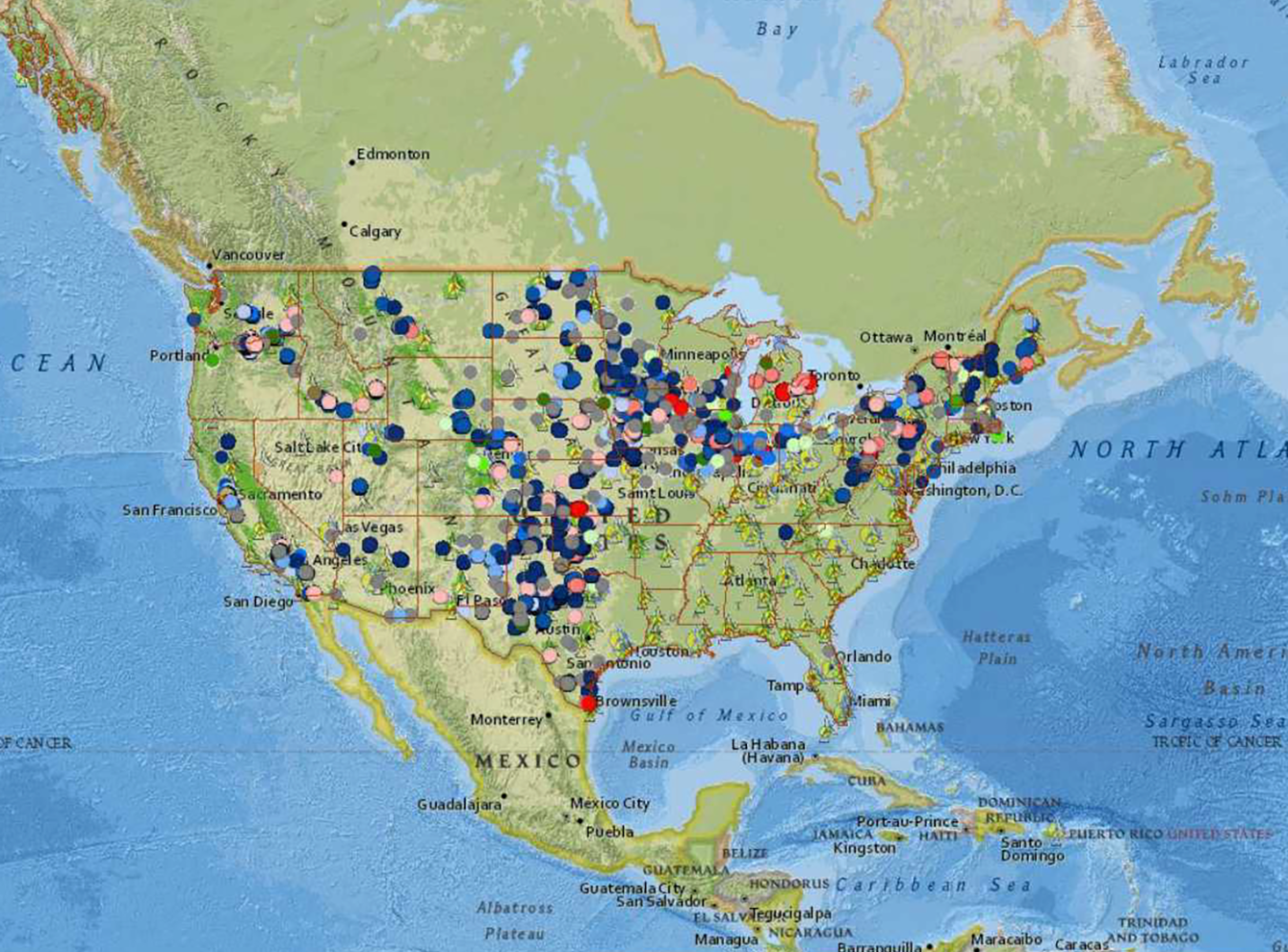
- The U.S. Wind Turbine Database provides the locations of land-based and offshore wind turbines in the United States, corresponding wind project information, and turbine technical specifications.
- The NOAA screening tool addresses the potential impacts of wind turbines on radar systems.
- The Wind Turbine Radar Interference Mitigation Modeling & Simulation Tools Catalog provides a comprehensive list of modeling and simulation tools that can be used to assist with wind project site selection and impact assessment.
Who Addresses Concerns with Wind Farms' Radar Interference?
The Wind Turbine Radar Interference Mitigation Working Group addresses conflicts between wind turbines and radar systems. Under the Federal Interagency Wind Turbine Radar Interference Strategy, the working group coordinates activities within three strategic themes, which include:
- Improving the capacity of government and industry to evaluate the impacts of existing and planned wind energy installations on sensitive radar systems.
- Developing and facilitating the deployment of hardware and software mitigation measures to increase the resilience of existing radar systems to wind turbines.
- Encouraging the development of next-generation radar systems that are resistant to wind turbine radar interference.
Sign up to receive updates about WINDExchange and other topics from the Integrated Energy Systems Office.
Related Topics
-
-
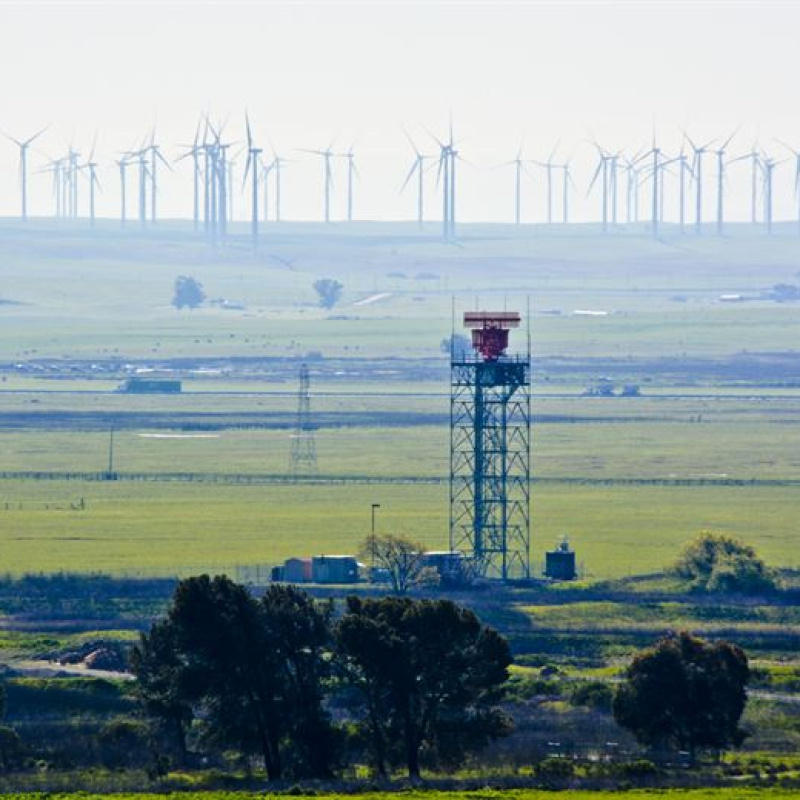 A new R&D webpage highlights work addressing the potential impacts operating wind turbines have on defense and civilian radar systems.