



Why Go Solar?
Solar owners can reduce their energy bills with savings that will accrue for the lifetime of the system. Community solar can provide savings for those who rent their homes or whose roofs aren’t suitable for solar panels.
The solar industry—from manufacturing to installation and maintenance—can get more people into careers in clean energy, launch small businesses, and contribute to growing local economies.
Having solar panels can give you the freedom to disconnect from the grid, and if combined with storage or microgrids—localized grids that can operate autonomously—it can help whole communities prevent service disruptions and rapidly restore electricity if the grid goes down.
Owning your solar system is a cost-effective option for millions of Americans, and new models for financing and community solar programs will enable households and communities that lack access to solar electricity to choose their energy future. DOE is also helping to standardize how solar electricity is interconnected to the power grid at the grid edge between the consumer and the utility.
Adopting renewable energy helps to improve air and water quality and helps the country reduce greenhouse gas emissions that exacerbate climate change.
Advancing Solar Energy Technologies
DOE partners with national labs to develop innovations that lower the costs of solar energy. Using world-class facilities, researchers address complex questions about the performance and cost of solar energy technologies, translating basic science to innovation.
Researchers across disciplines can apply for funding to support innovative projects that advance solar solutions and deliver the solar energy to businesses and consumers via the grid. Learn more about current and past SETO funding programs and other funding mechanisms like prizes and challenges and partnership intermediary agreements.
Solar Energy Success Stories
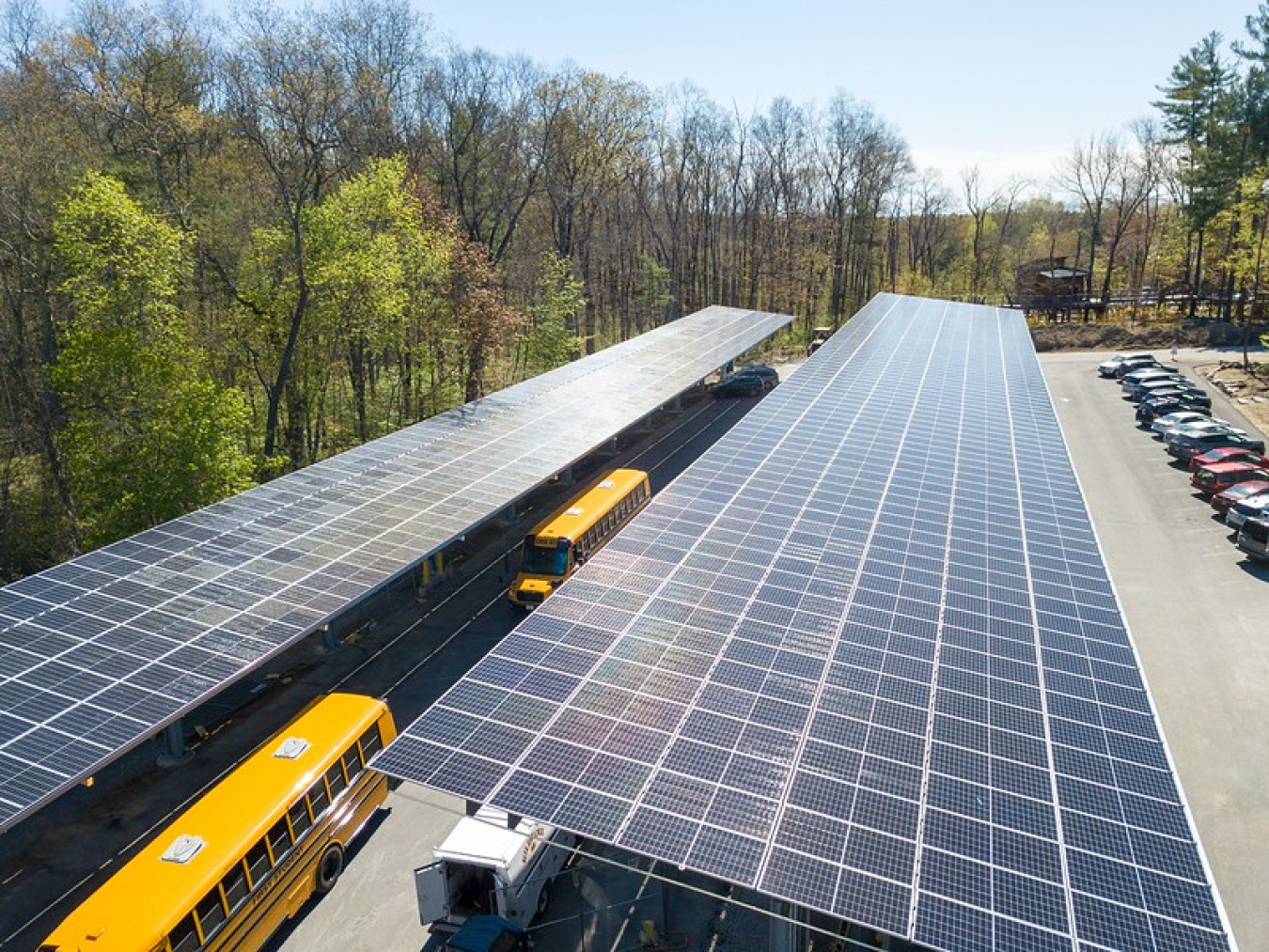
DOE plays a crucial role in the growth of U.S. solar energy, partnering with hundreds of private companies, utilities, universities, federal agencies, state and local governments, nonprofit organizations, and national laboratories to fund cooperative research, development, demonstration, and deployment projects that drive down the cost of solar electricity.
Highlights
-
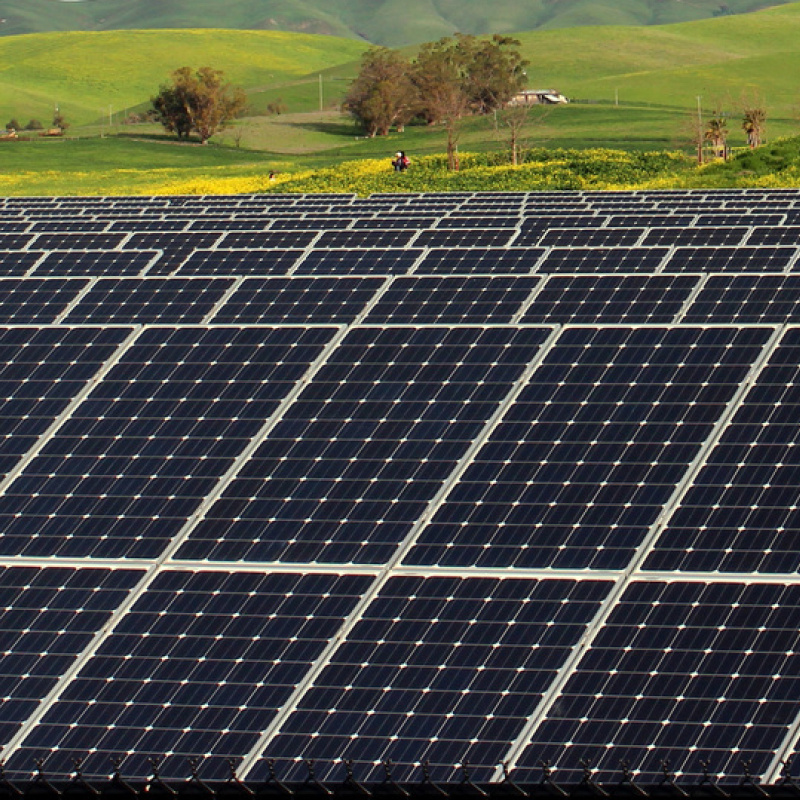 Learn the basics of solar energy technology including solar radiation, photovoltaics, and concentrating solar-thermal power.May 5, 2026
 -
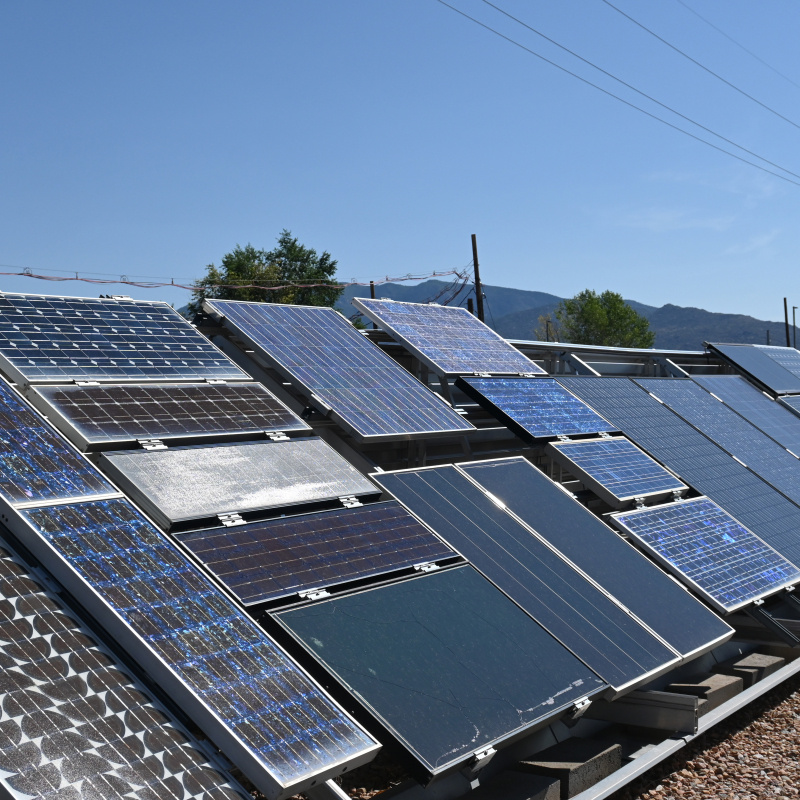 The U.S. Department of Energy Integrated Energy Systems Office supports solar energy research and development efforts in six main research areas.]August 25, 2026
 -
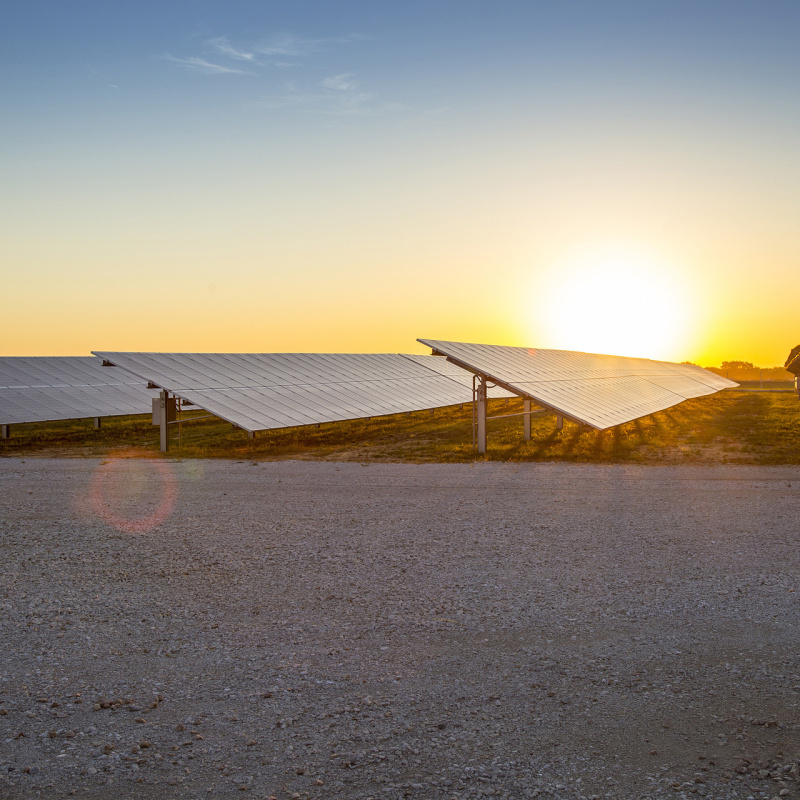 Online resources to help solar energy customers and professionals.May 12, 2026
Press Releases
From Our Blogs
-
October 7, 2026
-
October 6, 2026
-
October 6, 2026