



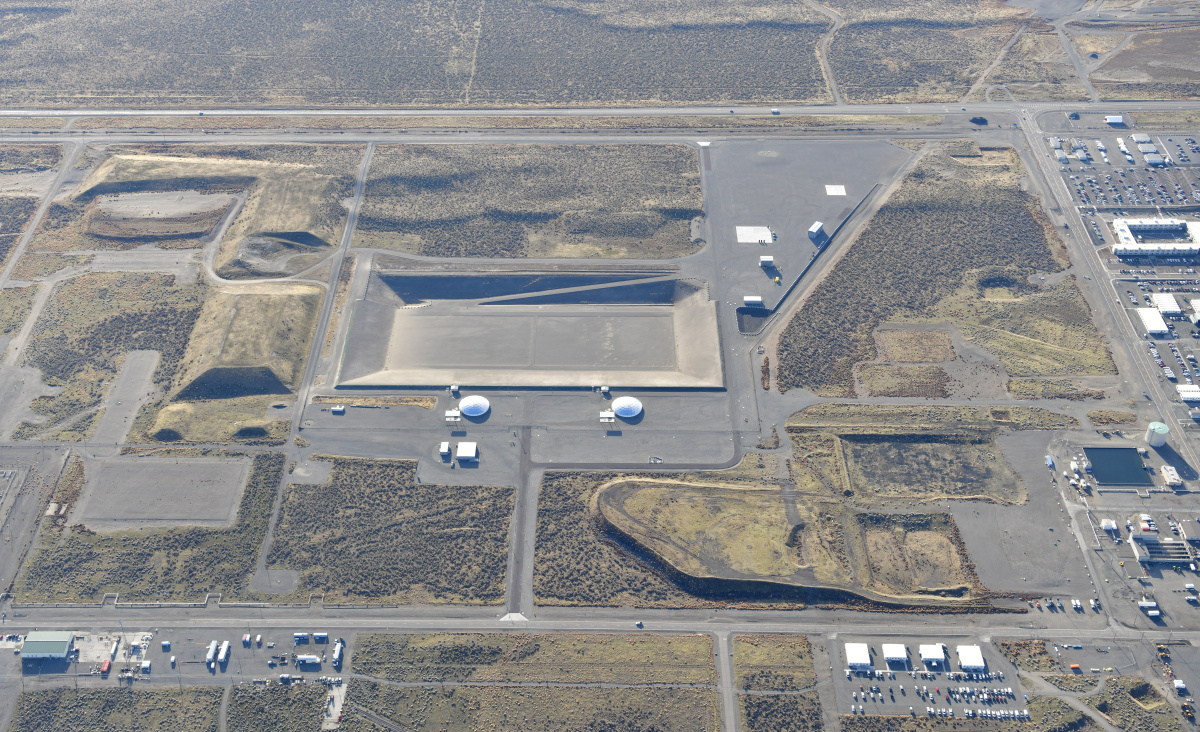
The Hanford site, a 580-square-mile section of semi-arid desert in southeast Washington, was established in 1943 as part of the Manhattan Project to produce plutonium for national defense. Hanford produced nearly two-thirds of the plutonium used in the US nuclear weapons stockpile, including materials for the Trinity Test and atomic bombs used to help end World War II.
Hanford Photo Gallery
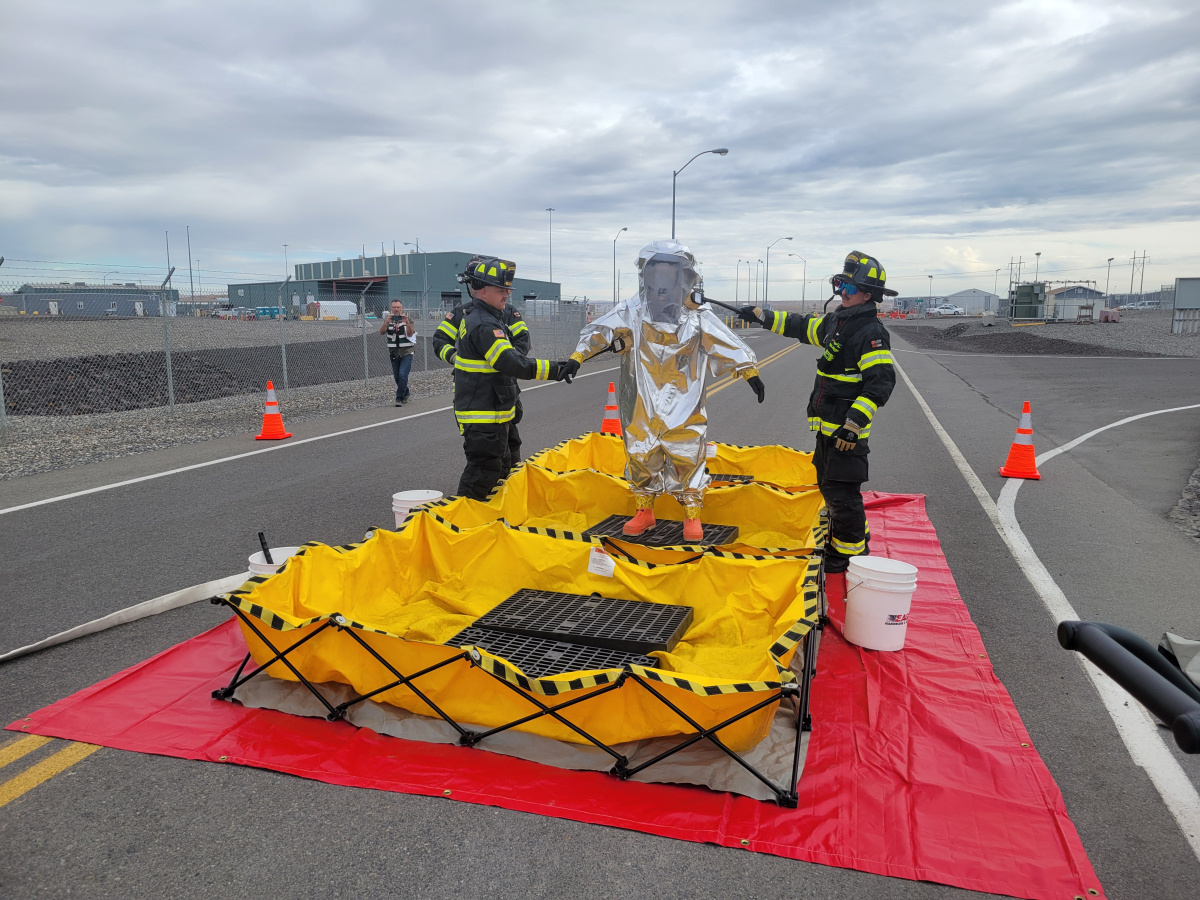
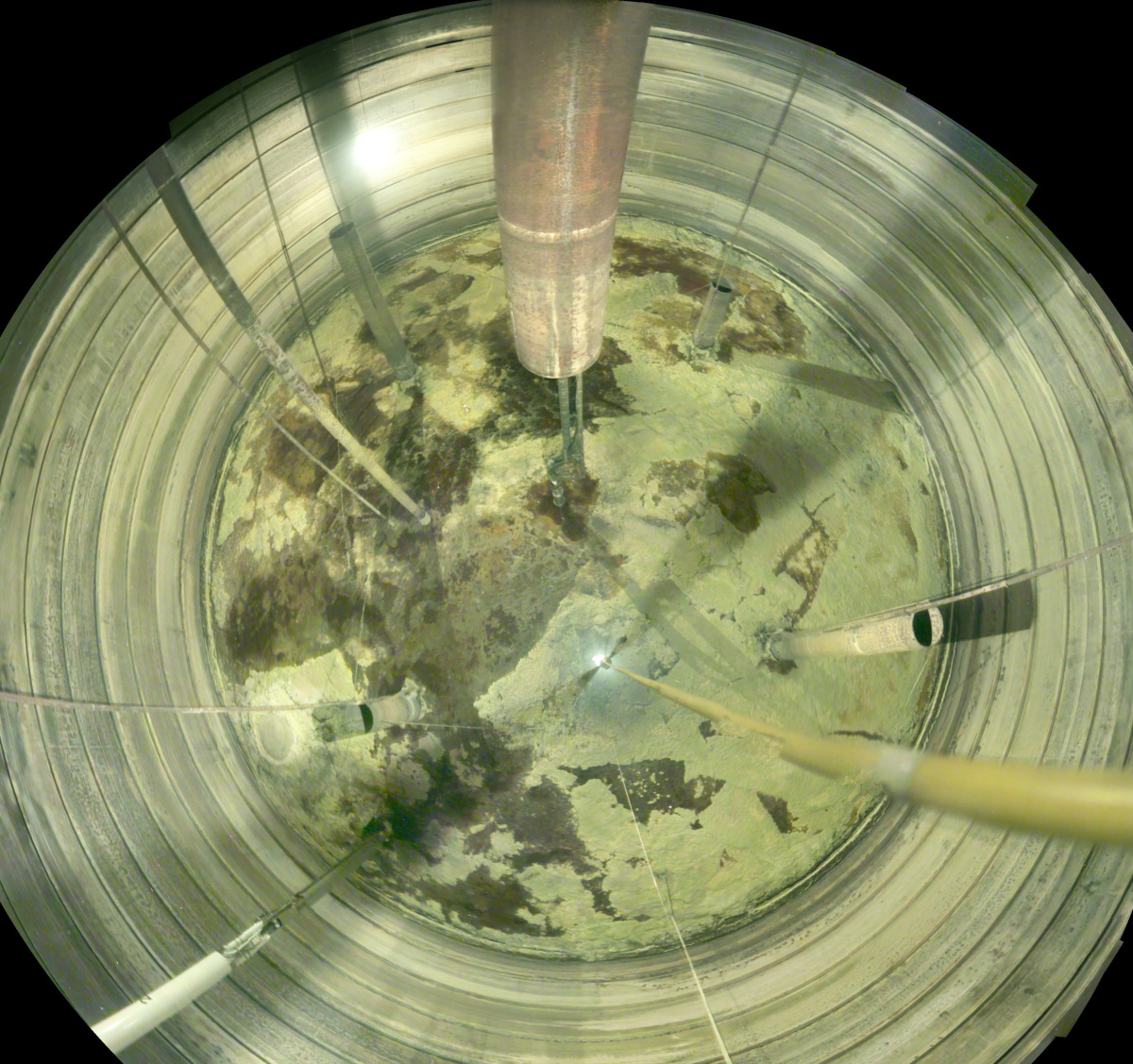
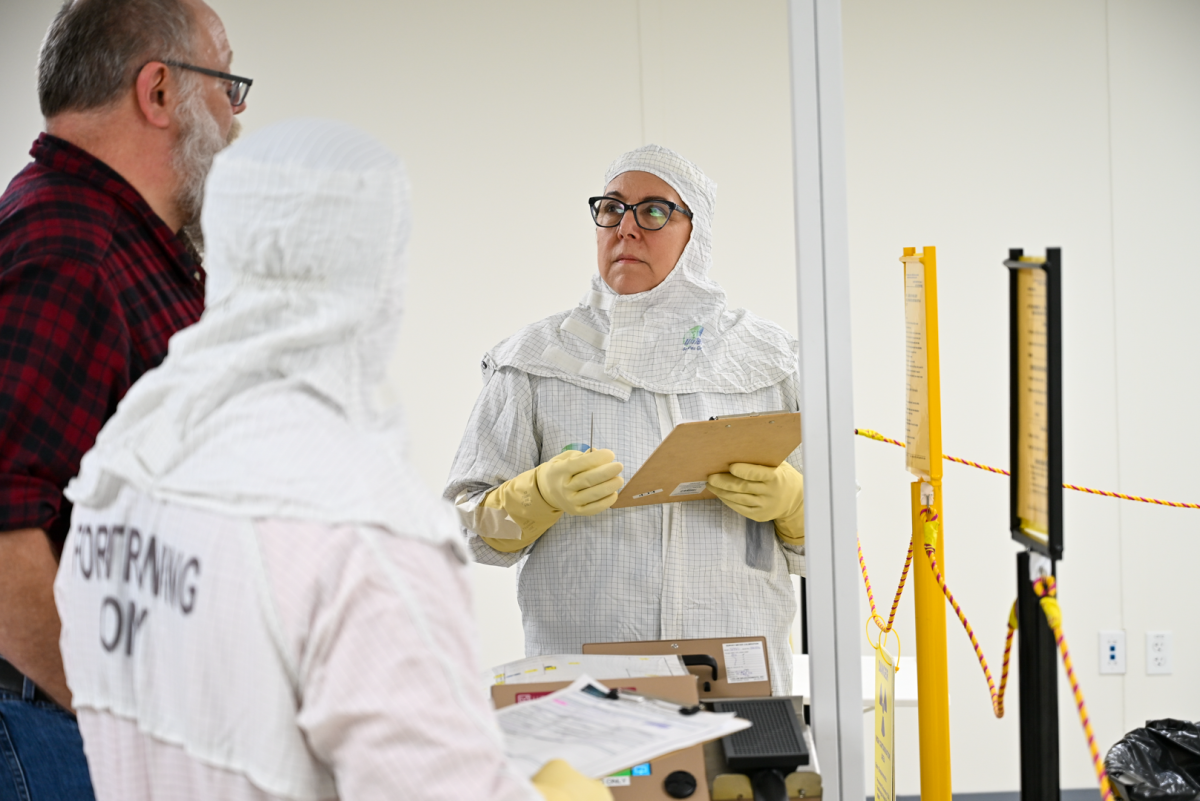
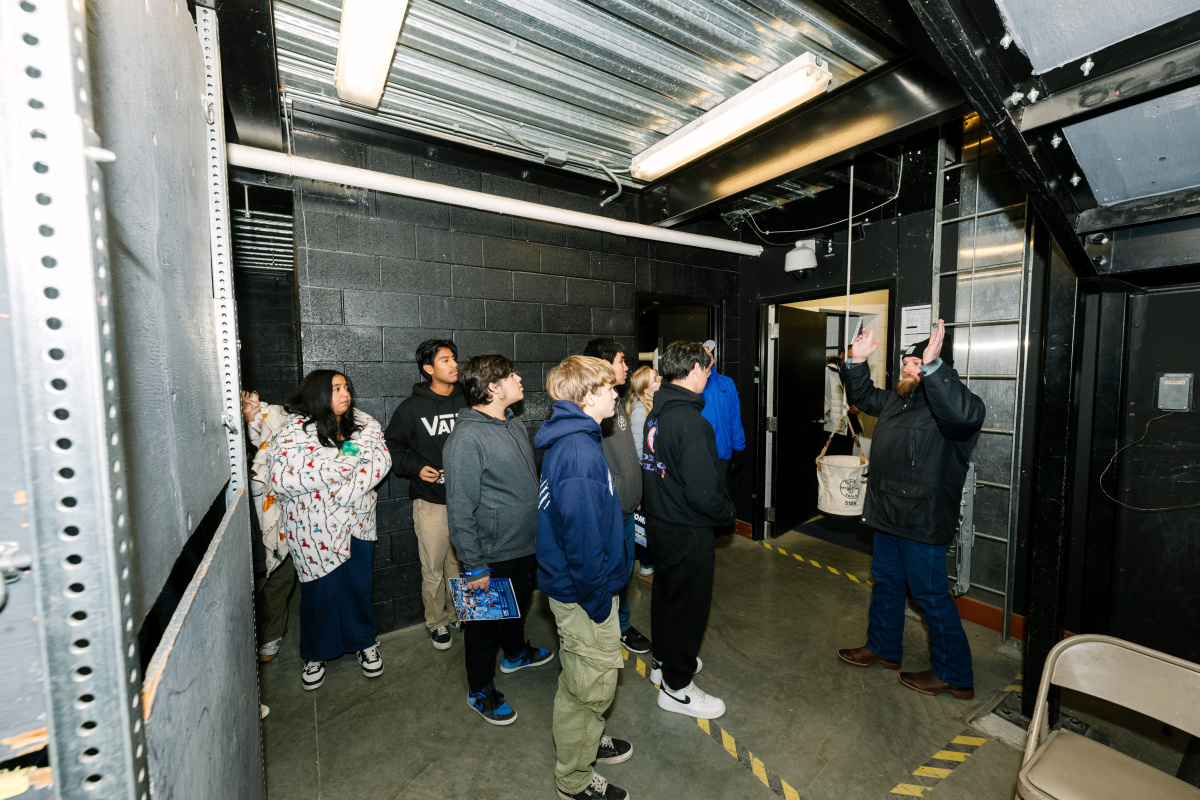
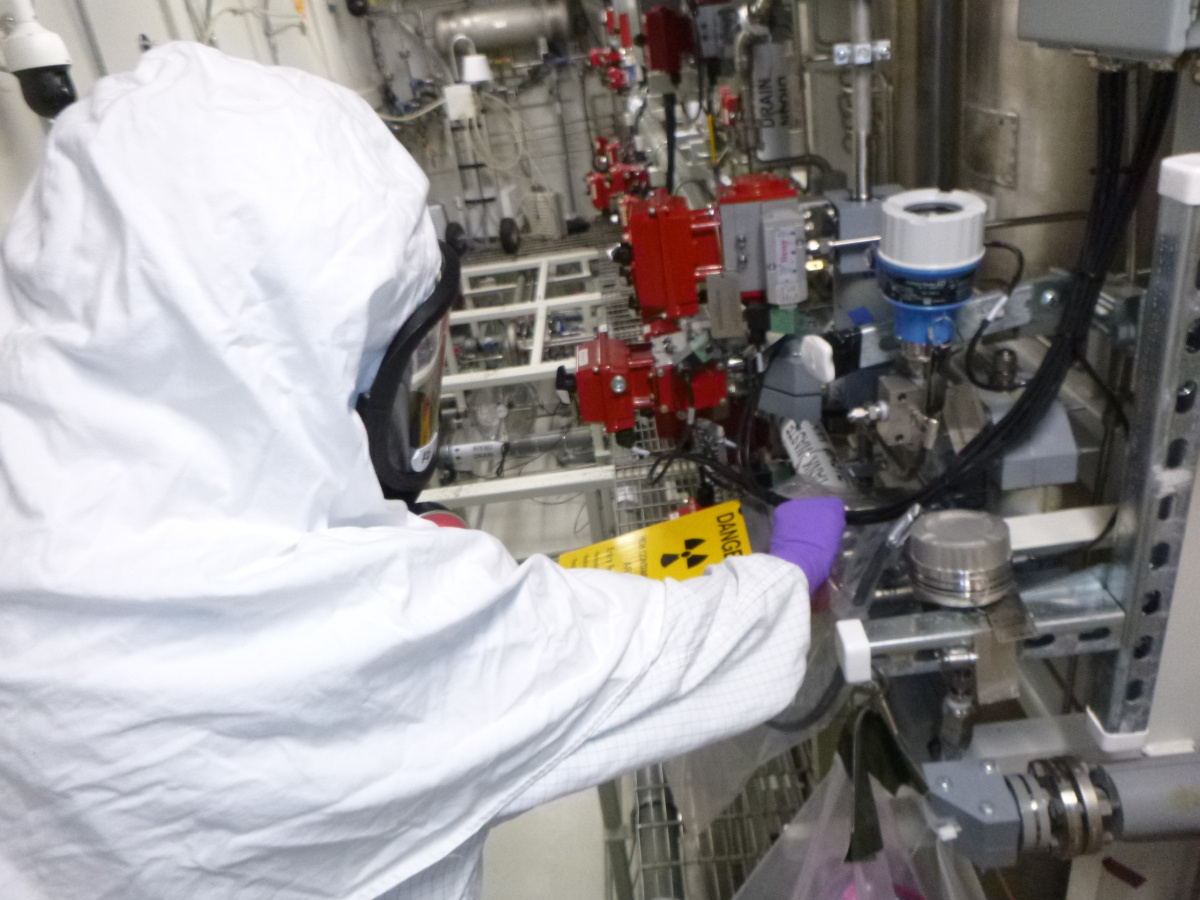
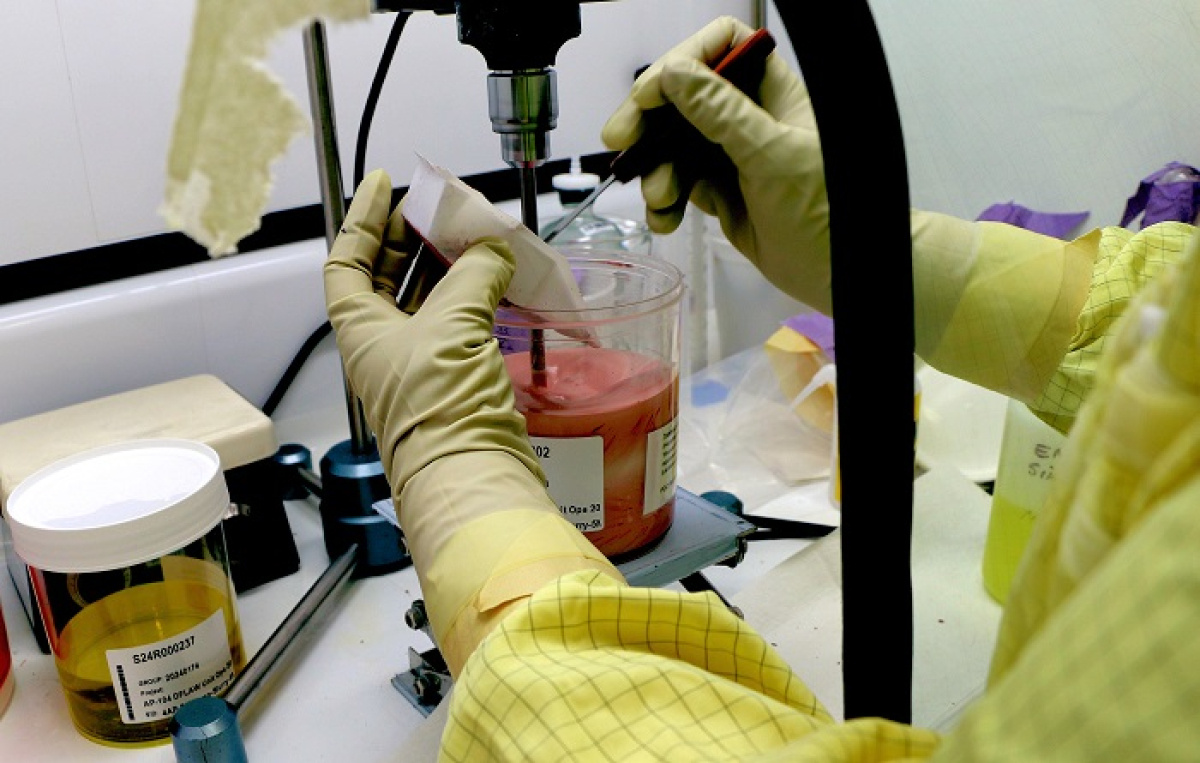
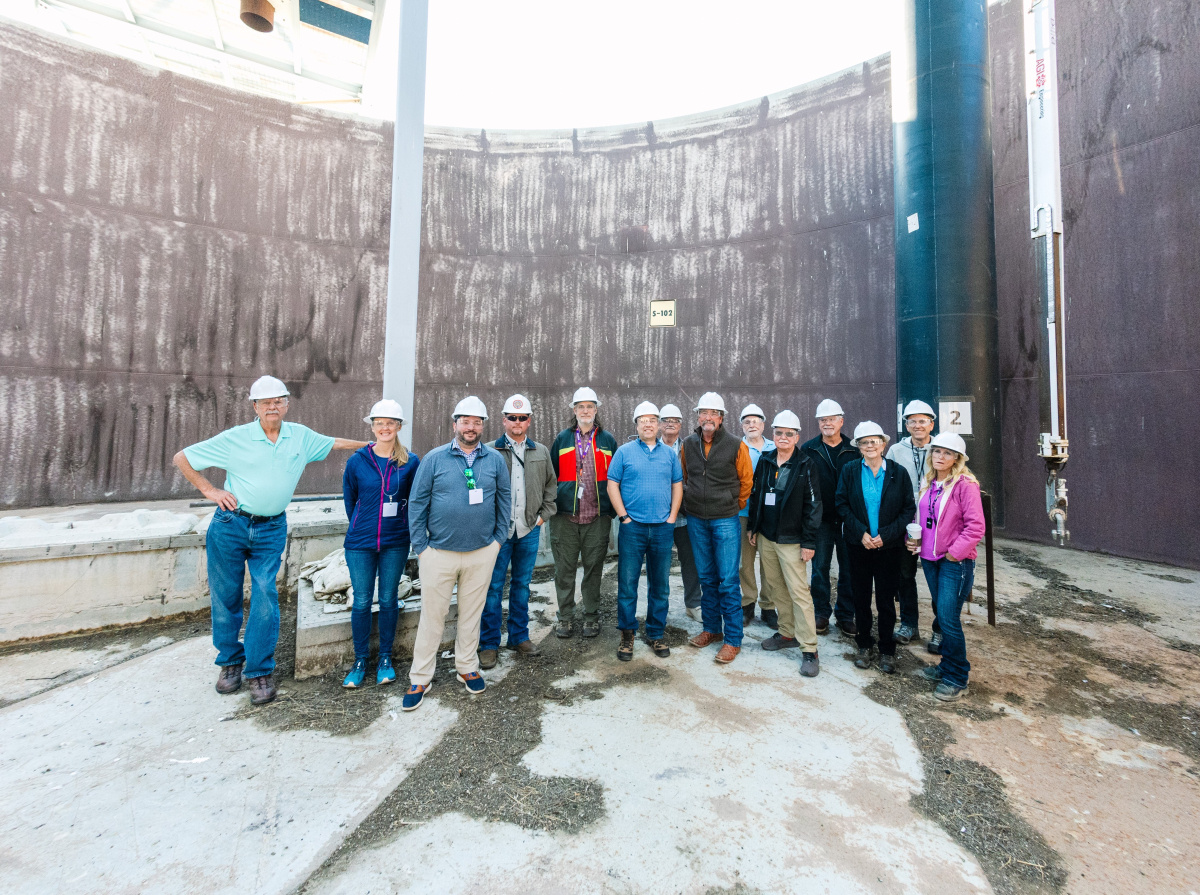
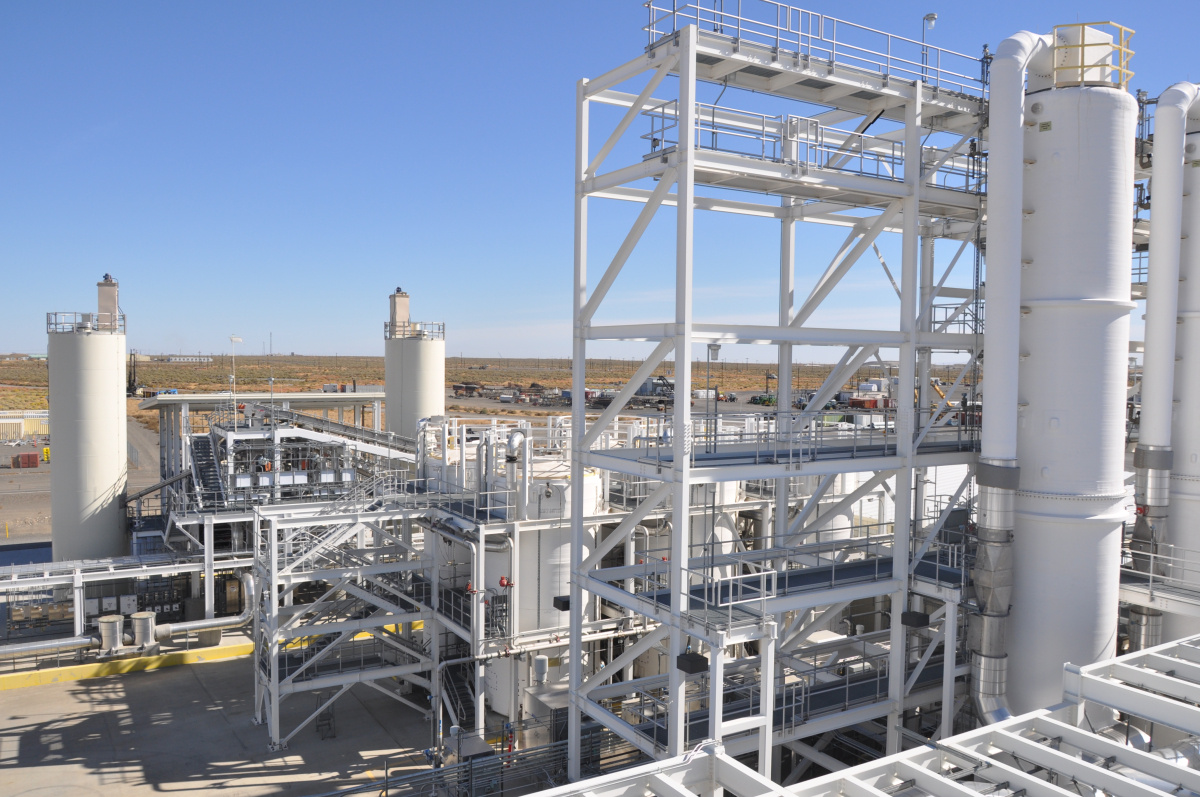
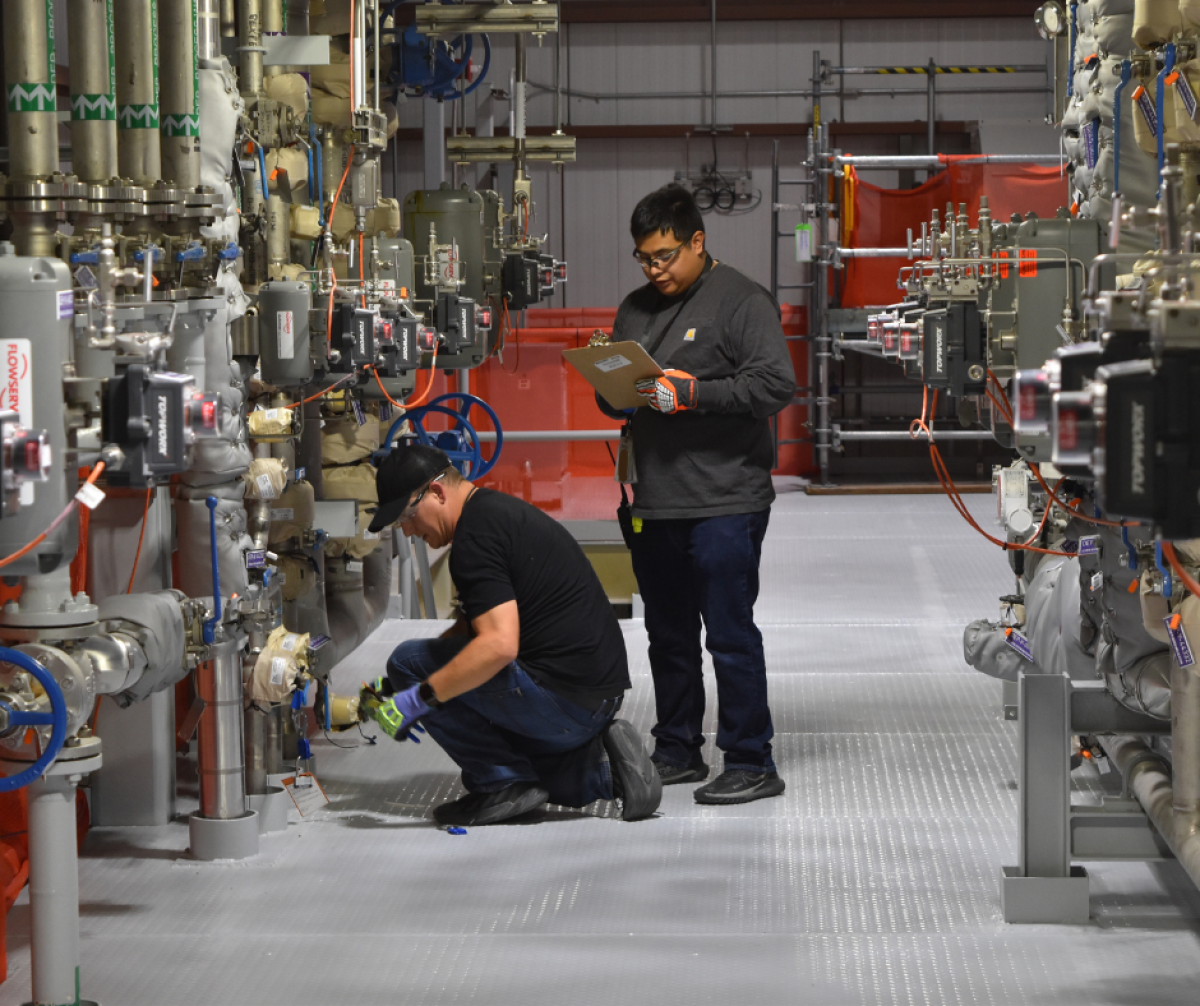
Hanford Site firefighters are training on emergency response at the Waste Treatment and Immobilization Plant as part of their readiness training for startup of waste treatment.
Hanford News
-
First Senate-confirmed EM leader in more than six years drives record results, launches bold vision for nuclear renaissanceOctober 20, 2026
-
Crews led by U.S. Department of Energy contractor Central Plateau Cleanup Company have safely isolated and stabilized contaminated gloveboxes at the Waste Receiving and Processing facility, a key risk-reduction project on the Hanford Site.October 13, 2026
-
The U.S. Department of Energy’s Office of Environmental Management University Programs are building a workforce pipeline to help complete the legacy nuclear cleanup mission.October 6, 2026
-
Interns at the Hanford Site helped improve how contract reviews are assigned, creating a tool that saves time, reduces errors and makes the process more consistent.October 6, 2026

Manager

Ray Geimer is the manager of the DOE Hanford Field Office. In this capacity, Geimer is responsible for an overall annual budget of $3 billion, and oversight of the contractors and more than 13,000 employees involved in cleanup of the 580-square-mile Hanford site. In his role as manager, Geimer is responsible for the safe and environmentally acceptable cleanup of the site, including groundwater remediation; hazardous waste and facilities decontamination and disposal operations; treatment and disposal of radioactive chemical liquid waste; and the design, construction and commissioning of the world’s largest complex of nuclear vitrification facilities, the Waste Treatment and Immobilization Plant.
Click here for full his full biography.
| Office | FY25 Request (in the millions) | FY25 Enacted (in the millions) | FY26 Request (in the millions) | FY26 Enacted (in the millions) | FY27 Request (in the millions) |
|---|---|---|---|---|---|
| Office of River Protection | $2,001 | $1,937 | $2,100 | $2,173 | $1,945 |
| Richland Operations | $1,107 | $1,134 | $971 | $1,175 | $1,009 |
For more information on the Office of Environmental Management's budget process and performance check out the Budget page.