



Preventive maintenance may not always be top of mind for your car or lawn mower at home, but it is essential when managing the Hanford Site. June 2, 2026
Office of Environmental Management
June 2, 2026 Estimated Read Time min
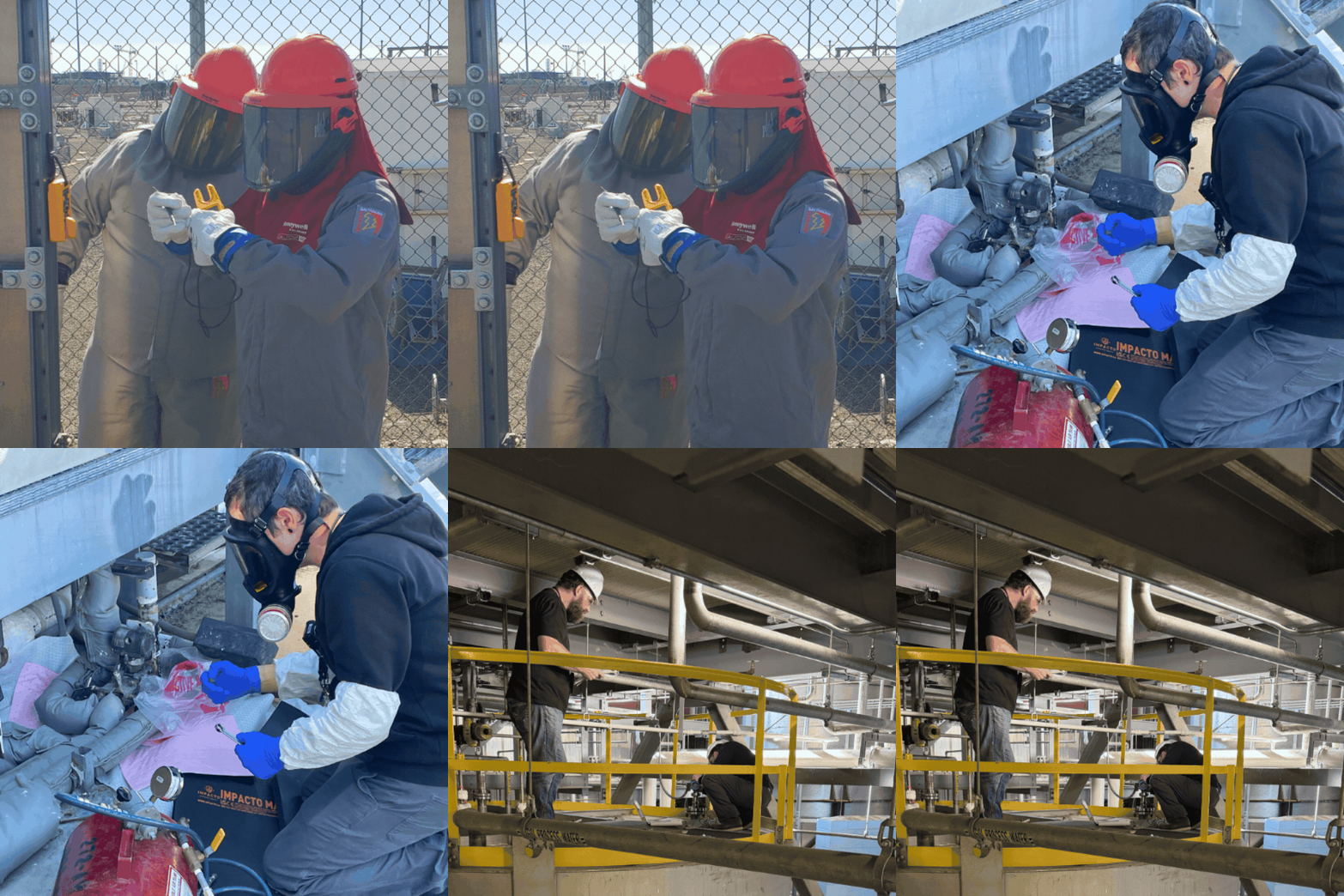
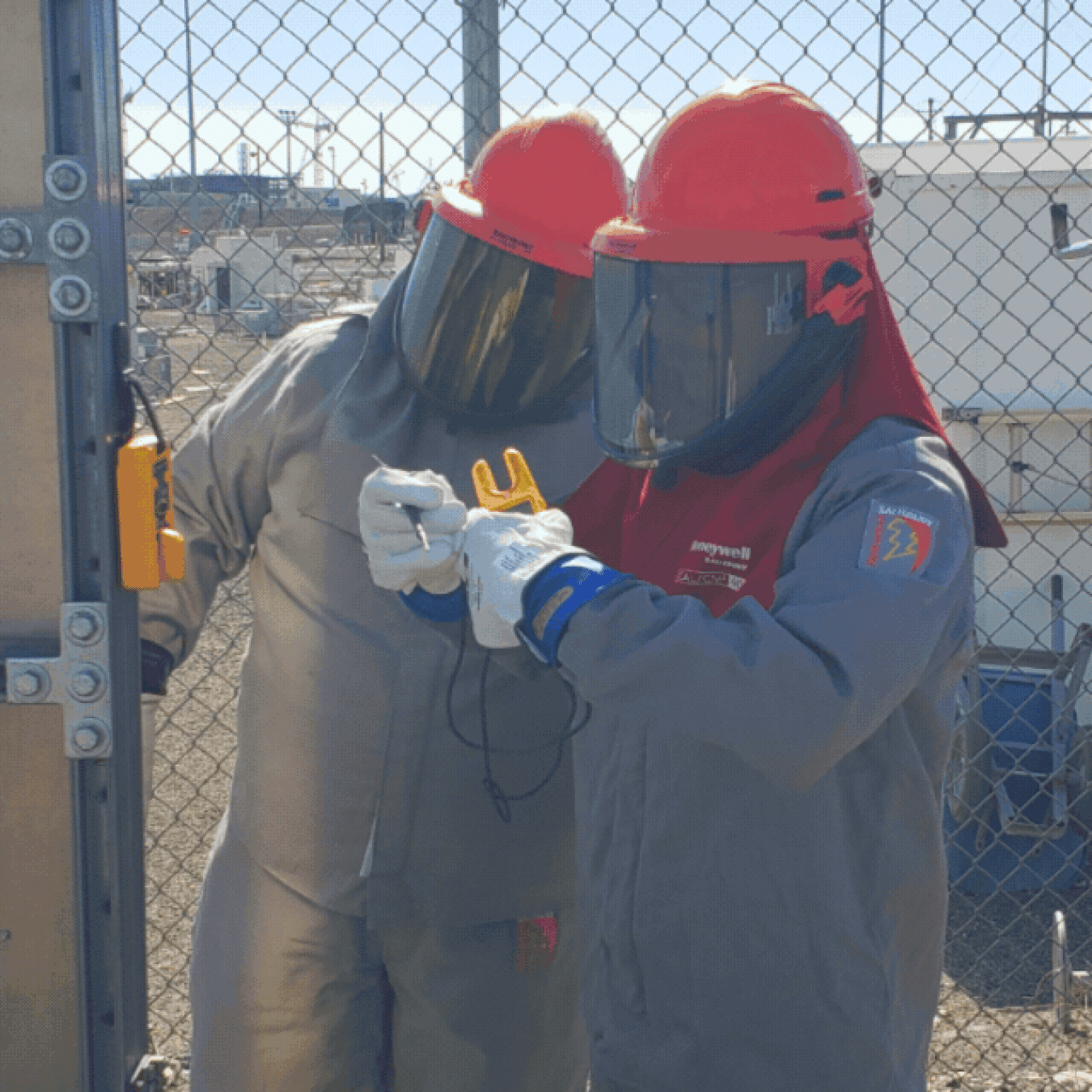
Preventive maintenance includes a variety of work activities like instrument calibration, equipment cleaning, inspections and part replacement.
RICHLAND, Wash. — Preventive maintenance may not always be top of mind for your car or lawn mower at home, but it is essential when managing the Hanford Site.
Regular equipment calibrations, inspections, part replacement, and cleaning are critical in helping prevent unexpected failures, reduce repair costs, and extend the lifespan of equipment needed for the safe and reliable operations and management of 56 million gallons of radioactive and chemical waste.
Having zero preventative maintenance delinquencies is the goal, and U.S. Department of Energy contractor Hanford Tank Waste Operations & Closure (H2C) sustained zero such delinquencies across the Hanford Tank Farms over two months recently. Tank farms are groups of underground tanks used to store decades-old legacy waste.
“Hanford’s tank farms are fairly complex and unique,” said Mat Irwin, assistant manager for Tank Waste Operations. “This achievement reflects a renewed focus on reliability, accountability and mission readiness, particularly as we continue historic cleanup progress with the Direct-Feed Low-Activity Waste Program.”
Things like system outages, procurement delays and changes in project priorities can all delay preventive maintenance tasks. Staying ahead of them takes significant planning and collaboration between different functional groups.
“In situations like that, it is about evaluating risks and taking appropriate action,” said Mike Hay, H2C Maintenance & Work Management director. “We host regular meetings that include planners, supervisors, and specialists from operations, engineering, environmental, radiological control, and maintenance organizations.”
Those diverse perspectives are necessary to coordinate preventive maintenance with field operations in the farms, including large-scale projects that require outside support from other Hanford contractors.
This strong focus on maintenance helps keep the Hanford Site safe and ensures cleanup work can move forward.
To receive the latest news and updates about the Office of Environmental Management, submit your e-mail address.