



RSS
Below are stories about resource assessment and characterization featured by the U.S. Department of Energy (DOE) Integrated Energy Systems Office.
Subscribe to the IESO E-Newsletter
Subscribe to the IESO e-newsletter to stay informed on the latest wind energy news, events, publications, and updates.
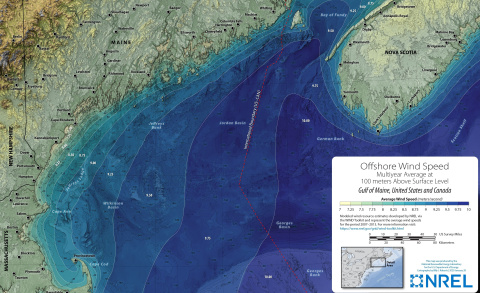
Maps provide easy-to-understand snapshots of wind resources.
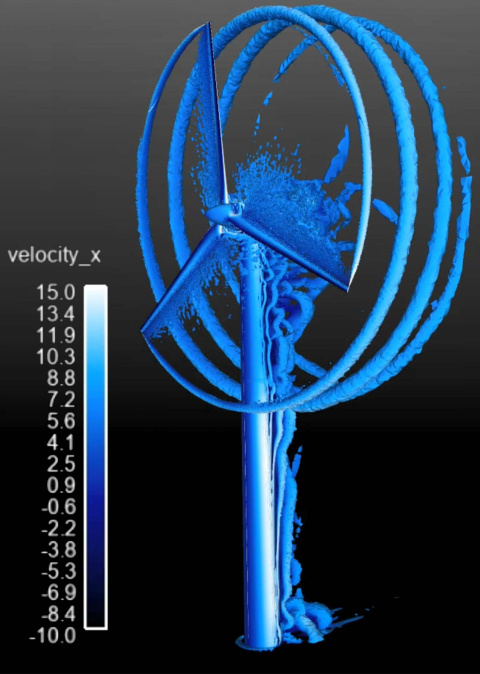
Suite of open-source, HPC-powered physics codes allows engineers to do everything but collect their mail inside a virtual wind power plant.
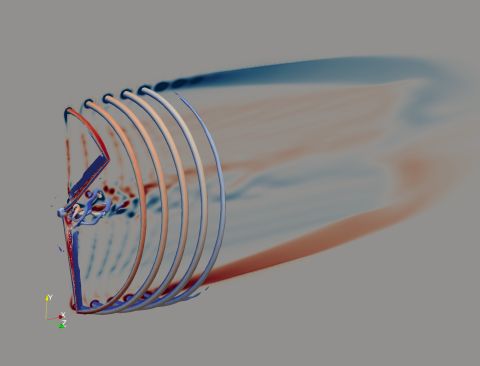
First-ever simulation could lead to vital understanding of wind power plant performance.
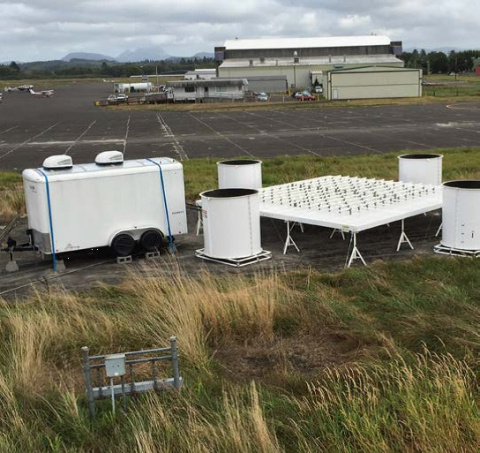
$1.3-million upgrade extends lidar reach and data recovery rate; provides more accessible information.
Accurate modeling of interactions between turbines, turbulence, and wakes indicates potential for lower wind plant costs and improved efficiency.
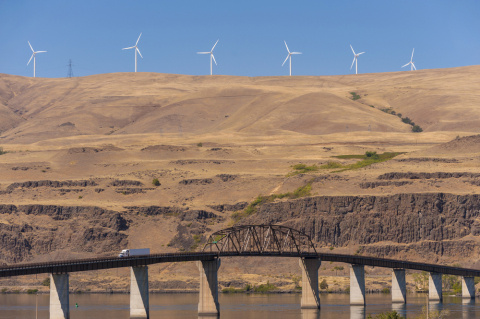
To improve wind forecast accuracy, WETO funded the second Wind Forecast Improvement Project (WFIP2).
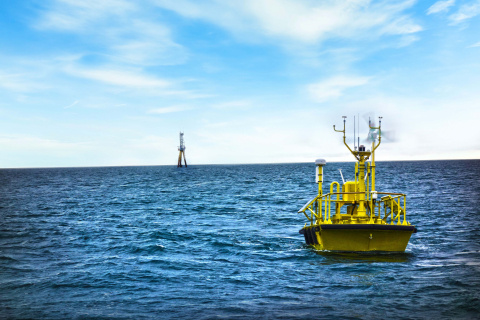
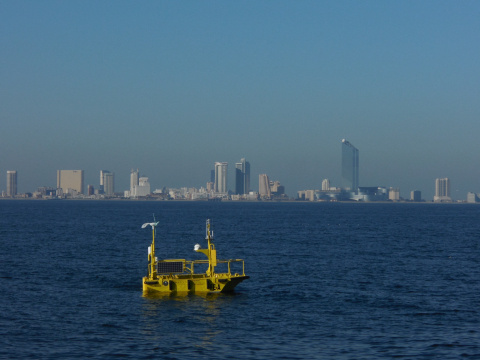
WETO commissioned Pacific Northwest National Laboratory to deploy two research buoys off the New Jersey and Virginia coasts.
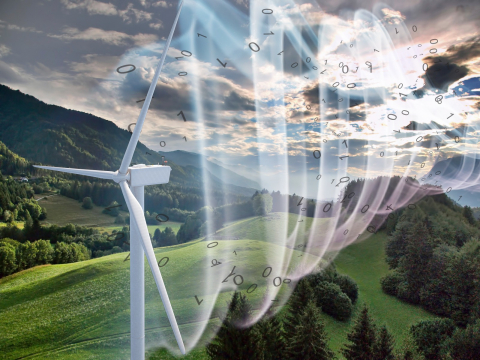
As the contribution of wind energy to U.S. electricity generation grows, so does the importance of accurate forecasts for wind power production.
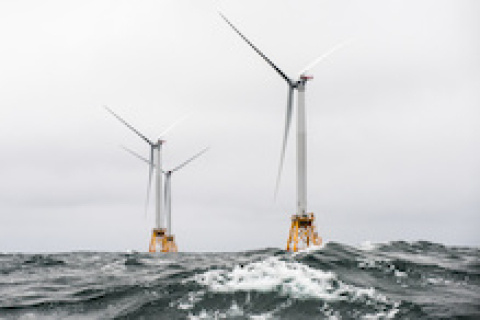
Offshore wind turbines on the Atlantic coast (as well as the Gulf Mexico) have several challenges to contend with—including hurricanes.