



RSS

Below are stories about resource assessment and characterization featured by the U.S. Department of Energy (DOE) Integrated Energy Systems Office.
Subscribe to the IESO E-Newsletter
Subscribe to the IESO e-newsletter to stay informed on the latest wind energy news, events, publications, and updates.
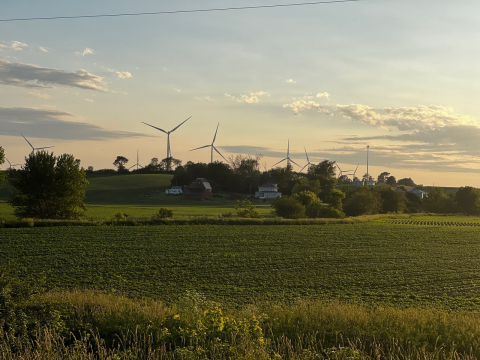
The Wind Resource Database is an online tool that captures information about atmospheric forces that affect how wind turbines perform and how much energy they capture.
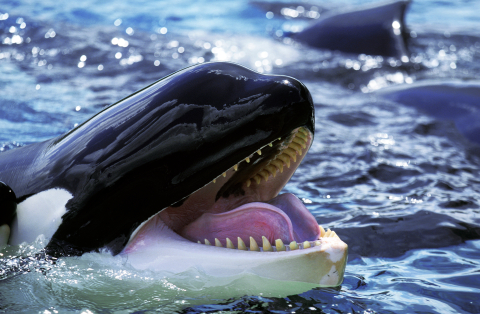
DOE and the National Oceanic and Atmospheric Administration launched an 18-month initiative to gather extensive weather, ocean, and wildlife data near the sites of active offshore wind farms and lease areas off the coast of the northeast U.S.
DOE is taking applications for the Fiscal Year 2024 Core Laboratory Infrastructure for Market Readiness Lab Call.
The Renewable Energy Potential model can help identify optimal regions for wind plants based on factors like wind resources, land use, topography, and community preferences. It has revealed pathways to Puerto Rico’s renewable energy goals.
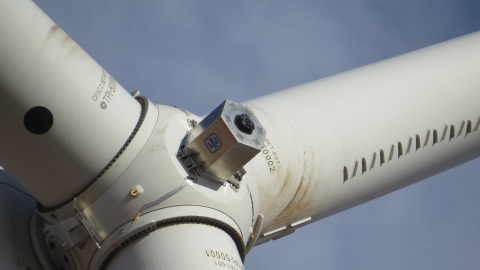
A WETO-funded partnership between General Electric, Sandia National Laboratories, and the National Renewable Energy Laboratory is enhancing data collection efforts to improve the accuracy of wind industry simulation tools.
Regional wind data from around the U.S. helps improve a national weather forecasting model, which allows utility companies to better plan for windy days.
A multiyear project advanced understanding of environmental effects, identified existing information gaps, and described future environmental research efforts needed to responsibly develop offshore wind energy projects in U.S. waters.
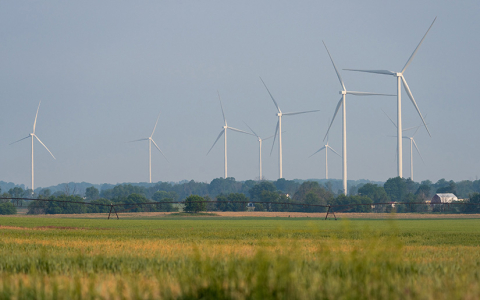
In this new article, learn about the types of zoning ordinances in effect and how they could change the amount of available land over time.
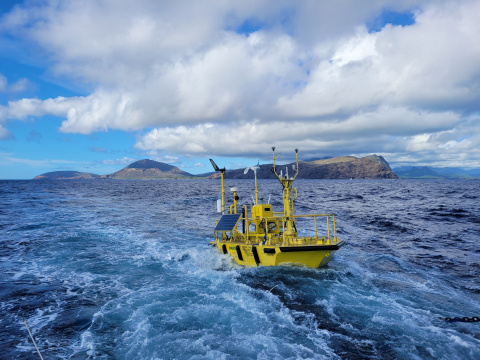
WETO and the Bureau of Ocean Energy Management’s floating scientific research buoy is stationed in Hawai'i to collect offshore wind resource, meteorological, and oceanographic data that can be used to compare wind model predictions with actual data.
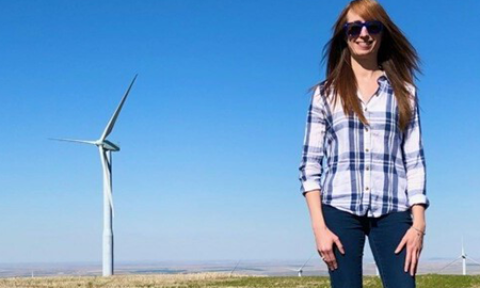
A Pacific Northwest National Laboratory researcher shares her thoughts on the evolving potential of wind energy and how future scientists can get involved.