



RSS
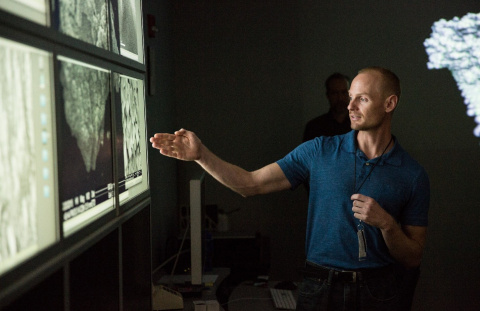

Bioprose Blog: National Renewable Energy Laboratory (NREL) researchers can accurately predict reaction rates and optimal conditions for making biofuels. Their secret? Complex math to sketch the intricate chemistry and physics that drive catalytic fast...
Bioprose Blog: There’s no driving around it: most vehicles on the road today are still powered by gasoline and diesel fuels that create emissions.
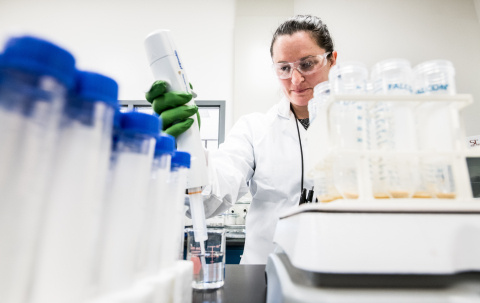
Bioprose Blog: NREL offers a simple procedure for a complex analytical problem that could help biorefineries expand production of low-carbon cellulosic ethanol
Watch the video covering Secretary Granholm's announcement of the DOE Hydrogen Energy Earthshot and her perspective on the role clean hydrogen can play to achieve a clean and equitable energy future with good-paying jobs for all Americans.
Are you an engineer or scientist passionate about clean energy technologies? HFTO is searching for enthusiastic, driven, and committed professionals to work with our fuel cell, hydrogen production, and infrastructure teams.
Join the March H2IQ Hour to learn more about how hydrogen can enable long-duration, low-cost, low-carbon energy storage technologies.
Bioprose Blog: Bioenergy Knowledge Discovery Framework website has been updated and re-designed
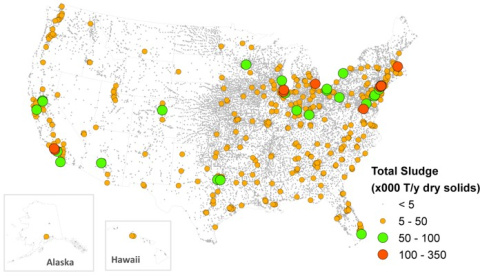
Bioprose Blog: BETO and NREL launch an organic Waste-to-Energy technical assistance program for local governments
Up to $20 million in funds will be available to demonstrate systems that produce hydrogen using nuclear energy or the heat from nuclear power plants.
Join this month’s H2IQ Hour to learn more about how the National Laboratory Network engages with Historically Black Colleges and Universities (HBCUs).