



RSS
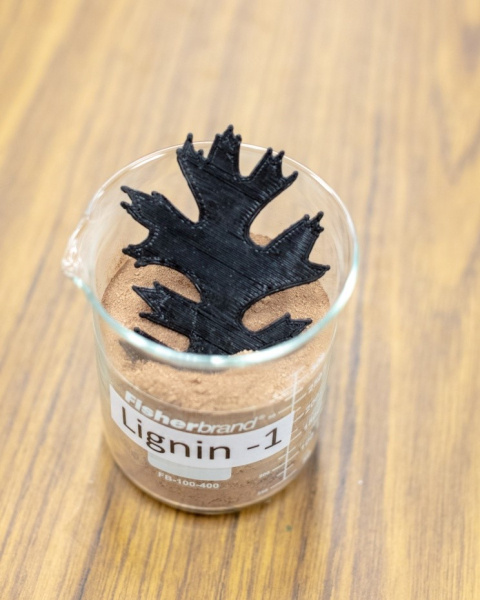



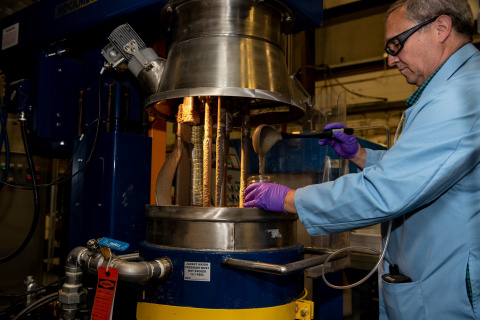
Bioprose Blog: ORNL scientists researched the complexities of lignin structure to develop new bioadvantaged materials.
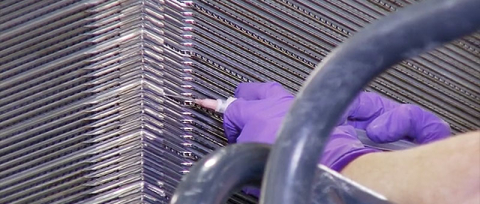
Learn how researchers and industry are leveraging hydrogen and fuel cell R&D activities to address specific needs during the COVID-19 health crisis.
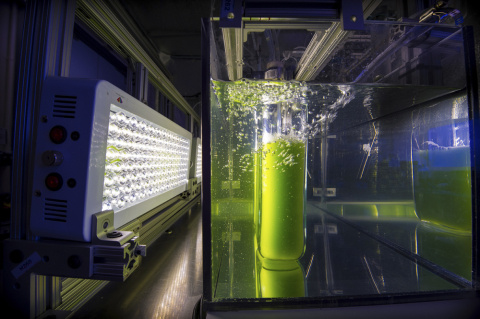
Bioprose Blog: Learn how the Algae Technology Educational Consortium leads the way toward educating the next generation of bioeconomy professionals.
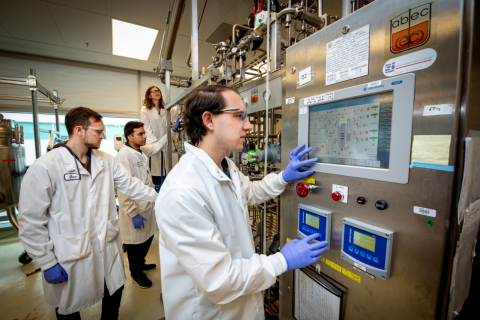
Bioprose Blog: The U.S. Department of Energy’s (DOE’s) Advanced Biofuels and Bioproducts Process Development Unit (ABPDU) at Lawrence Berkeley Nationa
Bioprose Blog: Forests—acres upon acres of fragrant trees huddled closely together, a paradise for hikers, campers, and wildlife alike.
Due to announcements from federal and state government leaders concerning COVID-19, the U.S. Department of Energy is cancelling the 2020 meeting.
The Co-Optimization of Fuels & Engines (Co-Optima) National Laboratory consortium is jointly sponsored by the Department of Energy’s Office...
Bioprose Blog: Since the dawn of the industrial age, petroleum-based chemicals and fuels have driven countless inventions and products used every day.
DOE’s EERE and Nuclear Energy Offices will host a joint webinar on hydrogen and nuclear opportunities.
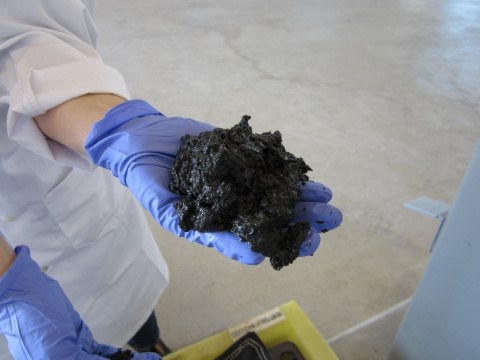
Bioprose Blog: Researchers produced 10 liters of biocrude from 200 kg of low-value, wet, plant-based feedstock.