



RSS
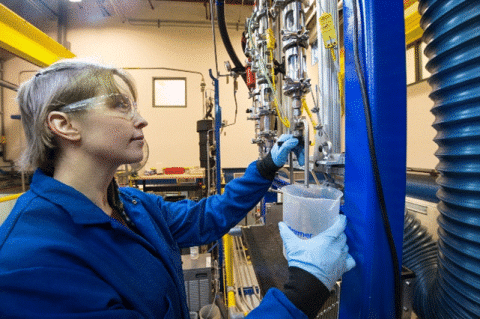


Upgrading bio-oils with petroleum feedstocks at existing refineries—known as “co-processing”—could offer a fast pathway for lowering the carbon footprint of today’s transportation fuels.
Join the H2IQ Hour on April 27 at 12 p.m. EDT to learn about how concentrated solar power can enable clean hydrogen production goals.
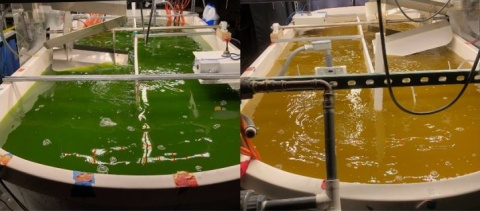
Algae are an exciting renewable feedstock for the future of fuels and products. One particularly interesting application, which the U.S. Department of Energy (DOE) Bioenergy Technologies Office (BETO) is exploring, shows the potential to turn
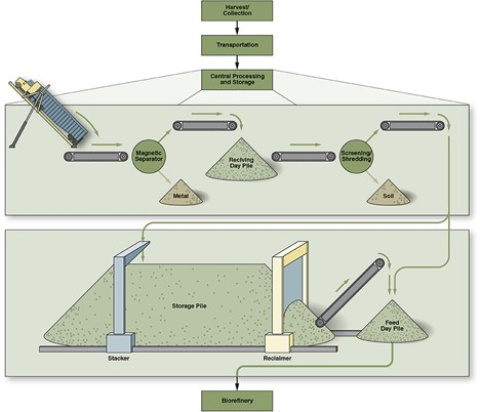
How Idaho National Laboratory's Dr. Lynn Wendt has come to understand and mitigate the detrimental impacts of biomass decay after harvest.
One of the most exciting things about bioenergy is the potential for one innovation to solve multiple problems. Last September, the U.S. secretaries of energy, transportation, and agriculture announced the Sustainable Aviation Fuel (SAF) Grand Challenge,
The Department of Energy Hydrogen and Fuel Cell Technologies Office (HFTO), in collaboration with the H2NEW consortium, are hosting a virtual High-Temperature Electrolysis Manufacturing Workshop on March 8–9, 2022.
Supported by the U.S. Department of Energy Bioenergy Technologies Office, the National Renewable Energy Laboratory is striving to bring more sustainable aviation fuel to the market.
The U.S. Department of Energy's (DOE) Hydrogen Program is hosting a virtual Bulk Storage of Gaseous Hydrogen Workshop on February 10–11, 2022.
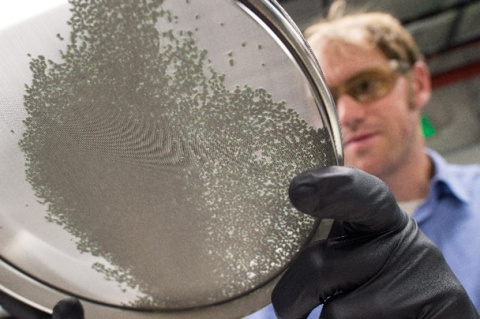
Perhaps worse than reinventing the wheel is being forced to reinvent the wheel. Unfortunately, that has been a reality for many scientists working to develop catalysts used to upgrade waste or biomass resources into climate-friendly biofuels.
DOE has awarded $13.4 million to seven projects for R&D of novel recycling processes and technologies to cut plastic waste and reduce the energy consumption and carbon emissions of single-use plastics.