



RSS
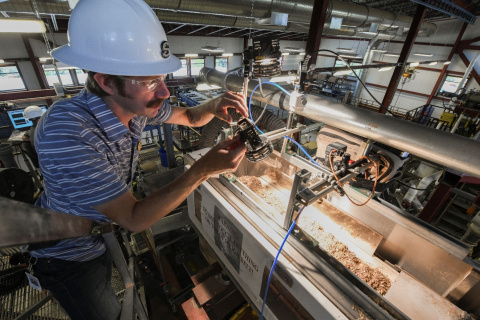

Selected projects will have the opportunity to work with FCIC partner laboratories to mobilize and deploy the knowledge, tools, models, and expertise developed by member labs.
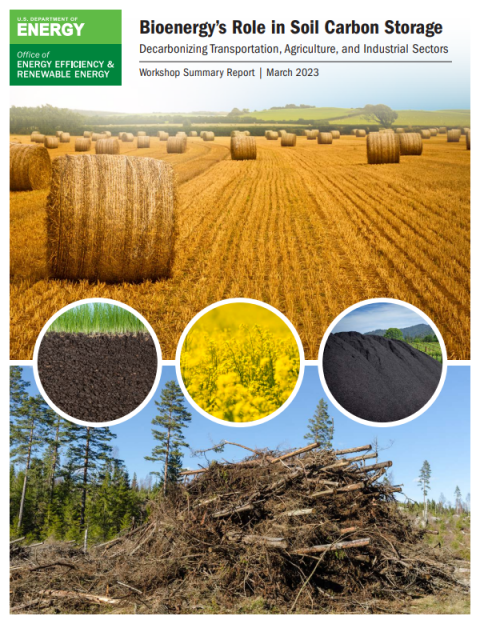
On March 28–29, 2022, the U.S. Department of Energy’s Office of Energy Efficiency and Renewable Energy Bioenergy Technologies Office (BETO) hosted a public virtual workshop to discuss soil carbon storage with a focus on the role of bioenergy.
The U.S Department of Energy’s Bioenergy Technologies Office (BETO) and the National Renewable Energy Laboratory (NREL) are launching the next phase of the organic Waste-to-Energy (WTE) Technical Assistance for Local Governments program
The U.S. Department of Energy announced $25.5 million in funding to enable the use of domestic biomass and waste resources, such as agricultural residues and algae, to produce low-carbon biofuels and bioproducts. This funding will advance...
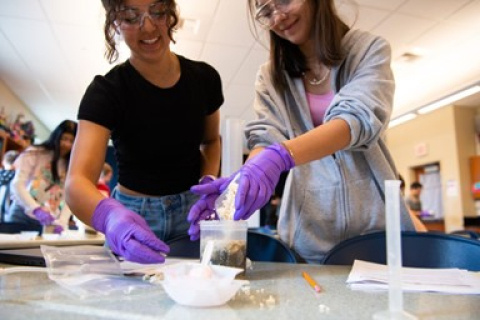
Students in science teacher Melanie Bachart’s high school bioethics course at Chiawana High School, Pasco, Washington, got the full experience of producing carbon-neutral biogas from food waste that usually winds up in landfills...
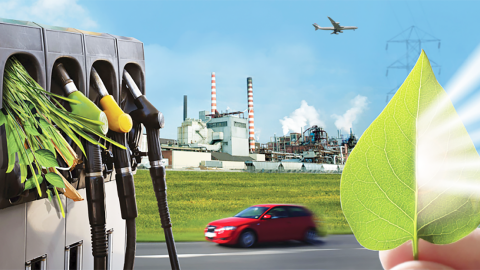
Sustainable aviation fuels are increasingly in demand, as they are comparable in performance to traditional jet fuels but reduce greenhouse gas emissions and can be made using renewable resources...
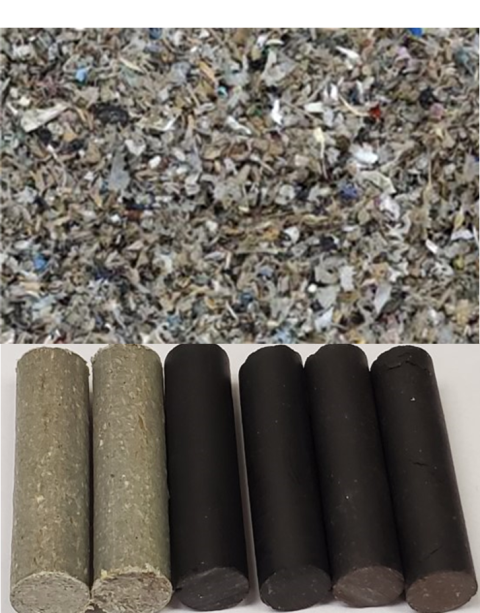
The idea of using biomass or non-recyclable materials to produce power has been around for a long time, but techniques for developing a consistent feedstock to produce a fuel that is economical compared to coal, resistant to moisture, and has no...
DOE has awarded $118 million in funding for 17 projects to accelerate the production of biofuels for America’s transportation and manufacturing needs.
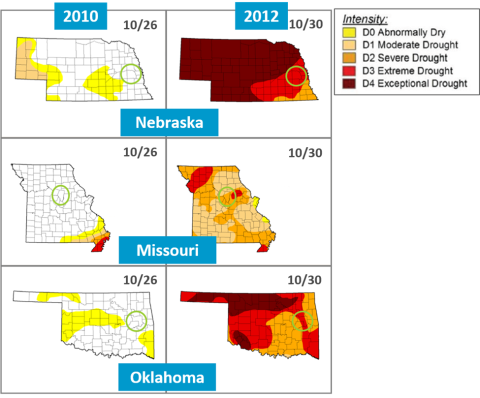
As the U.S. Department of Energy helps biorefining companies convert grasses, crop residue, and forest byproducts into alternative fuels and advanced manufacturing materials, year-to-year chemical changes caused by climate volatility have become a...
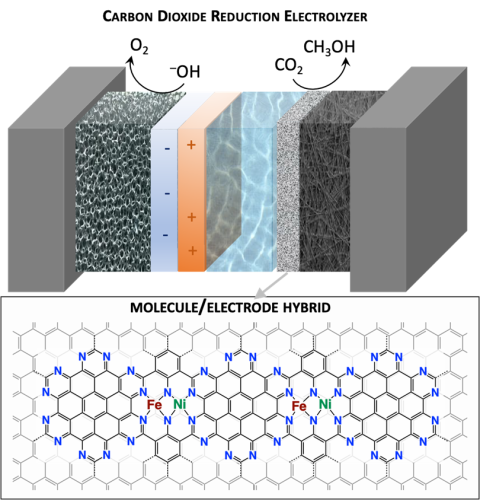
Scientists from multiple national labs are finding new ways to repurpose carbon dioxide.