



National Lab researchers ignite their entrepreneurial skills to identify potential pathways to market for their novel technologies.
Office of Technology Commercialization
April 15, 2026 Estimated Read Time min
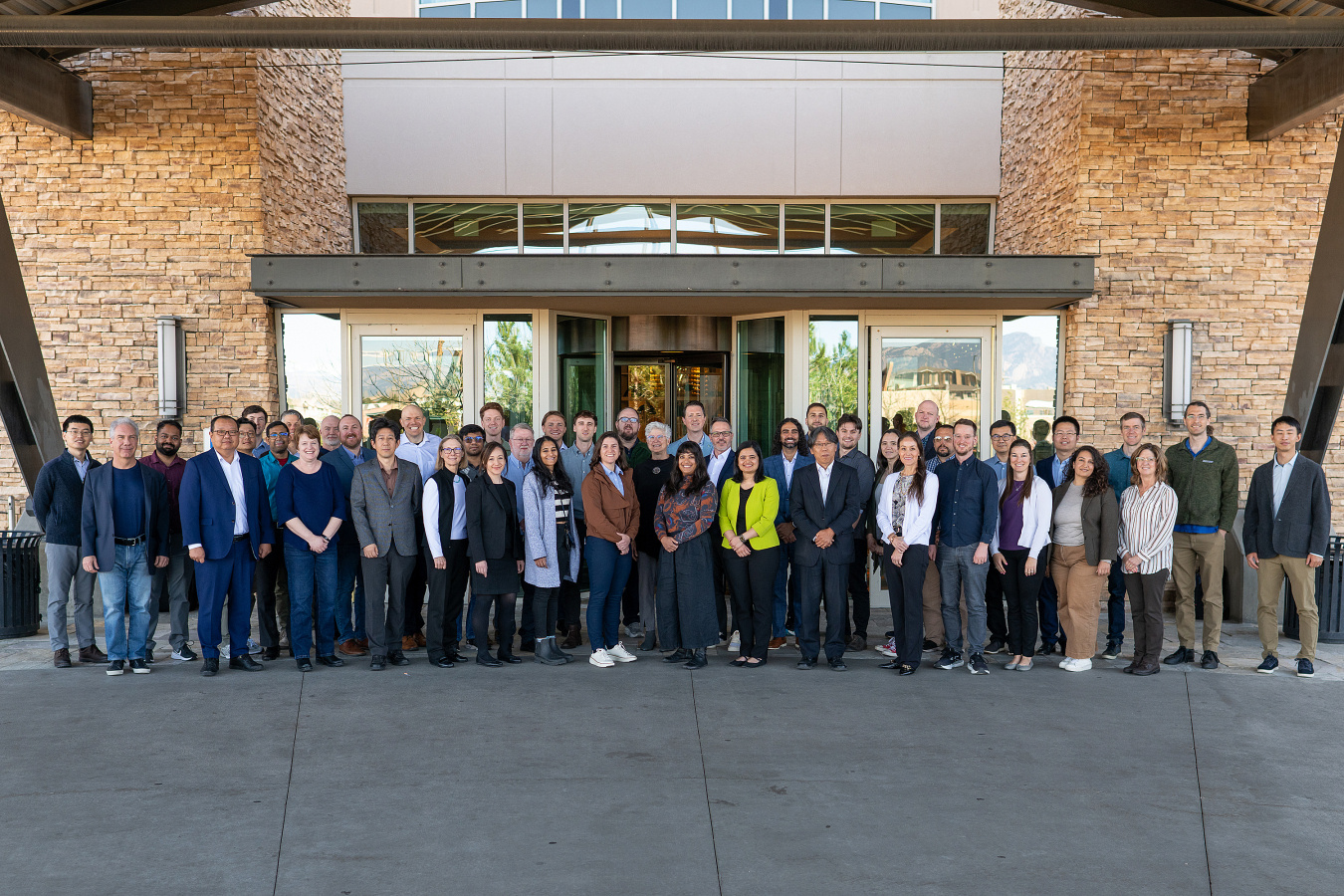
U.S. Department of Energy’s (DOE) National Laboratory researchers from across the country recently gathered in Broomfield, Colorado to kick off the 22nd cohort of Energy-I Corps (EIC). A key initiative of the DOE Office of Technology Commercialization, the immersive 2-month entrepreneurial training program aims to accelerate the commercialization of innovative energy technologies currently in the lab to help advance America’s energy dominance.
During opening week, 18 research teams from 11 National Labs launched into the curriculum with a series of workshops designed to challenge their research assumptions. Each team participated in workshops hosted by a dedicated teaching team of entrepreneurs, C-level executives, and National Science Foundation I-Corps/Small Business Innovation Research & Small Business Technology Transfer commercialization program experts.
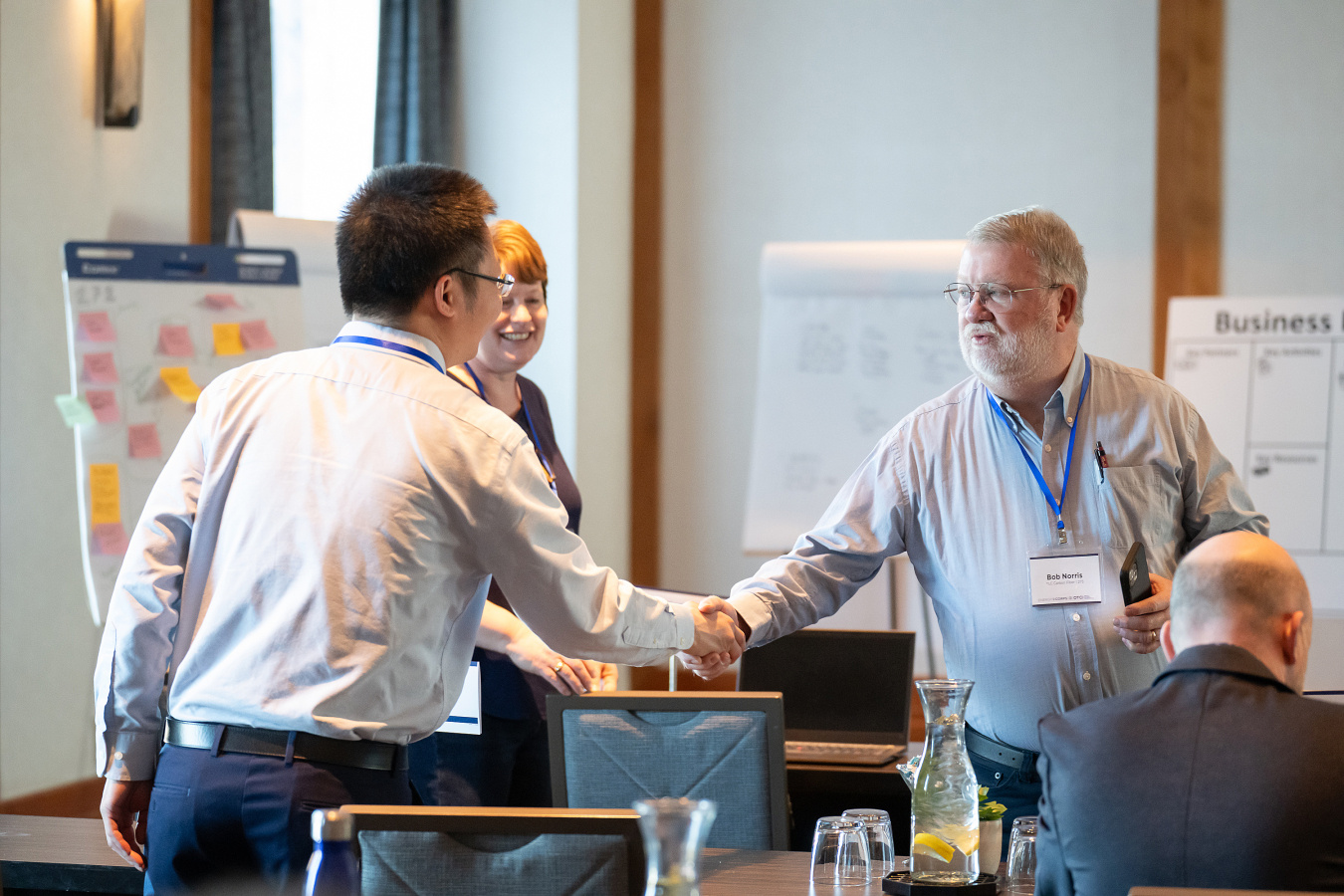
"We're technical folks, so [Energy I-Corps] gives us more exposure to how business decisions are made and what we need to find out from potential users to go back to our product development phase and make it more attractive to [potential customers],” said Bob Norris, Principal Investigator for TLC Carbon Fiber (Team 273).
As part of the Energy I-Corps’ curriculum, teams completed in-depth stakeholder discovery interviews and analyzed these industry findings with the help of instructors. Teams delivered two presentations and received valuable feedback from both peers and coaches across the National Lab complex.
EIC coach Steve Albers shared his experience during Cohort 22 kickoff week:
“My favorite part about welcoming new cohorts into this program is the energy that each cohort brings and learning new strategies to increase their impact. I love seeing these researchers grow and seeing more impact with the academic work that they do.”
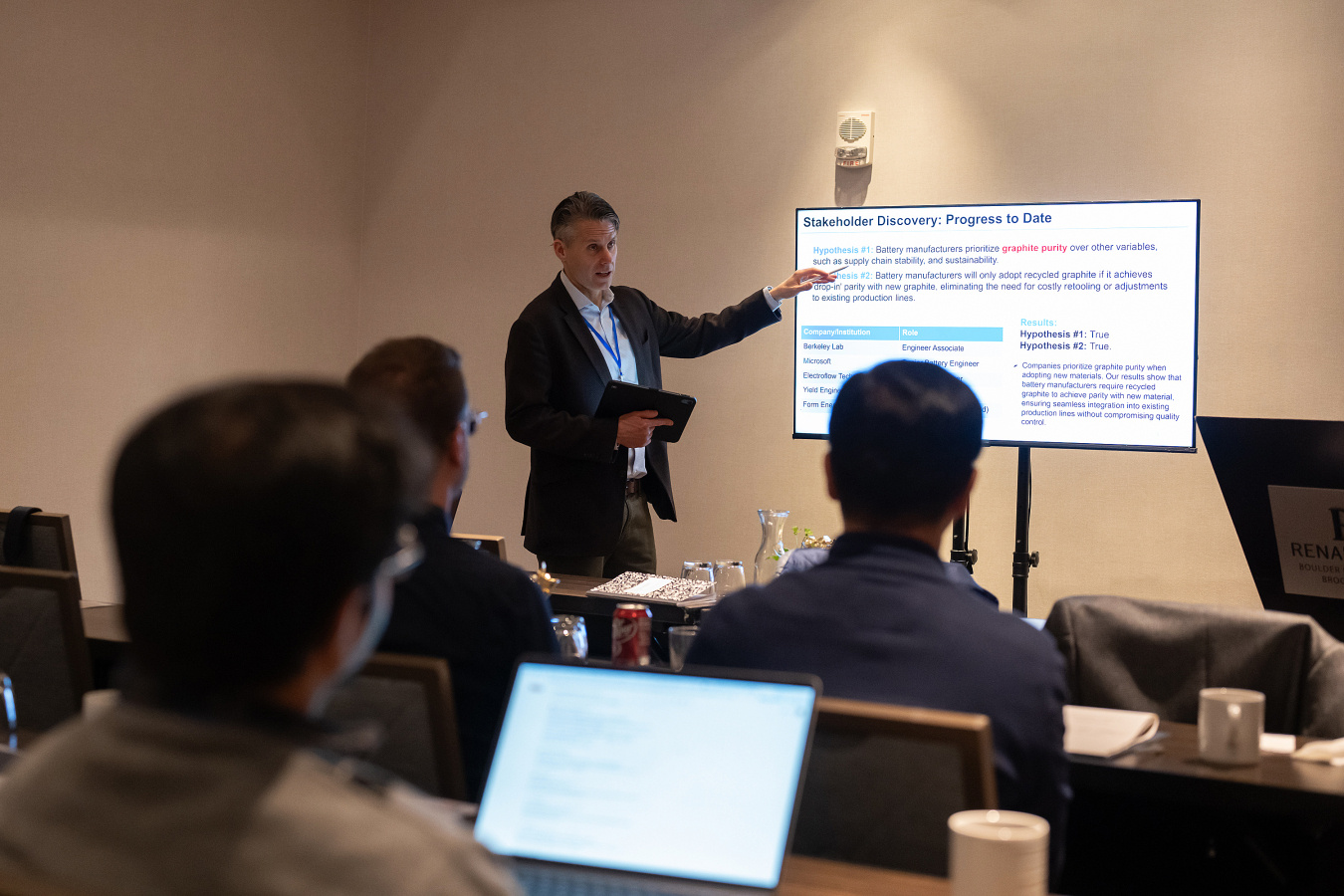
Opening week also featured an Industry Engagement Night where teams met with representatives from 15 established companies to help refine their interview skills before continuing their stakeholder discovery interviews. These foundational activities set the stage for the teams to fine-tune their research and engagement strategies moving forward.
Industry Mentor for Team OASIS (Team 272), Dallas Mullett, offers a unique perspective on the program because she also participated in EIC as an Entrepreneurial Lead during Cohort 18. Dallas adds:
"[Energy I-Corps] does a really good job of approaching the program in a way that researchers can understand, like building a hypothesis. What do you do with a hypothesis? You test it. Well, that's the same thing you're doing with this [technology] in the market, you're testing it. Energy I-Corps puts this in language that researchers understand."
Over the next two months, the teams will work with their industry mentor to define value propositions, conduct at least 75 discovery interviews, and explore viable pathways to bring their products to the market. Cohort 22 includes a wide range of research fields, with technologies in the areas of advanced manufacturing, critical materials, data visualization, cybersecurity, data centers, artificial intelligence, and more.
Team Agile AM Automation (Team 274), funded by the Advanced Materials and Manufacturing Technologies Office, is developing a new approach to temperature monitoring for metals that will enable fast, real-time monitoring of high-dynamic-range melt pools in robotic welding and metal additive manufacturing.
"Our technology is in a very early stage right now, so we're hoping to learn the best direction from Energy I-Corps and assess the potential for commercializing what we already have," said Anthony Starleaf of Agile AM Automation (Team 274).
Cohort 22’s opening week in Colorado began on March 16, 2026, and the full program will conclude in Washington, D.C. in June. The projects span a wide variety of promising technology areas from our National Labs. Learn more about the Cohort 22 teams here.
Cohort 22 is supported by eight DOE program offices:
- CMEI – Advanced Materials and Manufacturing Technologies Office
- CMEI – Transportation Technologies Office
- CMEI – Integrated Energy Systems Office
- Hydrocarbons and Geothermal Energy Office
- Manufacturing Deployment Office
- Office of Electricity
- Office of Nuclear Energy
- Office of Science – Fusion Energy Sciences
Since 2015, Energy I-Corps has supported the advancement of DOE technologies by training more than 570 National Lab researchers with the support of more than 270 industry mentors. The technologies of the past 21 Energy I-Corps cohorts have attracted more than $234 million in post-program funding and executed 99 licenses. Read more program highlights in the 2025 EIC Annual Report.
And stay tuned to learn more about these team’s successes throughout the program! Subscribe to receive OTC email updates and follow us on X and LinkedIn.