



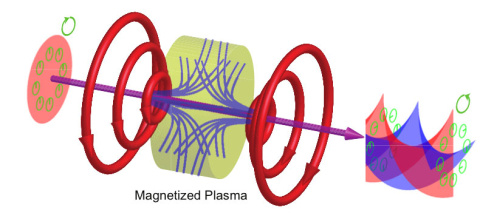
Light is a travelling wave of electric and magnetic fields. We all know that when a stone is thrown into a pond, the wavefronts form concentric
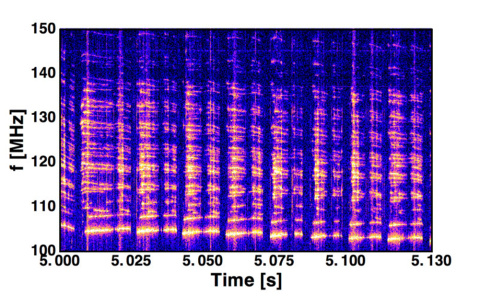
For more than a century, mysterious electromagnetic waves that occur naturally in the earth’s ionosphere—generally caused by lightning
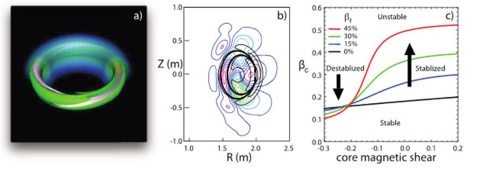
Advanced tokamaks achieve high-thermal-energy plasmas by injecting beams of hot ions that collide with, and thereby heat, the background plasma.
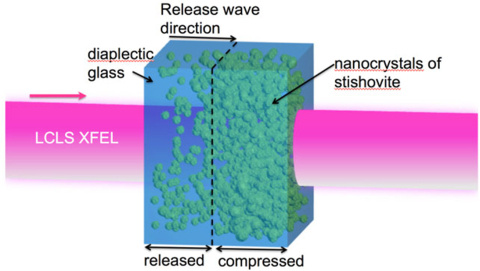
Using the high brightness, short-pulse X-ray free-electron laser at the SLAC National Accelerator Laboratory, the team measured the speed at which
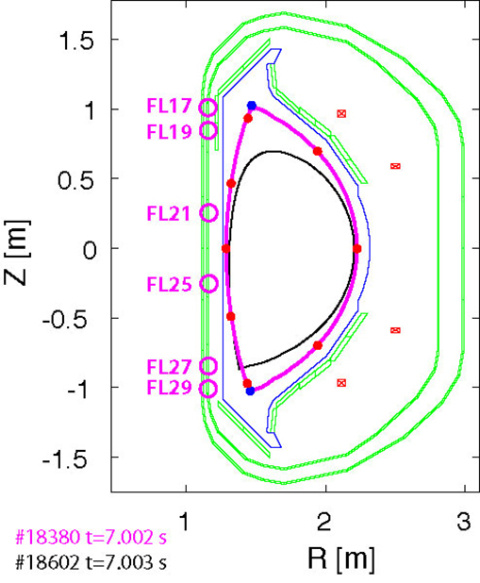
The shape of the plasma boundary in fusion energy experiments, such as KSTAR and ITER, must be carefully controlled to achieve the plasma
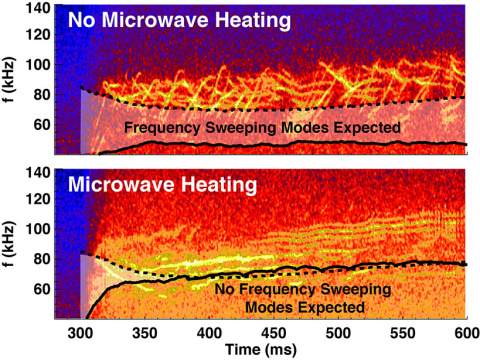
Localized electron heating by microwaves has been shown to be an effective tool for modifying Alfvén waves in the DIII-D National Fusion
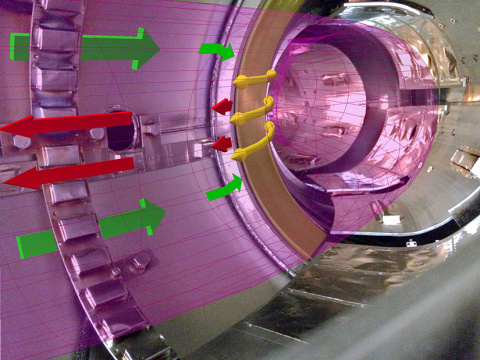
The walls of fusion energy experiments, such as ITER, must be carefully designed to handle large electromagnetic forces. During the abrupt
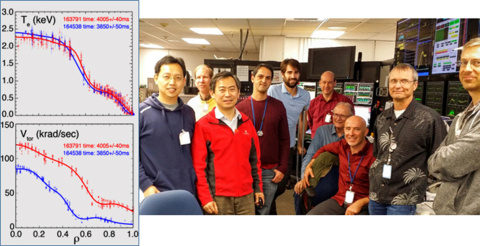
A collaboration of U.S.- and China-based magnetic fusion scientists is developing the physics basis for maintaining excellent energy confinement
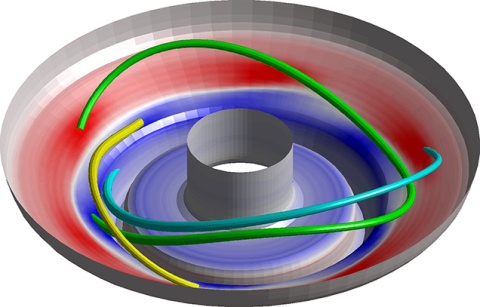
The tokamak is an efficient design for confining superheated plasmas with magnetic fields because much of the magnetic field is produced by
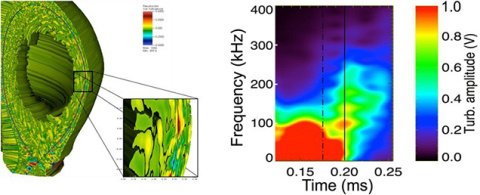
To achieve its goal, ITER’s core ion temperature must be around 15 keV, or over 10 times hotter than in the core of the sun. At the same time