



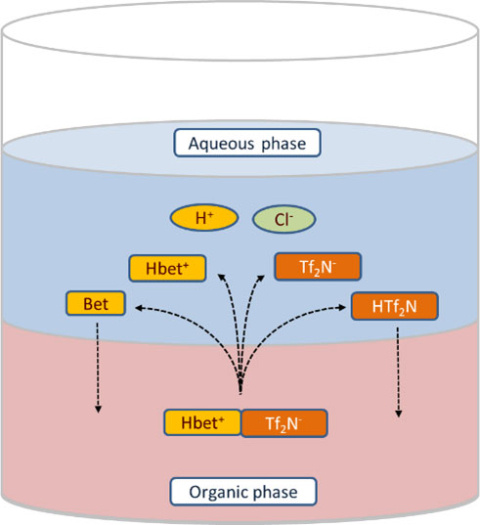
Research on techniques for studying the chemical properties of superheavy elements might also help recover a strategically important metal.
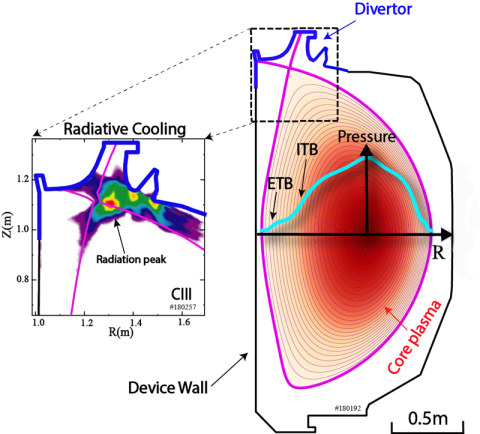
DIII-D researchers create barriers to separate core heat from the cooler edge of a tokamak
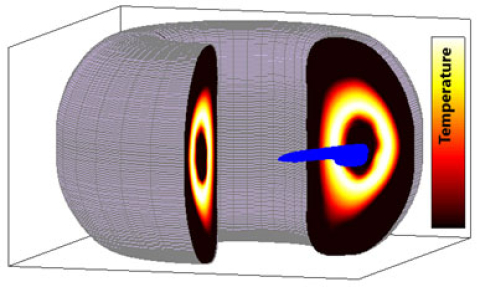
New simulations show diamond shells can cool plasmas more efficiently and prevent runaway electrons.
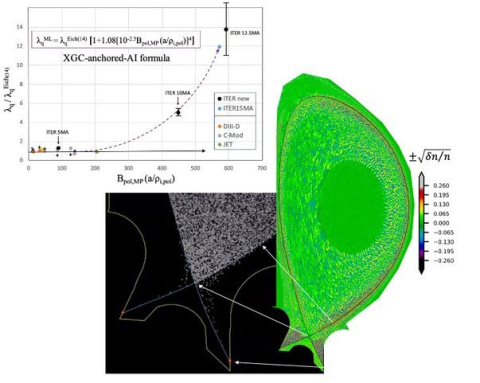
Extreme-scale turbulence simulation and AI discover a formula to predict the crucial exhaust heat-load width in future tokamak fusion reactors.
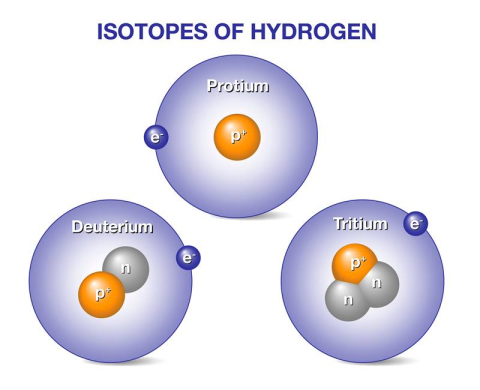
Researchers use a supercomputer to understand the mysterious “isotope effect” for better fusion reactors.
Researchers address the challenge of integrating the hot core and the cooler edge of a fusion plasma.
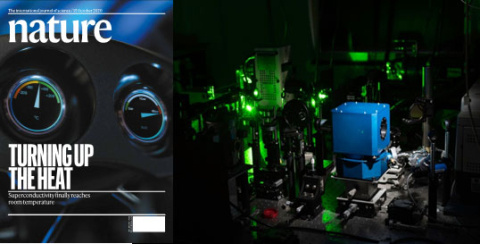
A new room-temperature superconductor could spark a revolution.
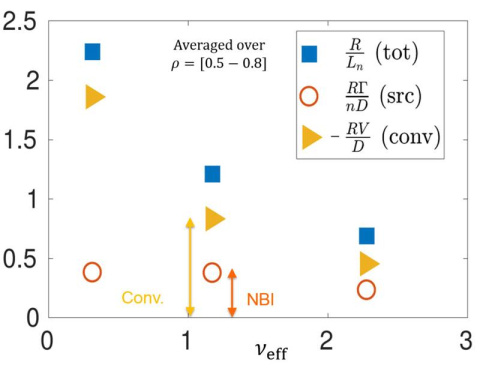
Transport effects raise the density in the plasma core.
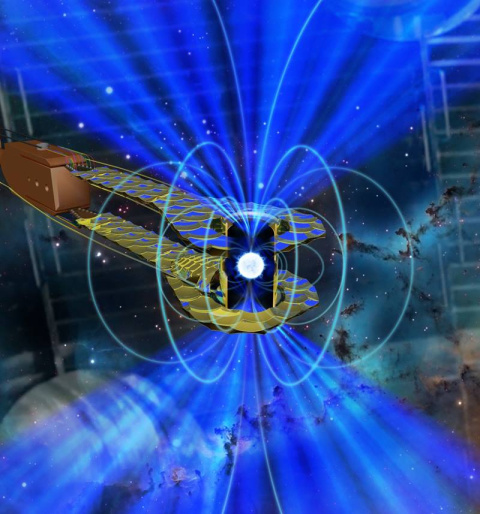
Experiments reveal relationship between density of matter & extreme pressure in stellar objects, putting constraints on models of white dwarf stars.
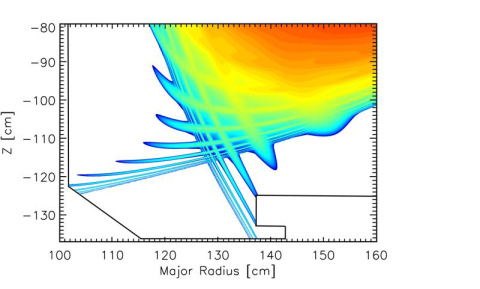
A technique that suppresses damaging instabilities also improves the exhaust of helium ‘ash’ in the DIII-D tokamak, improving conditions for fusion.