



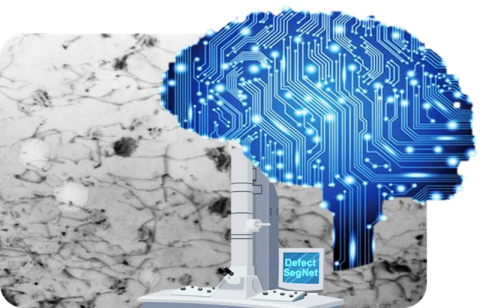
Novel Convolutional Neural Network combined with advanced microscopy offers a path to automated and reliable radiation defect analysis.
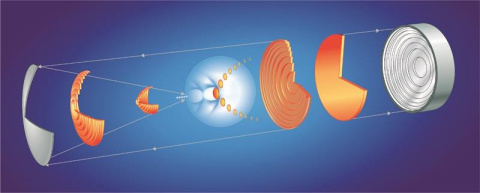
A novel paradigm for pushing energy in a particle accelerator method could dramatically shrink future accelerators.
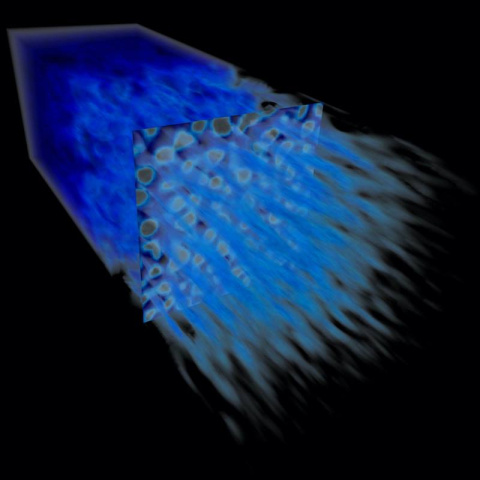
New laser-driven experiments and numerical simulations reveal an electron acceleration mechanism relevant to young supernova shock waves.
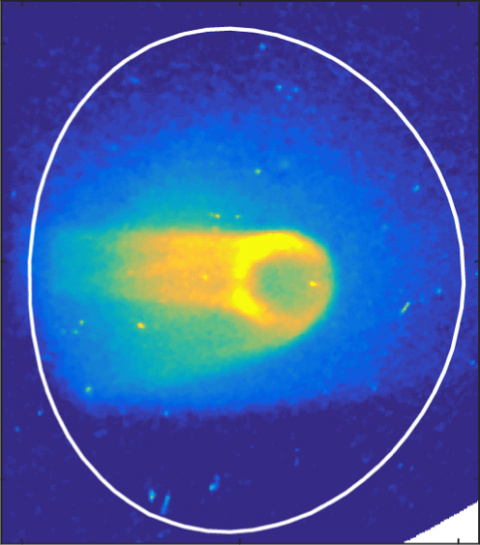
Discovery could help control potentially damaging bursts during plasma disruptions, another step toward fusion power production.
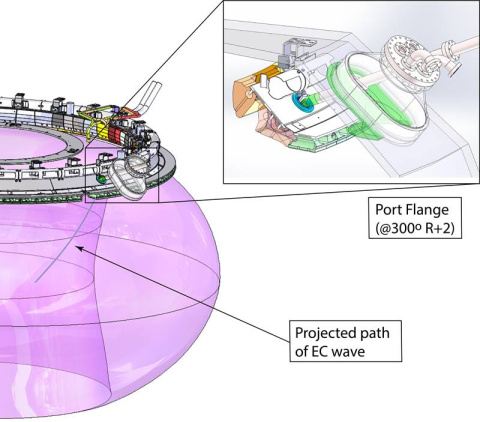
New approach doubles the current driven by microwave heating at the DIII-D National Fusion Facility.
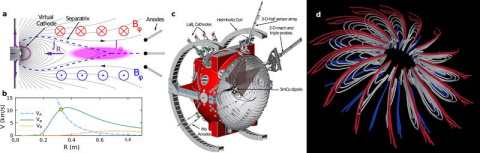
Scientists created the Parker spiral – the spiral magnetic field structure of the Sun due to its rotation – in the lab.
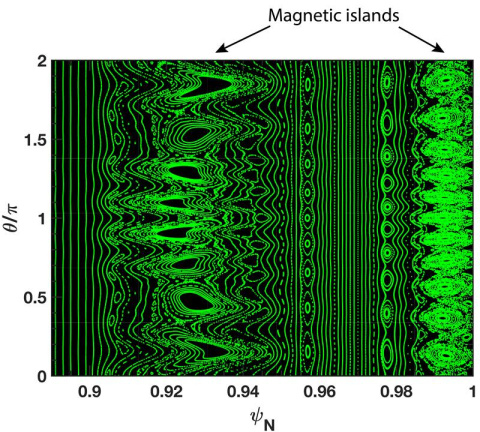
3D magnetic fields can help control the plasma edge to prevent damaging bursts of heat and particles from fusion plasma.
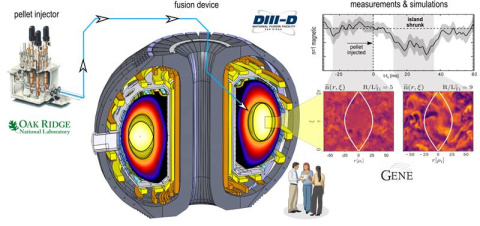
Injecting pellets into fusion plasma helps repair tears in fusion reactors’ magnetic fields, improving prospects for fusion energy.
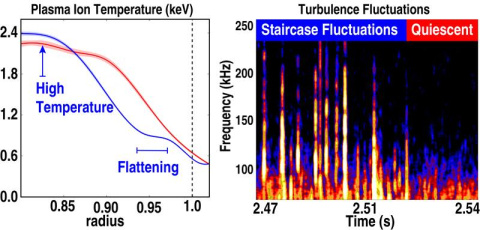
Forming a staircase in the edge of the plasmas can boost the performance of a fusion reactor.
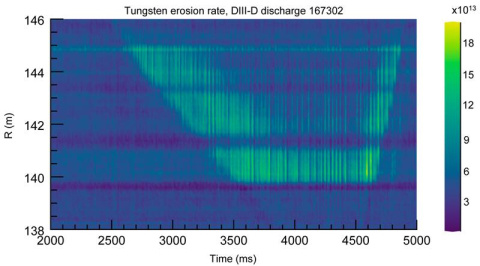
New high-resolution measurements of tokamaks’ tungsten walls may provide insight into how to better protect the armor material.