



Long duration energy storage systems – defined as technologies that can store energy for more than 10 hours at a time – are a critical component of a low-cost, reliable, carbon-free electric grid. In alignment with DOE’s Energy Earthshot Initiative, the Long Duration Storage Shot sets a bold target to reduce the cost of grid-scale energy storage by 90% within the decade.
On September 23, 2021 stakeholders came together for the This was an empty link: Long Duration Storage Shot SummitLong Duration Storage Shot Summit to learn more about how we can work together to achieve this goal and create affordable grid storage for clean power – anytime, anywhere.
For additional questions, please contact us at ESGC@hq.doe.gov.
2:00 - 3:00 PM Stakeholder Round Table: Overcoming Market, Regulatory, and Finance Challenges for Long-Duration Storage Technologies
View the Stakeholder Round Table presentations
Long-duration energy storage (LDES) will increasingly be critical to balance the grid. However, existing market, regulatory, and financing paradigms are ill-suited to catalyze LDES deployment. Join this round table to learn more about the value proposition for LDES under evolving grid conditions, potential market, regulatory, and financing challenges, as well as potential solutions.
- Noel Bakhtian, Lawrence Berkeley National Laboratory (LBNL) [moderator]
- Mark Ahlstrom, NextEra Energy Resources
- Richard Baxter, Mustang Prairie
- Jason Burwen, Energy Storage Association
- Debbie Lew, Energy Systems Integration Group
- Rebecca O’Neil, Pacific Northwest National Laboratory
- Julia Prochnik, Long Duration Energy Storage Association of California
3:00 - 3:15 PM Break 3:15 - 4:15 PM National Capabilities to Support Decision Making around Energy Storage
View the National Capabilities to Support Decision Making around Energy Storage presentation
DOE’s national laboratories have a wide range of analytical and technical assistance capabilities that can be used to enhance decision making related to energy storage. Join this session to learn more some of this cutting-edge storage analyses taking place across DOE and how you can leverage the national labs to assist in your decision-making processes.
- Paul Spitsen, Department of Energy [moderator]
- Patrick Balducci, Argonne National Laboratory
- Nate Blair, National Renewable Energy Laboratory
- Pete Cappers, Lawrence Berkley National Laboratory
- David Fobes ,Los Alamos National Laboratory
- Thomas Mosier, Idaho National Laboratory
- Ivonne Pena-Cabra, National Energy Technology Laboratory, NETL Support Contractor
- Jeremy Twitchell, Pacific Northwest National Laboratory
4:15 - 4:30 PM Long Duration Storage Shot Summit Preview
Get a sneak peek into The September 23 Storage Shot Summit where we will discuss how we can work together to achieve the goal of Long Duration Storage Shot and create affordable grid storage for clean power – anytime, anywhere.
- Alejandro Moreno, Deputy Assistant Secretary for Renewable Power, U.S. Department of Energy
- Michael Pesin, Deputy Assistant Secretary, Advanced Grid Research and Development, U.S. Department of Energy
11:00 AM - 12:00 PM Welcome and Announcements
- Deputy Secretary David Turk, U.S. Department of Energy
Keynotes
- Pat Hoffman, Office of Electricity, U.S. Department of Energy
- Christopher Ayers , North Carolina Utilities Commission Public Staff
- Clay Koplin, Cordova Electric Cooperative
- Gia Mahmoud, National Grid
- Ali A. Zaidi, Deputy White House National Climate Advisor
- Audrey Zibelman, Google X
- Congressman Bill Foster
- Senator Angus King
- Senator Susan Collins
12:00 - 12:15 PM Break 12:15 - 1:15 PM National Labs as Storage Technology Boosters: The Facilities and Capabilities Navigator
This session will highlight the results from the National Labs Storage Capabilities survey. By attending this session, you will find out how you can work with the National Labs to help reach the Long Duration Storage Shot.
- Vinod Siberry, U.S. Department of Energy
- Vince Sprenkle, Pacific Northwest National Laboratory
- Michael Starke, Oak Ridge National Laboratory
1:15 - 1:20 PM Break 1:20 - 1:50 PM Lab Partnering Service Demo
Join this discussion that will highlight the energy storage content on the Lab Partnering Service (labpartnering.org) and how LPS can serve as a conduit to access lab expertise and capabilities. Don’t miss this opportunity to learn how this site can help you reach you long duration storage goals.
- Robert Bectel, U.S. Department of Energy
- Laura Burke, U.S. Department of Energy
1:50 - 2:00 PM Break 2:00 - 2:50 PM Rapid Operational Validation Initiative: Industry Roundtable
View the ROVI presentation
To meet the administration's 2035 decarbonization goal, long duration storage technologies will need to be commercially ready, at scale, in 8 years (by 2030). Most energy assets have operational lifetimes of 15-20 years or longer. Commercial deployment of these new technologies will require the ability to validate performance faster than real time. DOE has proposed investing in this capability through the Rapid Operational Validation Initiative. Join this session to learn more about the ROVI concept and voice your real needs so ROVI can be developed to address them.
- Sue Babinec, Argonne National Laboratory [moderator]
- Brentan Alexander, New Energy Risk
- Eric Dufek, Idaho National Laboratory
- Craig Horne, Wellhead Electric
- Eric Hsieh, U.S. Department of Energy
- Lola Infante, EPRI
2:50 - 3:00 PM Break 3:00 - 3:50 PM Lab Embedded Entrepreneurship Programs
View the Lab Embedded Entrepreneurship Programs presentation
Want to learn about the DOE fellowship programs? Then join us for this session about the Lab Embedded Entrepreneurship Programs. Hear from participating energy storage innovators that have “graduated” as they discuss their successes from these programs.
- Joe Cresko, U.S. Department of Energy [moderator]
- David Bierman, Antora Energy
- John Carlisle, Argonne National Laboratory
- Don Derosa, Eonix Energy
- Tom Guarr, Jolt Energy
- Dan Miller, Oak Ridge National Laboratory
- Rachel Slaybaugh, Lawrence Berkeley National Laboratory
3:50 - 4:00 PM Closing
Storage Shot Day 1 Presentations
Storage Shot Day 2 Presentations
Speaker Spotlights
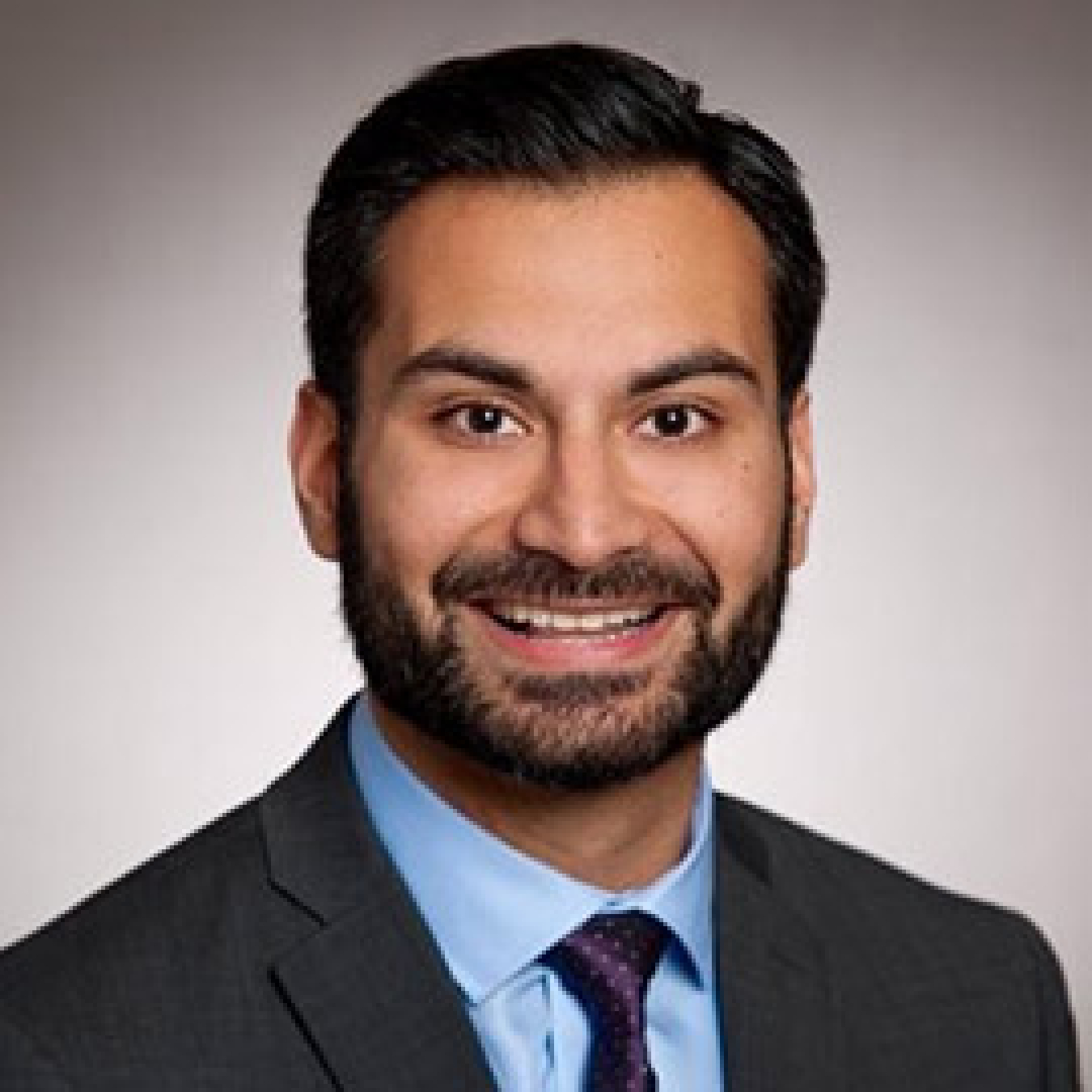
Ali A. Zaidi, Deputy White House National Climate Advisor
Ali A. Zaidi is engaged in teaching, writing and research at the intersection of technology, policy, and financial innovation through Stanford’s Precourt Institute for Energy. Since 2017, Zaidi has taught graduate students in STEM on economic and technology policy topics related to climate change -- serving as as an Adjunct Professor for Materials Science 301, Engineering Energy Policy Change, and Chemistry 279, Chemophysical Analyses of Costs to Lower Atmospheric Concentrations of Greenhouse Gases. At Stanford, Zaidi has advanced scholarship on the economic and fiscal implications of climate change and public and private sector responses to those financial risks. In addition, Zaidi co-founded Lawyers for a Sustainable Economy, a first-of-a-kind initiative that will connect sustainability-focused startups with pro bono legal services worth over $20 million by the end 2020. This initiative is being jointly facilitated by the Precourt Institute for Energy and Stanford Law School.
For eight years, Zaidi served in key roles within the Obama-Biden Administration. In 2014, President Obama appointed him the Associate Director for Natural Resources, Energy, and Science at the White House Office of Management and Budget (OMB), where he led a 60-person team that was responsible for overseeing a wide array of policy, budget, and management issues across a nearly $100 billion portfolio and a number of federal agencies, including the Departments of Energy, Agriculture, and the Interior, the Environmental Protection Agency, the National Aeronautics and Space Administration, the Army Corps of Engineers’ civil works, the National Science Foundation, and the Tennessee Valley Authority, the nation’s largest public utility. In this role, Zaidi also served as OMB’s chief policy official for implementation of the Climate Action Plan, which he helped design and draft, and was part of the delegation that negotiated the historic international climate change agreement in Paris. At OMB, Zaidi also led on aspects of other Obama-Biden Administration priority policies, including on infrastructure, transportation, technology, science, and conservation.
Before OMB, Zaidi served in a number of roles in the Administration, including as the Deputy Director of Energy Policy for the White House Domestic Policy Council; and as Senior Director for Cabinet Affairs at the White House.
Since leaving the Obama-Biden Administration, Zaidi has worked as a transactional and regulatory attorney and helped launch and lead his law firm’s sustainable investment practice. His practice is focused on clients with interests in sustainability and ESG, climate change, clean energy, advanced transportation, and water. He is also a leader on pro bono, as counsel on a diverse set of matters, including civil rights, global development, and impact investment.
Zaidi has also served as Vice Chair of Center for Carbon Removal; Trustee of the Natural Resources Defense Council, one of the nation’s largest environmental nonprofit organizations; Director of America’s Promise Alliance and of The Generations Initiative; and Co-Chair of the Aspen Institute EEP’s Strategy Group on Future of Artificial Intelligence and Robotics.
Zaidi holds an A.B. and J.D. from Harvard University and Georgetown University, where he was editor of the Georgetown Law Journal (GLJ) and executive editor of GLJ’s Annual Review of Criminal Procedure
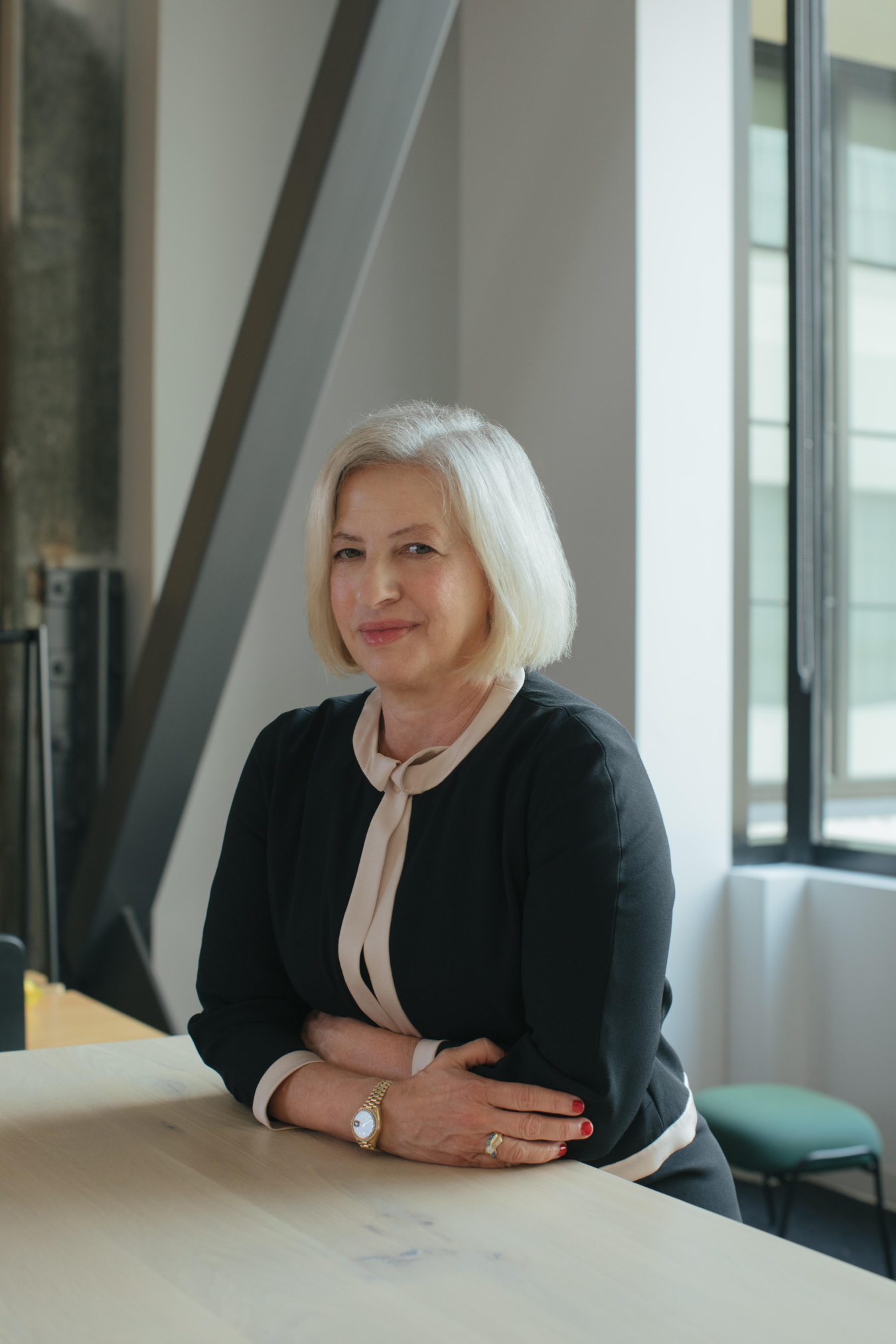
Audrey Zibelman Vice President, X’S Electric Grid Moonshot
Audrey Zibelman leads X’s moonshot for the electric grid. Her team is developing new computational tools to enable the rapid and cost effective decarbonization of the electrical grid.
Audrey has spent over three decades leading organizations with the goal of making power cleaner, more affordable and more reliable. She is an international expert in power system transformation, regulation, markets and operations. She’s also been a utility executive, regulator, system operator and entrepreneur.
Audrey joined X from the Australian Energy Market Operator (AEMO) where she was the Managing Director and CEO. AEMO plans and operates the electricity and gas systems and markets for Australia. Prior to AEMO, Audrey was the Chair of the New York Public Service Commission where she was a member of the Governor’s cabinet and oversaw the electric, gas, water, steam and communication utilities in New York. While in New York, Audrey oversaw massive regulatory reform of the electric industry to support a decarbonised grid, known as Reforming the Energy Vision, or REV. Audrey has also held executive roles at utilities companies PJM and Xcel Energy and was the founder and CEO of Viridity Energy.
When she’s not working to keep the lights on, she’s hiking the hills of San Francisco and playing tennis with her husband Bruce, or spending time with their children and grandchildren.
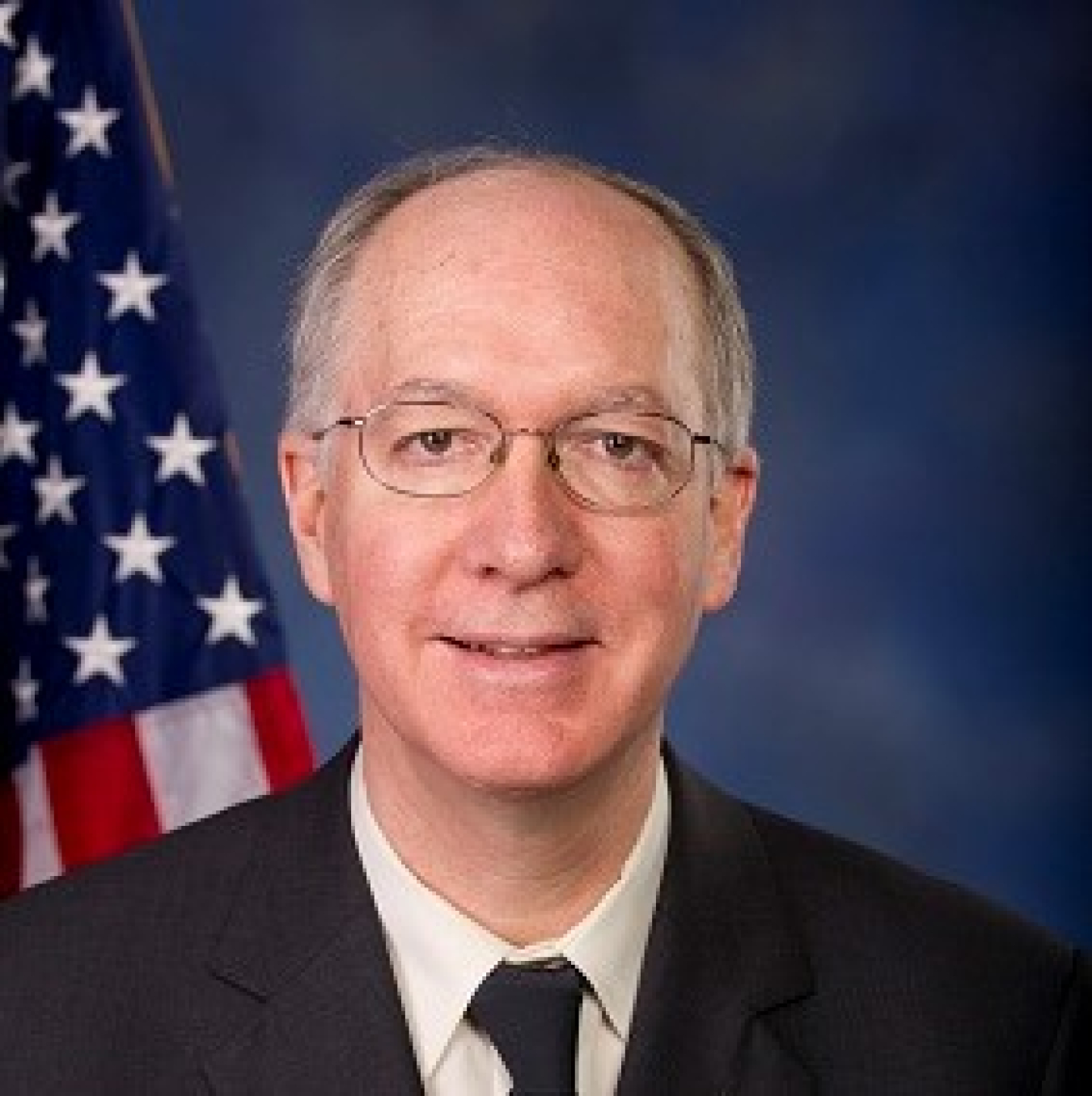
Congressman Bill Foster is a scientist and businessman representing the 11th Congressional District of Illinois, a position he’s held since 2013. He also represented the 14th Congressional District of Illinois from 2008 to 2011. He is the only PhD physicist in Congress.
Bill serves on the House Financial Services Committee where he advocates for consumer protections and an economy that works for everyone. In response to the Great Recession, he helped create several important reforms in the financial services and housing markets, including the Dodd-Frank Wall Street Reform and Consumer Protection Act. Bill serves as chairman of the Financial Services Committee’s Task Force on Artificial Intelligence.
He also serves on the House Science, Space, and Technology Committee where he has fought for evidence-based policies and forward-thinking approaches to some of our country’s most pressing issues, including climate change and energy innovation. He is a champion for sustained federal funding for scientific research.
Bill serves as the chairman of the Science Committee's Investigations and Oversight Subcommittee, which is empowered to investigate and oversee federal scientific research.
In the wake of the devastating COVID-19 pandemic, Bill was named to the House Select Subcommittee on the Coronavirus. The Select Subcommittee is charged with examining the federal government’s response to the COVID-19 crisis, including the use of taxpayer funds to mitigate the public health and economic consequences of the pandemic.
Bill's business career began at age 19 when he and his younger brother co-founded Electronic Theatre Controls, Inc., a company that now manufactures over half of the theater lighting equipment in the United States.
Before he became a Member of Congress, Bill worked as a high-energy physicist and particle accelerator designer at Fermi National Accelerator Laboratory (Fermilab). He was a member of the team that discovered the top quark, the heaviest known form of matter. He also led the teams that designed and built several scientific facilities and detectors still in use today, including the Antiproton Recycler Ring, the latest of Fermilab's giant particle accelerators.
Bill lives in Naperville with his wife Aesook, who is also a physicist. Bill has two grown children, Billy and Christine. Bill's father was a civil rights lawyer who wrote much of the enforcement language behind the Civil Rights Act of 1964.
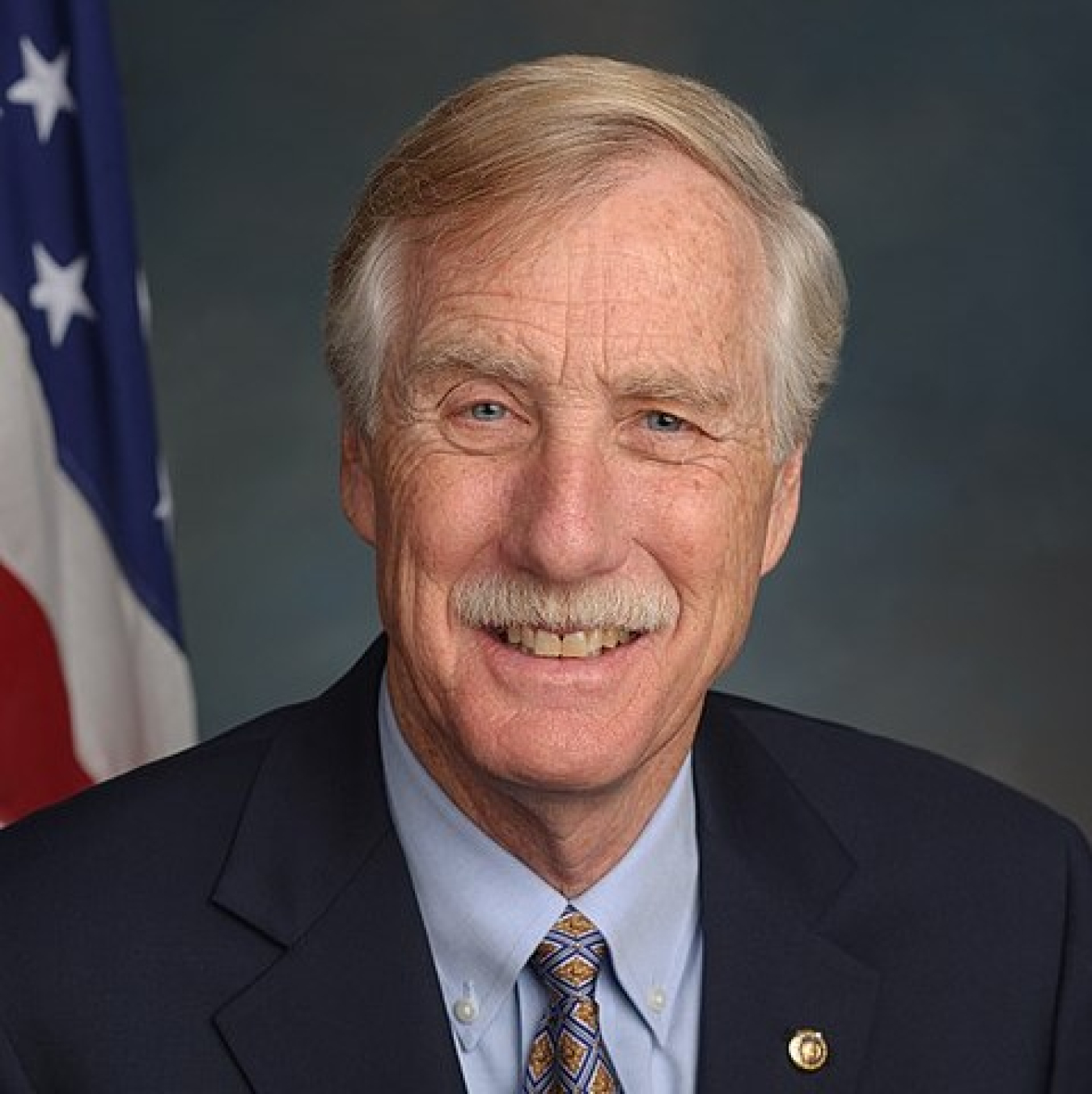
In January 2013, Angus King was sworn in as Maine’s first Independent United States Senator, filling the same seat once held by storied Maine leaders Edmund Muskie, George Mitchell, and Olympia Snowe.
A strong believer in the need for greater bipartisan dialogue and relationship building, Senator King is proud to join the long line of thoughtful, independent leaders from the State of Maine, and he works hard every day to bring Republicans and Democrats together to find common-sense solutions for Maine and America. He is a proven consensus-builder who “calls ‘em like he sees ‘em”, putting civility and respect ahead of political ideology.
Senator King is a member of the Armed Services Committee, the Select Committee on Intelligence, the Committee on Energy and Natural Resources, and the Committee on Rules and Administration. He has made it a priority not to miss Committee hearings, earning him praise from his colleagues and the reputation as a workhorse in the Senate. The late Senator John McCain (R-Ariz.), who served as Armed Services Chairman, once called Senator King “one of the most serious and hard-working members” of the Committee.
In his time in the Senate, Senator King has worked to strengthen America’s national security, conducted critical oversight of the nation’s Intelligence Community, supported common-sense budget priorities that promote prosperity and reduce the national debt, fought the national opioid and heroin epidemic, coordinated efforts to revitalize Maine’s forest economy, advocated for policies that contribute to cleaner, cheaper energy and mitigate climate change, railed against the corrosive effect of unchecked money in politics, fought to improve access to health care, worked to strengthen the government’s support of veterans, and promoted increased access to critical community resources like rural broadband.
Senator King has achieved significant legislative victories since taking office. He led efforts to draft and pass the Student Loan Certainty Act of 2013, which averted drastic increases in student loan interest rates, saved students across the country more than $50 billion in interest payments, and set the program on a path to long-term financial stability. In 2018, Senator King successfully included a number of provisions in the SUPPORT for Patients and Communities Act, legislation focused on improving the federal government’s response to the opioid epidemic. The legislation, which passed overwhelmingly, included language backed by Senator King to make medication-assisted treatment more readily available and adjust federal restrictions to allow residential treatment facilities to increase treatment capacity. Earlier this year, in the face of the coronavirus pandemic, he introduced the Paycheck Protection Flexibility Act to improve the Paycheck Protection Program and provide additional flexibility for business owners who’ve received PPP loans; the legislation was signed into law in June.
A leading voice on the importance of improving America’s cybersecurity, Senator King was selected by Congressional leadership to co-chair the Cyberspace Solarium Commission, a bipartisan effort established by Congress to review the threats facing America in cyberspace and develop a forward looking plan on how to defend ourselves against cyber threats. The commission, which consisted of bipartisan members of Congress, top Executive Branch officials, and nonpartisan industry leaders, laid out more than 75 recommendations to improve the cybersecurity of U.S. critical infrastructure and prepare the nation for future challenges in an increasingly digital world.
In fact, it is in small working groups like this that Senator King has focused much of his work. Senator King is committed to working across the aisle in small, bipartisan working groups that bridge partisan divides to address the challenges that face the nation. He co-founded the Former Governors Caucus, which brings together the Senate’s former Governors to chart pragmatic approaches to solutions, as well as the Senate Arctic Caucus, which hones in on Maine and America’s growing interest in the Arctic. Senator King also tries to informally bridge the partisan divide in Washington by frequently bringing his colleagues on both sides of the aisle to his home for barbeque dinners, where political talk is banned and the focus is getting to know one another. The bonds that are formed through these relationships often lay the foundation for successful legislation.
Prior to taking office, Senator King served as the 72nd Governor of Maine. During his two terms in the Blaine House, he focused on economic development and job creation. Then-Governor King also achieved significant reforms in education, mental health services, land conservation, environmental protection, and the delivery of state services. He was re-elected in 1998 by one of the largest margins in Maine’s history.
Senator King is married to Mary Herman and has four sons, Angus III, Duncan, James, and Ben, one daughter, Molly, and six grandchildren. He attended Dartmouth College and the University of Virginia Law School. In his free time, he enjoys exploring the Maine outdoors, either on his Harley or with his family in their camper.
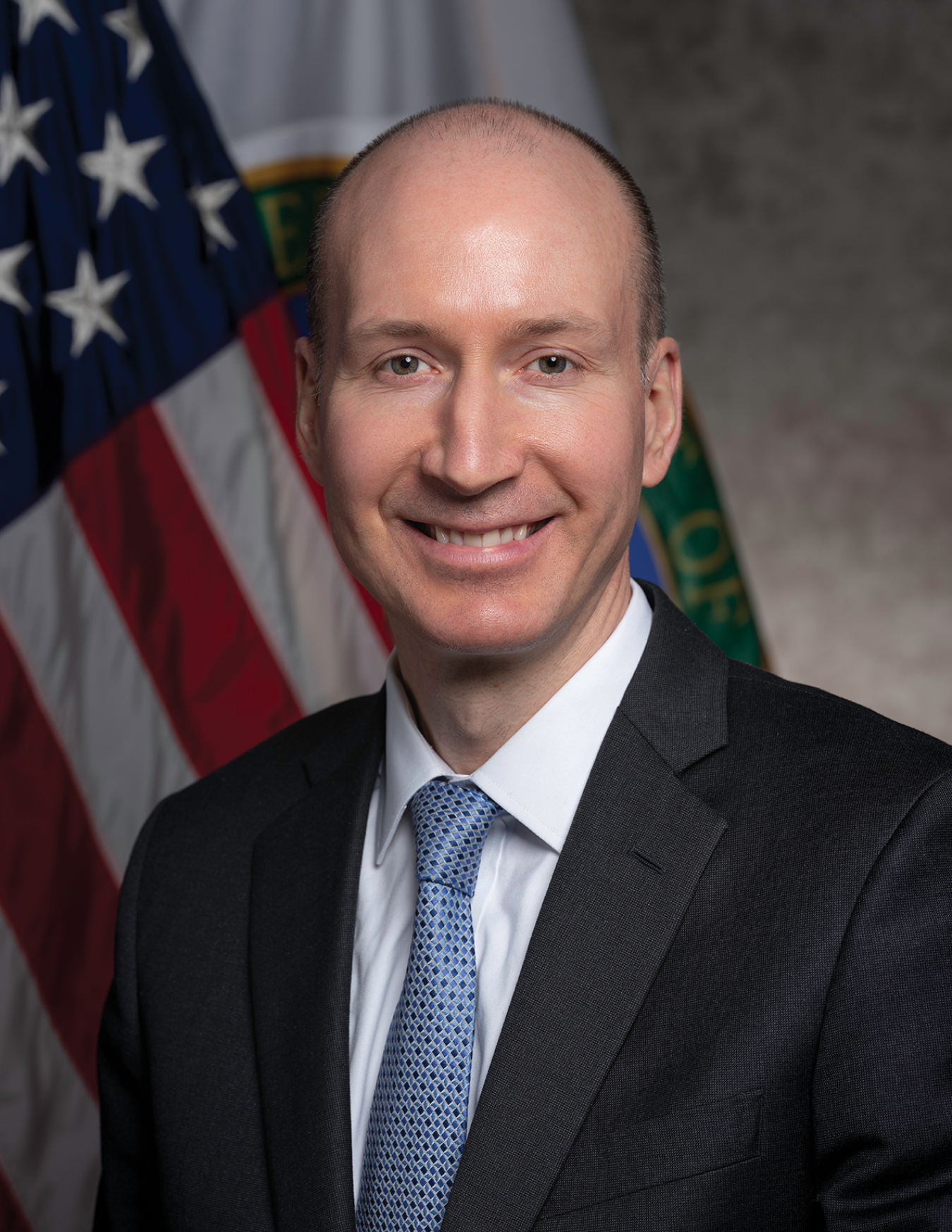 Official Photo of David Turk, Deputy Secretary of the U.S. Department of Energy
Prior to his nomination as Deputy Secretary, Turk was the Deputy Executive Director of the International Energy Agency (IEA), where he focused on helping countries around the world tackle their clean energy transitions. He also directed reports on the digitalization of energy systems, the future of clean hydrogen, and a project tracking progress on a wide range of clean energy technologies.
During the Obama-Biden Administration, Turk coordinated international technology and clean energy efforts at DOE. During this time, he helped spearhead the launch of Mission Innovation—a global effort to enhance clean energy innovation.
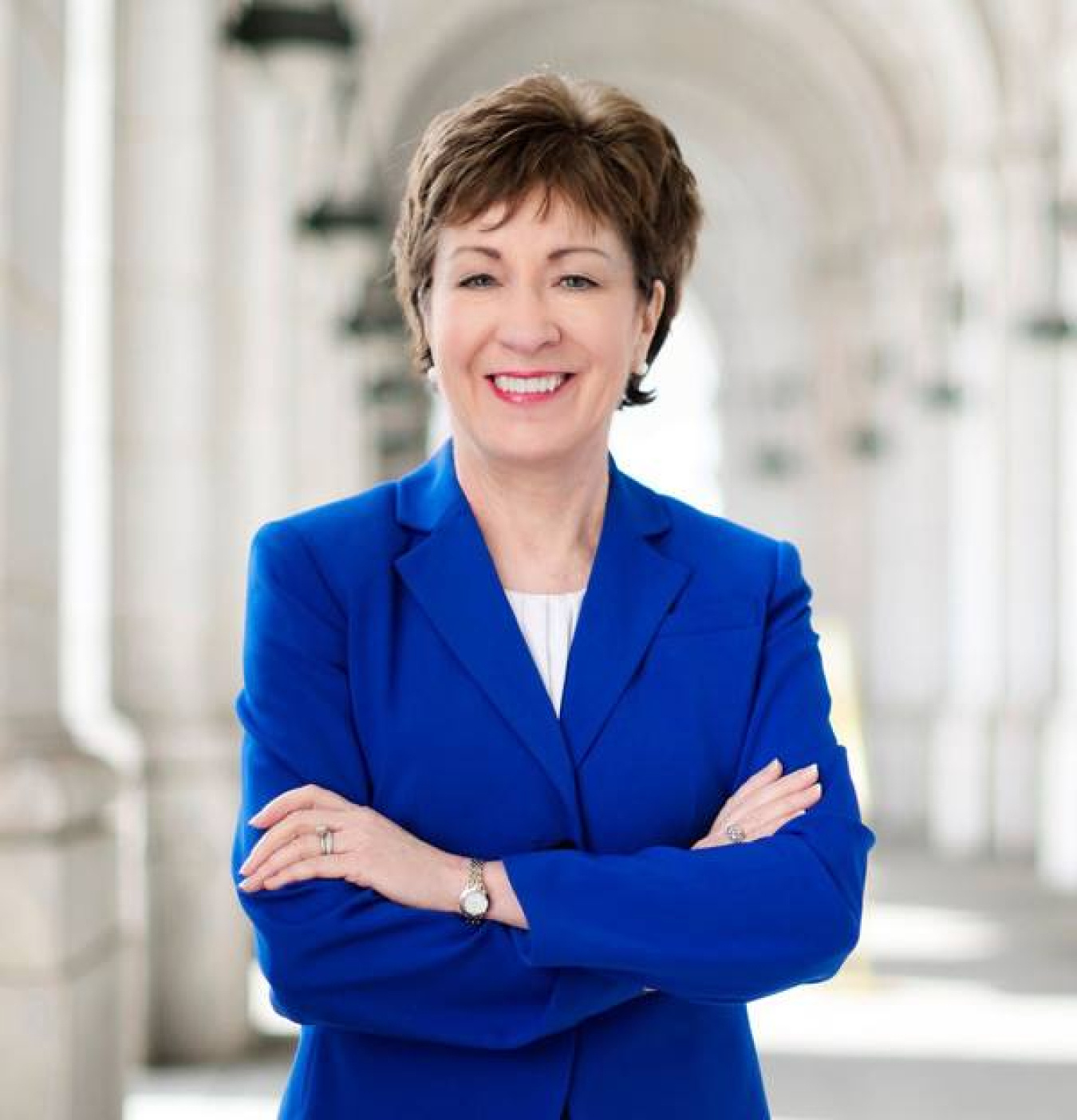
When people in Washington want to solve a problem, they turn to the senior United States Senator from Maine, Susan Collins. First elected in 1996, Senator Collins has earned a national reputation as an effective legislator who works across party lines to seek consensus on our nation’s most important issues. For the past seven consecutive years, Senator Collins has ranked as the most bipartisan member of the U.S. Senate by the Lugar Center and Georgetown University.
Senator Collins ranks eleventh in Senate seniority and is the most senior Republican woman. She serves on the Appropriations Committee, and she is the Ranking Member of the Transportation, Housing, and Urban Development Appropriations Subcommittee. She also serves on the Health, Education, Labor and Pensions Committee; the Aging Committee; and the Intelligence Committee.
Known for her Maine work ethic, Senator Collins has never missed a vote in her 24 years in office. In June 2019, she cast her 7,000th consecutive roll call vote. She holds the longest perfect voting record in the history of the U.S. Senate.
Senator Collins is recognized as a skillful legislator, which is one reason why Elle magazine named her one of the most powerful women in Washington. Her record demonstrates significant legislative accomplishments in such critical areas as homeland security, national defense, disaster response, education, business development, health care, and issues of particular interest to our nation’s seniors. Along with Senator Joe Lieberman, Senator Collins authored a major overhaul of our nation’s intelligence community after the September 11th attacks, improving its effectiveness while protecting civil liberties. She was also the lead Republican in the successful effort to repeal the discriminatory “Don’t Ask, Don’t Tell” law in December 2010. Senator Collins is the founder of the Common Sense Coalition, a bipartisan group of senators who wrote the framework of the plan that ended the 16-day government shutdown in October 2013 as well as the shutdown in February 2018.
Senator Collins has had a long-standing interest in health care. In 1997, she founded the Senate Diabetes Caucus and has led the effort to more than triple federal funding for diabetes research. As the founder and co-chair of the Congressional Task Force on Alzheimer ’s Disease, she has worked to increase funding for Alzheimer’s research and to strengthen support for family caregivers. She is also a tireless advocate for education and has visited and read to children at hundreds of schools across Maine. A champion for America’s small businesses, Senator Collins is proud of the 100 percent rating she receives from the National Federation of Independent Business, our nation’s leading small business organization. At the beginning of the pandemic in 2020, Senator Collins co-authored the Paycheck Protection Program (PPP), which provided a lifeline to millions of small businesses across the country and supported tens of millions of jobs. Senator Collins received the Distinguished Citizen Award from the Congressional Medal of Honor Society for her work to support veterans, and she received the Navy’s highest public service award from the Secretary of the Navy for her tireless advocacy of shipbuilding programs.
Constituent service has always been one of Senator Collins’ top priorities. During her time in the Senate, she has helped tens of thousands of Mainers resolve issues with federal agencies at six constituent service centers throughout Maine.
Senator Collins was born December 7, 1952, and raised in Caribou, Maine, where her family runs a sixth-generation lumber business, founded by her ancestors in 1844. A Phi Beta Kappa graduate of St. Lawrence University, she is married to Thomas A. Daffron and resides in Bangor, Maine.