



On June 23, the NSF-DOE Vera C. Rubin Observatory will reveal the first look at its amazing images.
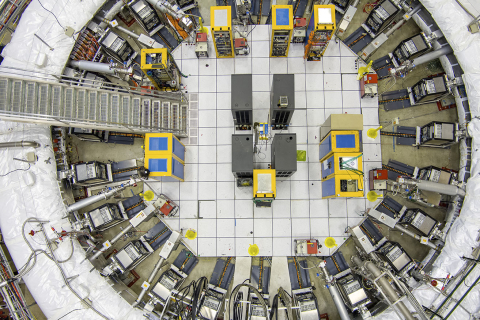
The third and final result, based on the last three years of data, is in perfect agreement with the experiment’s previous results, further solidifying the experimental world average. This long-awaited value will be the world’s most precise measurement of the muon magnetic anomaly for many years to come.

Distinguished Scientist Fellow Lois Curfman McInnes shares her reflections on a career developing scientific software ecosystems.
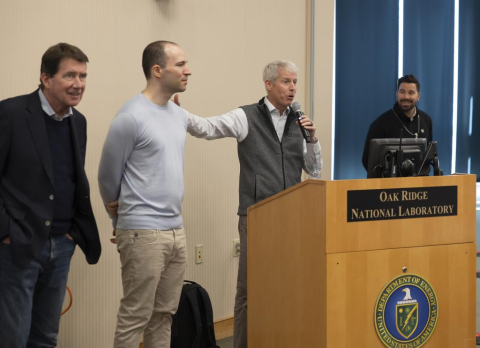
The Office of Science is supporting fundamental science research.

Successful Competition Highlights Importance of Investing in Next Generation of Leaders in Science
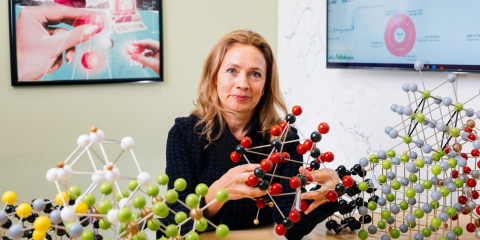
Distinguished Scientist Fellow Kristin Persson reflects on the importance of data in discovering new materials and her contributions to the field.
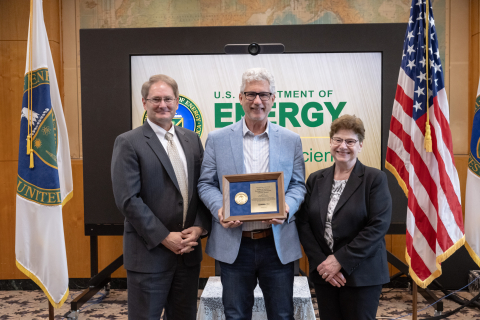
Distinguished Scientist Fellow Gerald Tuskan shares his reflections on a career investigating the genetics of the poplar tree.

Using the largest digital camera in the world, Rubin Observatory will soon be ready to capture more data than any other observatory in history
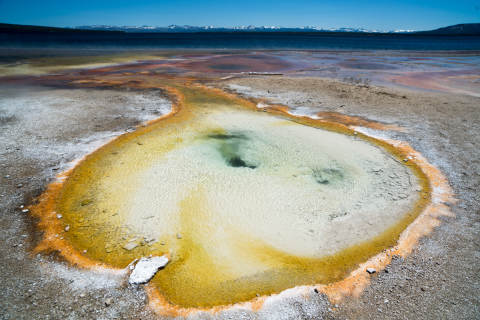
To understand what determines microbial diversity, scientists studied microbes in hot springs at three different locations around the world.
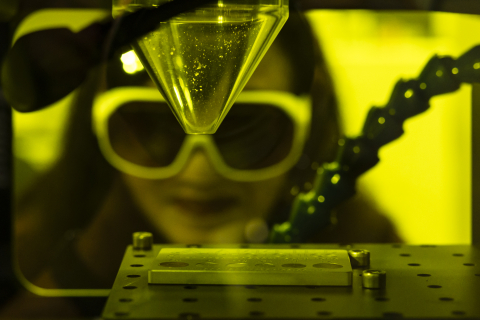
Using a unique measurement tool, researchers at Oak Ridge National Laboratory have expanded our knowledge of the elements in soil and plants.