



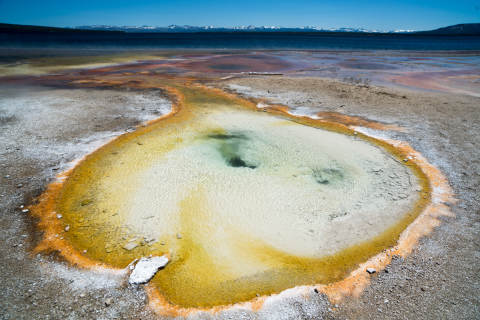
To understand what determines microbial diversity, scientists studied microbes in hot springs at three different locations around the world.
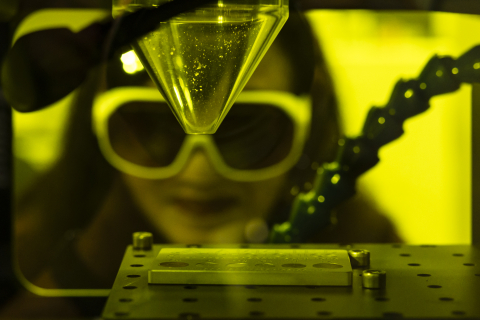
Using a unique measurement tool, researchers at Oak Ridge National Laboratory have expanded our knowledge of the elements in soil and plants.
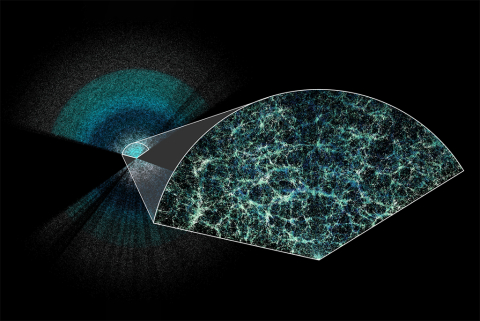
The Office of Science’s accomplishments span a variety of areas, from the world’s largest camera for astrophysics to sequencing the sugarcane genome.
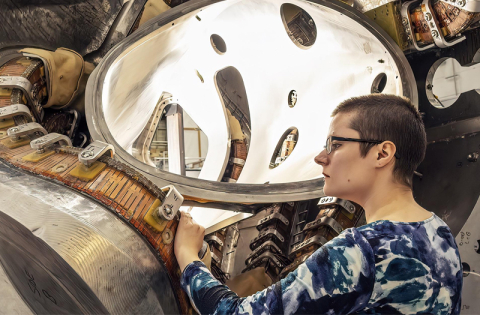
Researchers at DOE’s Princeton Plasma Physics Laboratory are using computers to improve the effectiveness of fusion devices called stellarators.
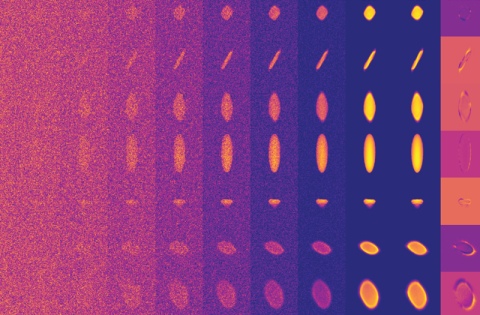
Since particle accelerators’ performance can decline over time, scientists are using machine learning to maximize accelerators’ precision.

For Halloween, we're highlighting seasonally appropriate research, from dark matter to quantum entanglement.
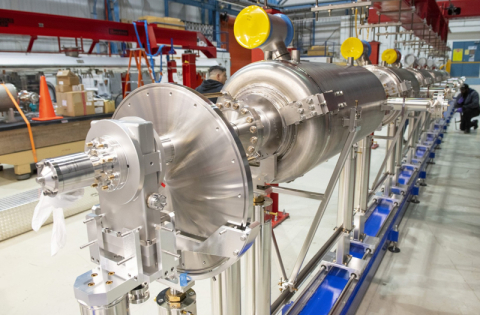
Fermilab-produced accelerator components prepare to power new high-energy particle beam.

With its excavation complete, the Deep Underground Neutrino Experiment is closer to completion and revealing new insights into neutrinos.
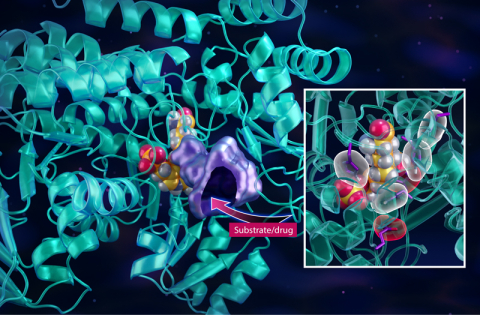
Researchers are analyzing every atom, chemical bond, and electrical charge inside a key enzyme that belongs to a metabolic pathway that cancer cells overuse to reproduce.
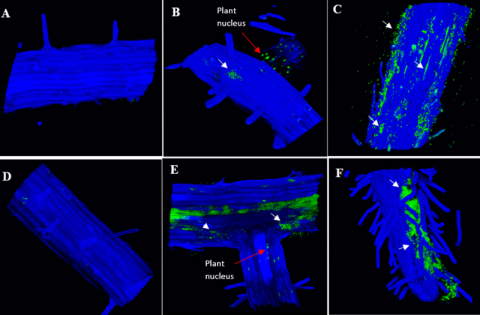
Scientists supported by the DOE’s Office of Science investigated how bacteria interact with plants’ hormones.