



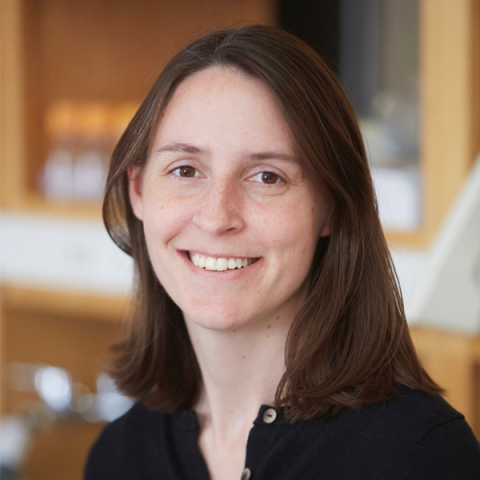
Mary Dunlop leads a team working to increase the amount of biofuel, produced by microbes, as replacements for gasoline, diesel, and jet fuel.
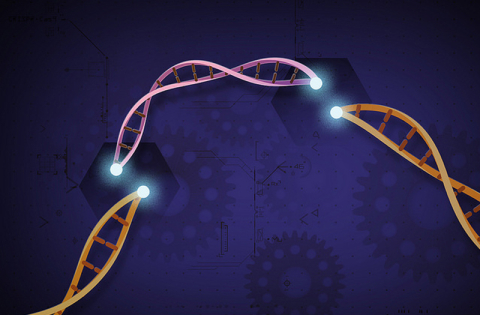
The Office of Science’s LDRD funding has fostered innovation, creativity, and even Nobel-Prize winning technologies.

Sofia Quaglioni studies thermonuclear reactions-including the nuclear reactions that power the stars and drive the evolution of our universe.

Ananth Kalyanaraman is developing scalable algorithms and software for analyzing large-scale biological and network data.
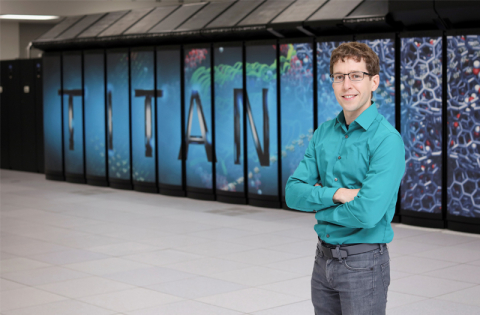
For the run-up to the 2021 National Science Bowl® Finals, this is one in a series of profiles on previous NSB competitors.
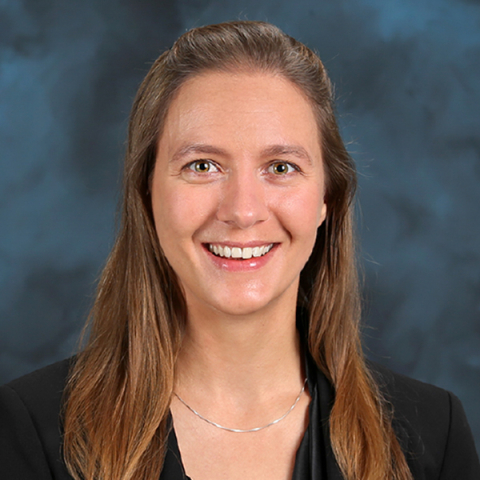
Nina Balke studies Li-ion batteries to eliminate performance bottlenecks, understand performance fade, and design better batteries.
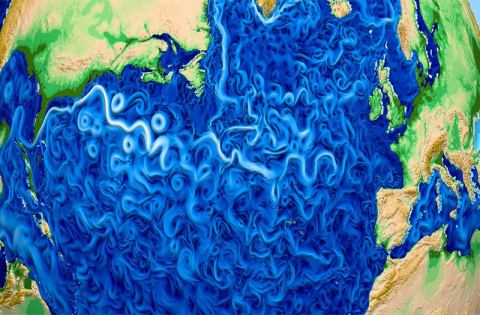
Observations and computer models of Earth’s systems supported by the Office of Science can help us better understand our planet’s past and future.
Physics professor Dan Melconian developed TAMUTRAP system, a unique tool for detecting positrons and protons from nuclear beta decay.
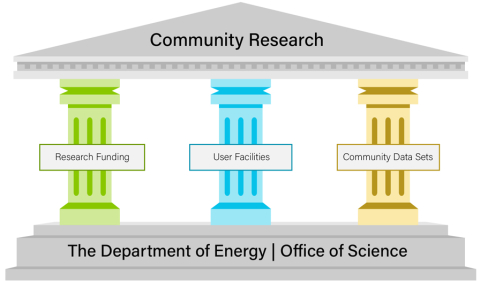
PuRe Data Resources will provide researchers with a new, world-class standard for publicly available data to advance scientific discovery.
At the University of Rochester, Arán Garcia-Bellido studies the signatures of heavy particles for answers expanding the Standard Model of Physics.