




Daniel Sinars created the first platforms and images on the world’s largest X-ray generator to be used to benchmark computational models.
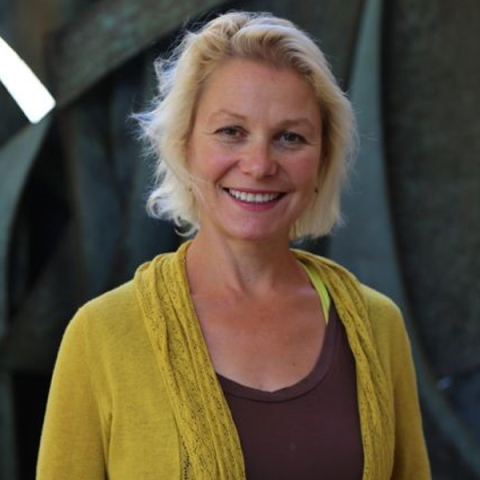
Materials scientist Julia Greer created a new approach to understand how materials in nuclear reactors can withstand radiation damage.
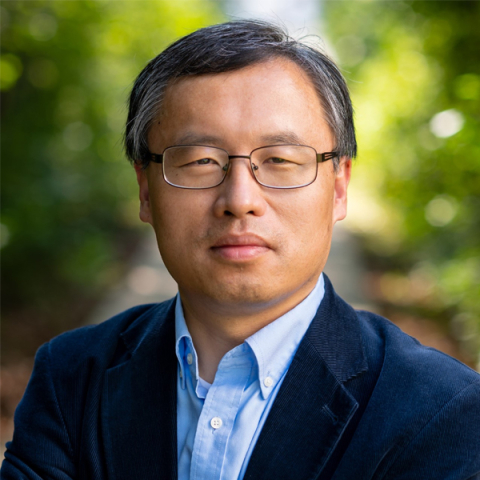
Jinlong Zhang is enhancing the selection and collection capabilities for data on the ATLAS and DAQ systems at CERN’s particle physics experiments.
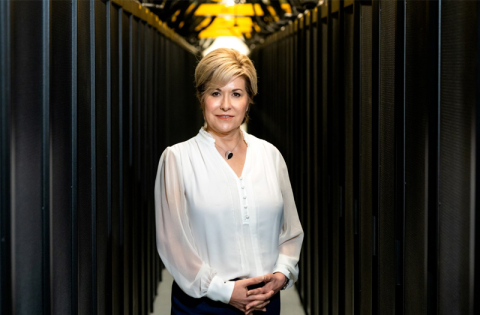
Gina Tourassi is the director of the National Center for Computational Sciences, leading world-class computing infrastructure programs and projects.
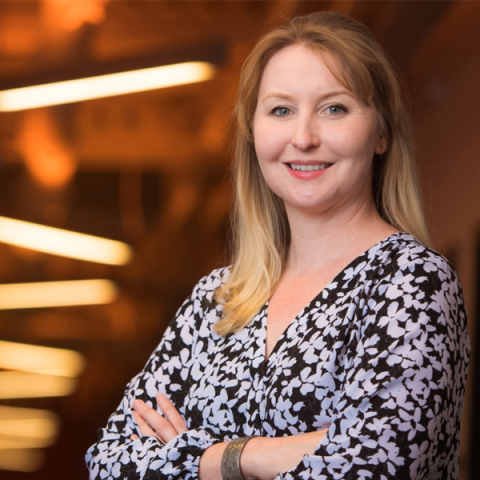
Anne White decided to work on one of the hardest and most important challenges in fusion - taming the turbulent conditions inside fusion reactors.
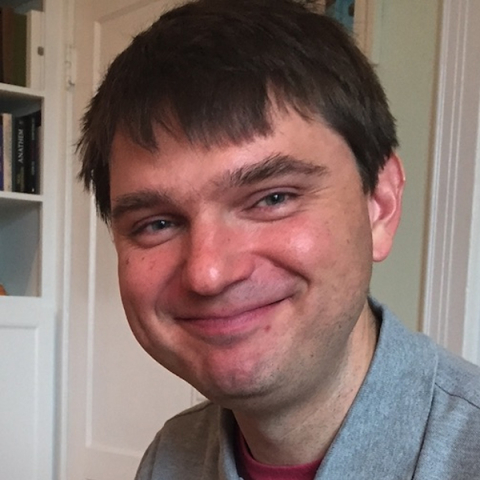
Carter Hall works with colleagues around the world to search for Big Bang relic particles.
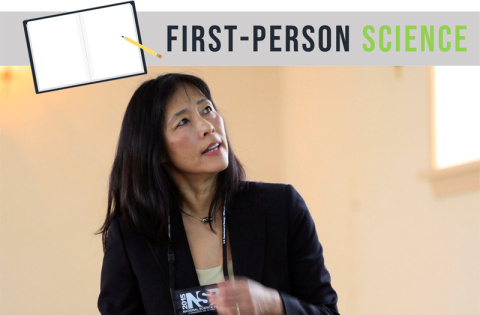
Jacqueline Chen has spent her career delving into the complex patterns and interactions of the flames that power our vehicles.
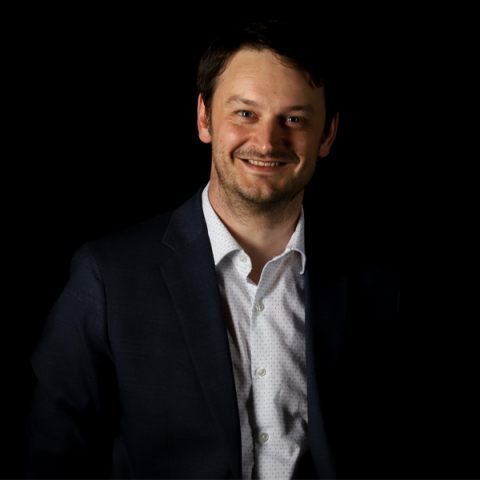
Jozef Dudek has pioneered theoretical techniques to study the subatomic particles – hadrons – which can decay into short-lived states.
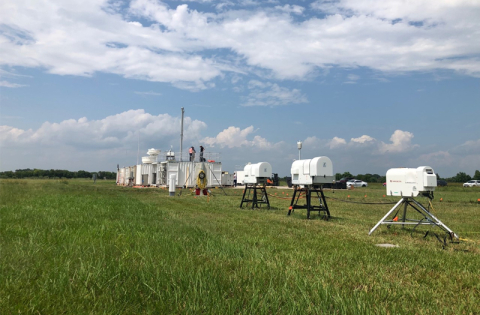
Collecting New Data on Atmospheric Particles like Pollution for Storm Forecasting and Climate Models
A mobile Office of Science observatory is tracking clouds over Houston through summer 2022.
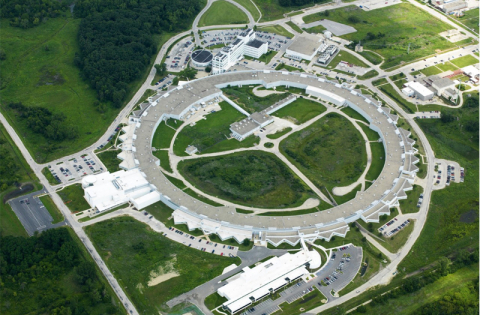
The pandemic changed how we operate our Office of Science user facilities. Now, we want to keep the best practices and innovations going forward.