



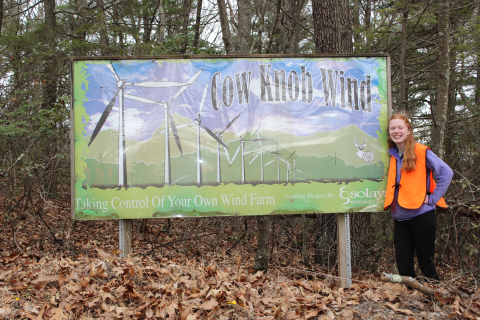
2020 James Madison University grad Jamie Mears is putting her degree and her Collegiate Wind Competition experience to work at Ørsted Onshore.
Farewell remarks from Paul M. Dabbar, Under Secretary of Science
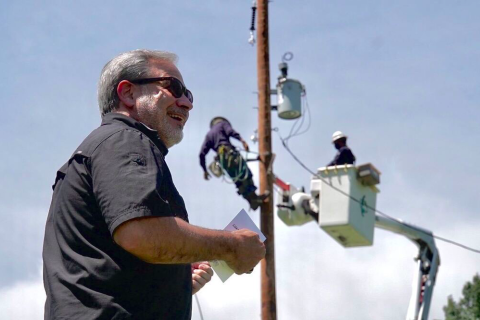
The Department of Energy is committed to supporting and empowering American workers, especially servicemembers separating from active duty.
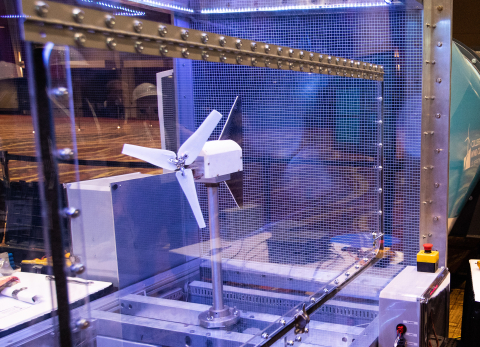
Jessica Davis is using the engineering, analysis, and project management experience she developed during the CWC to her new job in nuclear security.
This Sunday, November 8, is National STEM Day. There’s a plethora of ways to celebrate -- read on to find out more.
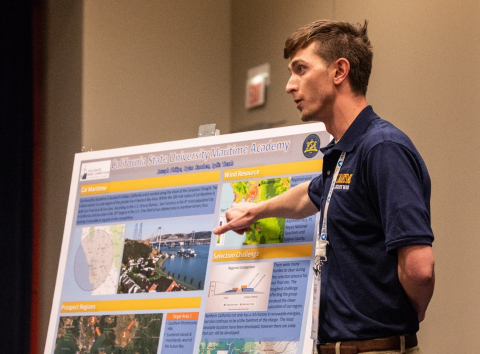
A new academic year is underway, which means a new class of college students is preparing for the 2021 DOE Collegiate Wind Competition.
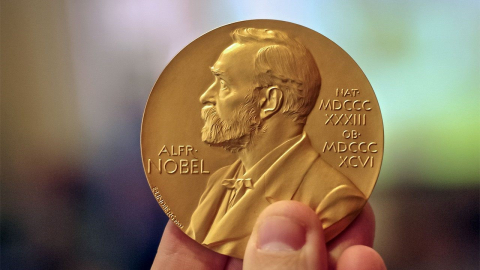
Three individuals who exemplify the best of DOE's public and private partnership have been awarded 2020 Nobel Prizes and Laureates.
STEM jobs in the Department of Energy are solving global issues.
Secretary Brouillette engaged with students and energy stakeholders and toured the Great Lakes Energy Education Center.
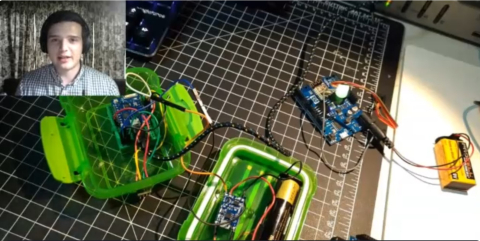
A virtual science, technology, engineering, and math camp supported by a grant from EM was conducted recently.