



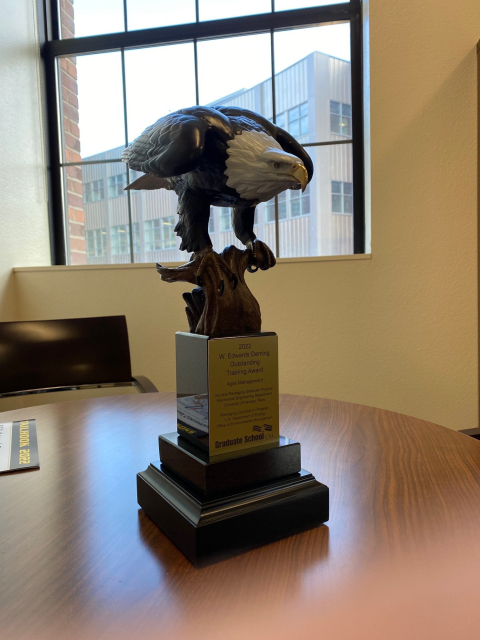
In recognition of outstanding efforts to encourage more professionals to obtain the skills needed to enter and advance in the nuclear packaging industry, EM’s Pkg Certification Prgm has been awarded the 2022 W. Edwards Deming Outstanding Training Award.
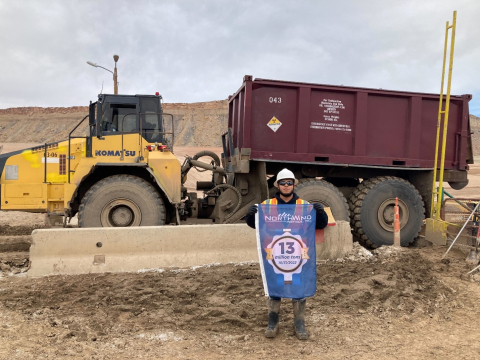
EM’s Moab UMTRA Project recently accomplished an EM 2022 priority by successfully relocating another million tons of uranium mill tailings away from the Colorado River, bringing the cumulative total to 13 million tons permanently disposed.
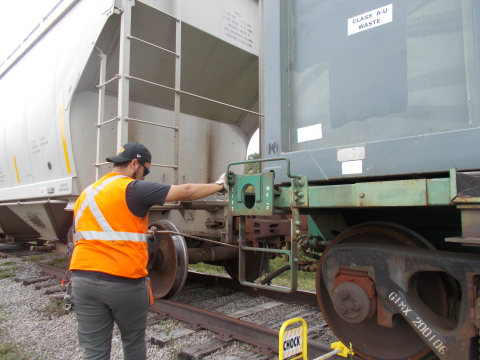
EM and its cleanup contractor at the West Valley Demonstration Project (WVDP) have successfully shipped the first 12 containers of waste from the demolition of the Main Plant Process Building by rail to a disposal facility.
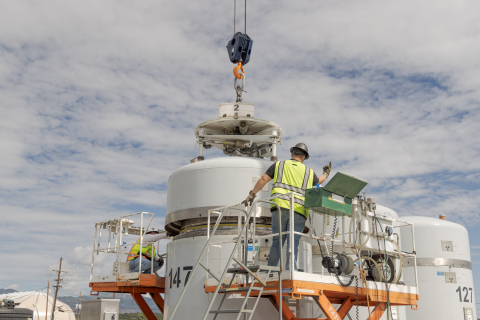
The EM Los Alamos Field Office (EM-LA) and cleanup contractor Newport News Nuclear BWXT-Los Alamos (N3B) finished fiscal year 2022 (FY22) by exceeding EM’s goals for shipping radioactive waste offsite to permanent disposal facilities.
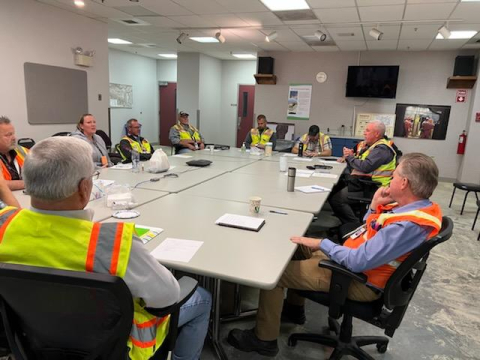
EM crews at the Idaho National Laboratory (INL) Site and Waste Isolation Pilot Plant (WIPP) jointly observed a day focused on safety last week to review transuranic (TRU) waste shipping and receipt procedures.
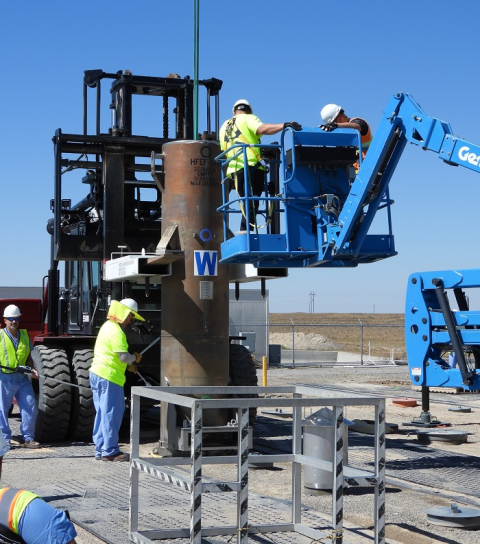
EM crews at the Idaho National Laboratory (INL) Site are making significant progress to reduce risk through two projects involving spent nuclear fuel in support of a 1995 agreement with the State of Idaho.
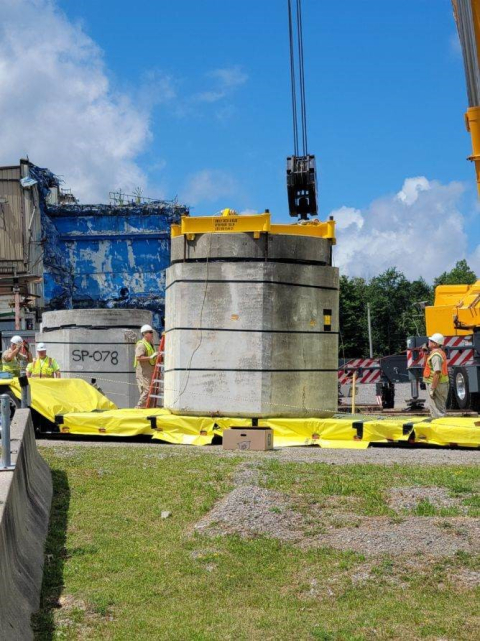
EM workers safely relocated eight concrete shielded waste containers away from a location near the Main Plant Process Building at the West Valley Demonstration Project (WVDP), clearing the way for the upcoming demolition of the facility, an EM 2022 priori
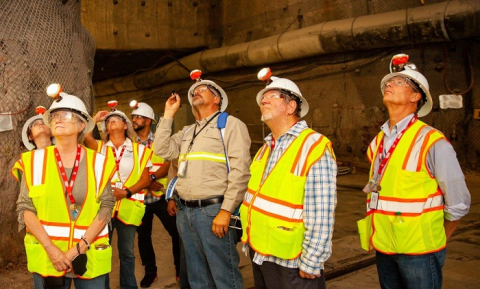
EM’s Waste Isolation Pilot Plant (WIPP) recently sponsored two community events allowing visitors from across New Mexico to visit the site and learn more about its critical national mission.

The U.S. Department of Energy (DOE) awarded two non-competitive financial assistance renewal awards totaling approximately $12 million to the New Mexico Environment Department, and the New Mexico Energy, Minerals & Natural Resources Department.
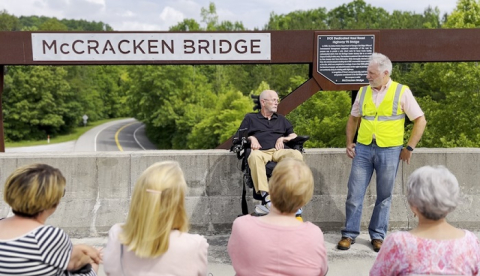
Hefty equipment passes over the Haul Road bridge in Oak Ridge. Its dark red metal stands out against the lush green East Tennessee hills.