



RSS

Stay current on wind energy news from the U.S. Department of Energy. For more detailed updates on wind energy research and development activities, breakthroughs, and resources, see our wind newsletters.
Subscribe to the WETO E-Newsletter
Stay informed by receiving the latest wind energy news, events, and updates.
New DOE report on wind energy shows distributed wind energy—wind turbines that provide power for nearby consumers—is expanding across the nation, benefiting a wide range of organizations and communities, from large corporations to remote villages.
In a new journal article, researchers at Lawrence Berkeley National Laboratory explore the potential implications of both solar and wind energy project siting patterns.
In a series of 10 articles, over 100 wind energy experts from around the world are joining forces to identify the most critical needs for wind energy advancement.
The National Renewable Energy Laboratory released two new databases of state and local wind and solar energy zoning laws and ordinances in the United States. The data is machine readable so geospatial analysts and researchers can analyze siting impacts.
DOE’s Solar Energy Technologies Office and WETO announced the Solar and Wind Grid Services and Reliability Demonstrations funding opportunity.
$26 million in funding is available to demonstrate a grid with 100% solar, wind, and storage.
DOE’s Small Business Innovation Research and Small Business Technology Transfer program awarded $137 million to American small businesses in 30 states, addressing missions primarily focused on renewable energy research and development.
The National Renewable Energy Laboratory has made a big leap forward by adding new data and capabilities to the Distributed Generation Market Demand (dGen) model.
In a new explainer video, the National Renewable Energy Laboratory (NREL) calls for a shift in mindset on curtailment, as the curtailment of wind and solar can be used to help make the grid more flexible and reliable.
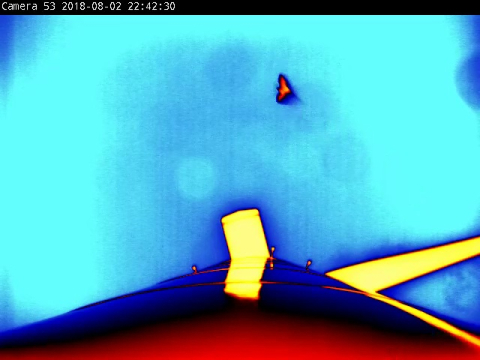
To improve our understanding of why and how bats interact with wind turbines, the National Renewable Energy Laboratory has selected three companies to receive funding through its Enabling Coexistence Options for Wind Energy and Wildlife program.