



RSS

Stay current on wind energy news from the U.S. Department of Energy. For more detailed updates on wind energy research and development activities, breakthroughs, and resources, see our wind newsletters.
Subscribe to the WETO E-Newsletter
Stay informed by receiving the latest wind energy news, events, and updates.
The U.S. Department of Energy (DOE) Solar Energy Technologies Office announced 31 teams as finalists for The Sunny Awards for Equitable Community Solar.
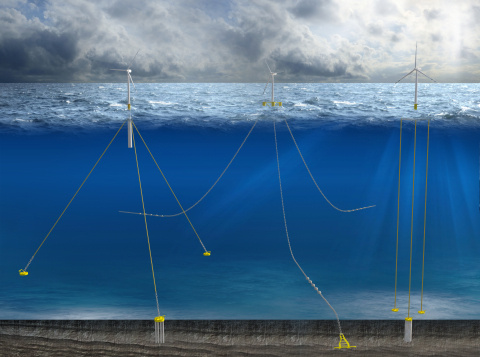
DOE Requests Information on Floating Offshore Wind Energy Mooring and Anchoring
Addressing barriers to the deployment of wind energy—including offshore, land-based, and distributed—is imperative to lowering energy costs for consumers.
It's been a good year for wind energy—and it isn't over yet. The Wind Energy Technologies Office has shared a lot of exciting news in 2022 so far, and even more is set to blow in just beyond the horizon.
A new study from Lawrence Berkeley National Laboratory published in the journal iScience uses a new methodology to predict patterns for utility-scale wind and solar energy costs and concludes that they will progressively decline in the coming years.
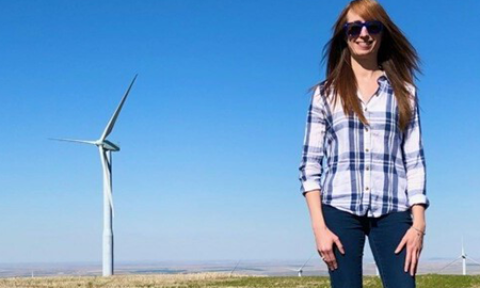
A Pacific Northwest National Laboratory researcher shares her thoughts on the evolving potential of wind energy and how future scientists can get involved.
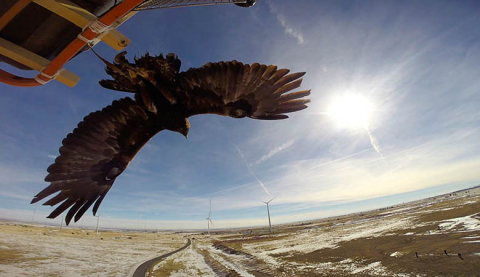
A new simulator, developed by the National Laboratory of the Rockies, allows users to model the movements of soaring raptors, such as golden eagles and bald eagles, which prefer to ride updrafts at the same altitudes as wind turbine blades.
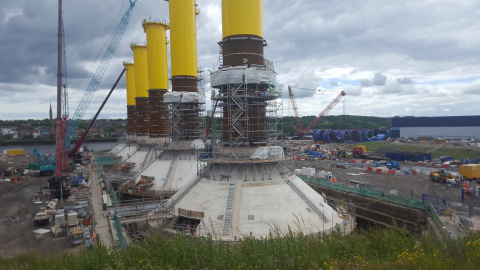
The use of concrete support structures for offshore wind turbines offers many potential advantages over towers comprised of only steel, including greater durability, a longer lifespan, increased local labor opportunities, and much quieter installations.
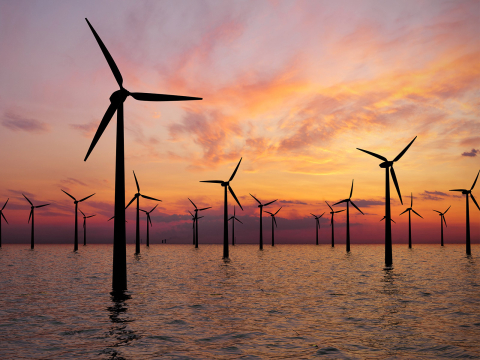
In a collaborative study published in Wind Energy Science, a team led by Pacific Northwest National Laboratory examined offshore wind energy challenges and laid out future approaches to meet them.
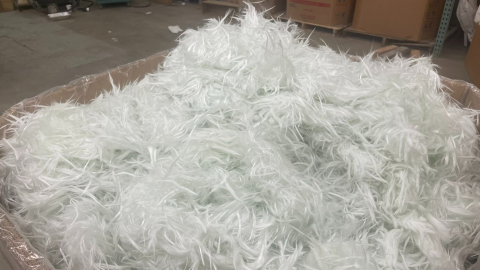
A new fiberglass recycling technology is helping to develop a reuse and recycling wind turbine economy while creating jobs and revitalizing a historic site.