



RSS


Stay current on wind energy news from the U.S. Department of Energy. For more detailed updates on wind energy research and development activities, breakthroughs, and resources, see our wind newsletters.
Subscribe to the WETO E-Newsletter
Stay informed by receiving the latest wind energy news, events, and updates.
$25 million in funding available to improve community energy resilience with solar and solar-plus-storage
After 53 years serving in the federal government, the Wind Energy Technologies Office Director Robert C. Marlay retired on March 3, 2022.
The Demand for a Domestic Offshore Wind Energy Supply Chain provides a broad summary of the components, ports, vessels, and workforce that are likely needed to achieve this target.
The Solar Energy Innovators Program has seen success in providing valuable real-world experience for fellows and provides institutions with capacity to implement ideas that support the clean energy transition.
$10 million in funding available for research on solar-wildlife interactions and ecosystem benefits.
The Numerical Manufacturing and Design tool and FLOw Redirection and Induction in Steady State version 3.0 have received important upgrades.
Over the past decade, the wind fleet’s average capacity factor has increased substantially. Researchers have been debating how much of the improvement should be credited to technology versus increasing wind speeds.
We need your help to commercialize national laboratory intellectual property faster to meet the major challenges we face as a nation and in the world today.
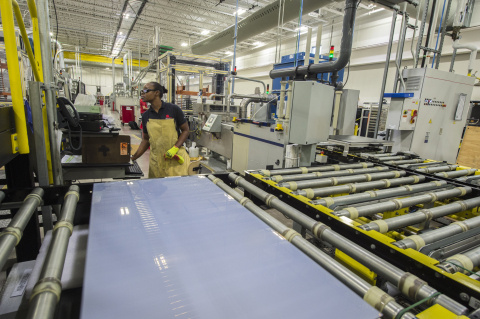
The U.S. Department of Energy (DOE) Solar Energy Technologies Office released the Solar Photovoltaics Supply Chain Review report, which explores the global solar photovoltaics supply chain and opportunities for developing U.S. solar manufacturing .
SETO awardee, Hyperlight Energy, to launch a new solar-thermal processing plant at a Saputo Cheese production facility in California.