



RSS

Stay current on wind energy news from the U.S. Department of Energy. For more detailed updates on wind energy research and development activities, breakthroughs, and resources, see our wind newsletters.
Subscribe to the WETO E-Newsletter
Stay informed by receiving the latest wind energy news, events, and updates.
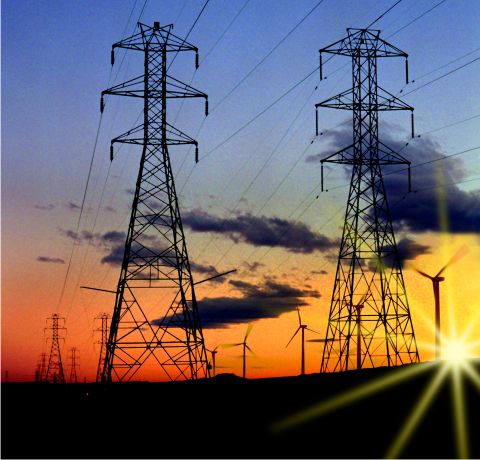
Researchers from NREL and GE have developed and demonstrated the world’s first turbine that can jump-start the grid during a blackout or operate without the power grid.
DOE national labs and industry partner Vestas published a report discussing how 3-D printing may hold promise for producing specific wind energy components.
NREL and Sandia National Laboratories are partnering with GE to collect field measurements of a 2.8-MW land-based wind turbine operating in Texas. Data collected will help researchers enable more efficient capture of wind resources.
R&D World magazine has recognized three WETO-supported projects for its 2021 R&D 100 awards, which celebrate products and technologies that are considered innovative disruptors and revolutionary ideas in science and technology.
National lab study will study will evaluate multiple pathways to OSW goals through coordinated transmission solutions along the Atlantic in the near-term (2030) and long-term (2050), under various generation mix and load futures.
The U.S. Department announced the American-Made Challenges Perovskite Startup Prize finalist and launched the American-Made Challenges Solar Forecasting Prize.
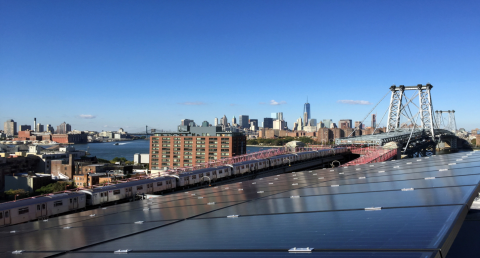
If you want to power your home with clean energy and lower your electricity bills, but live in an apartment or multifamily home, don’t own your roof, or your roof isn’t suitable for a solar energy system, you can subscribe to a community solar project.
This DOE literature review summarizes publicly available transmission analyses on the Atlantic Coast, as well as gaps in such analyses, in order to improve understanding of offshore wind transmission options.
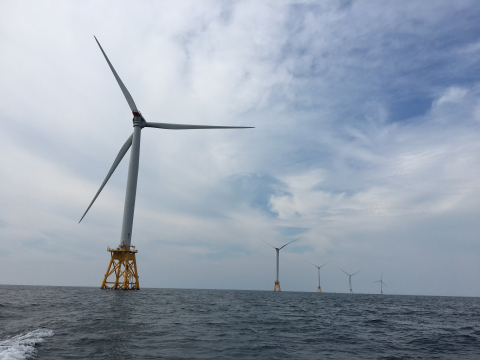
The NOWRDC supports research to accelerate the U.S. offshore wind energy industry. Now, with 40 offshore wind R&D awards issued—totaling $28.3 million across 25 states—the organization is driving critical innovation in U.S. offshore wind.
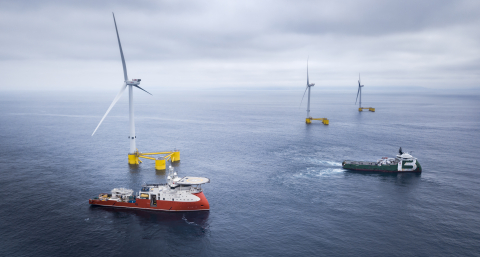
As wind turbines and plant sizes grow, is there a point at which costs plateau? Researchers analyze the avg cost per megawatt to develop and maintain offshore wind plants—and how these could change if trends toward larger turbines and plants continue.