



The Solar Energy Technologies Office’s Solar Blog features stories about the office, its awardees, and its work. Learn more.
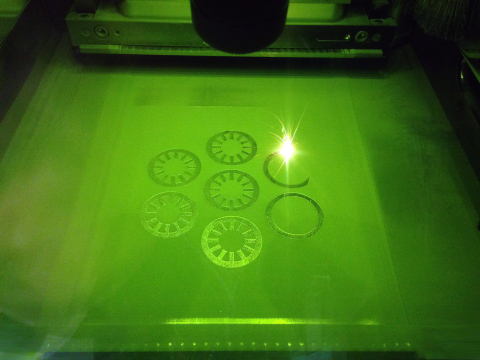
DOE’s Oak Ridge National Laboratory and National Renewable Energy Laboratory have published a study as part of the MADE3D initiative, highlighting 3D printing of magnetic components for large electrical machines like wind turbines.
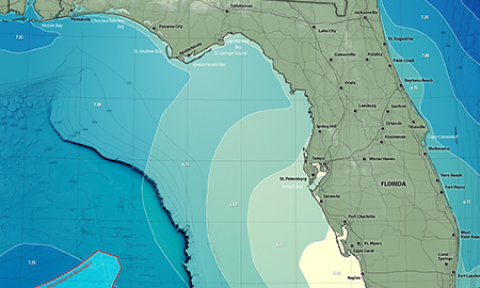
New land-based maps are available for Missouri and Tennessee, and new offshore maps are available for Texas-Louisiana, North Carolina-South Carolina, and Mississippi-Alabama-Georgia-Florida.
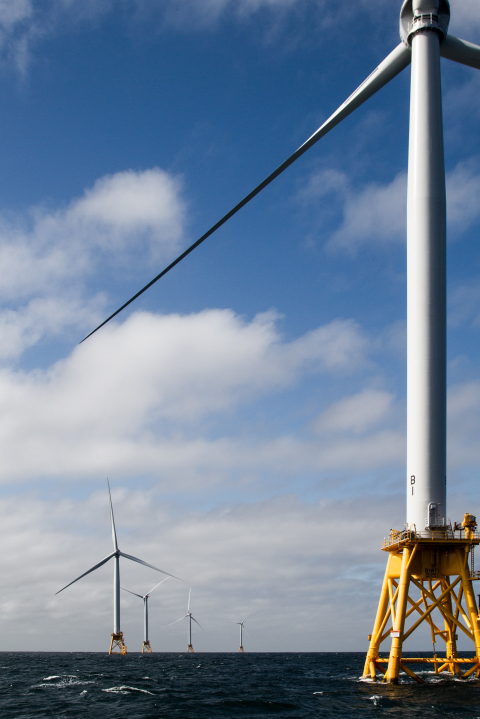
The National Offshore Wind R&D Consortium has announced six new projects to support supply chain efficiency, asset monitoring, and inspection.
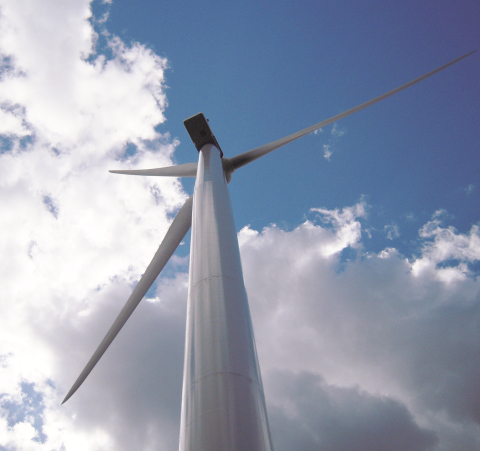
WETO has released phase I findings for its Big Adaptive Rotor project, studying large blades for low-specific-power wind turbines.
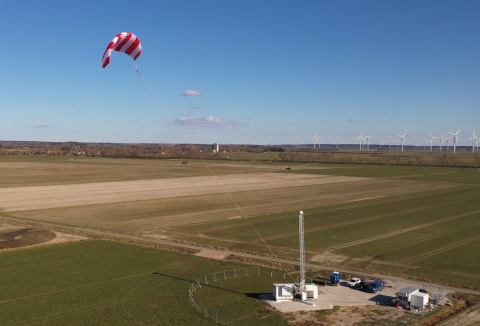
This report assesses the potential for, and technical viability of, airborne wind energy (AWE) in the US. Findings include data on the resource potential of wind energy available to AWE systems and what’s needed for AWE to deploy at meaningful scales.
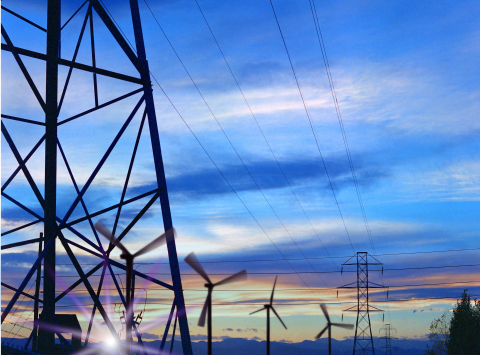
Researchers from Idaho National Laboratory recently appeared on the Hack the Plant podcast to discuss wind cybersecurity. In the December 6 episode, the team discussed why wind-specific cybersecurity is important and what the major challenges are.
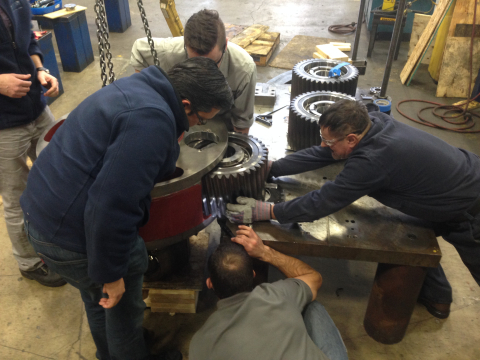
DOE has issued a request for information to help build a more diverse, resilient, and competitive U.S.-based energy supply chain.
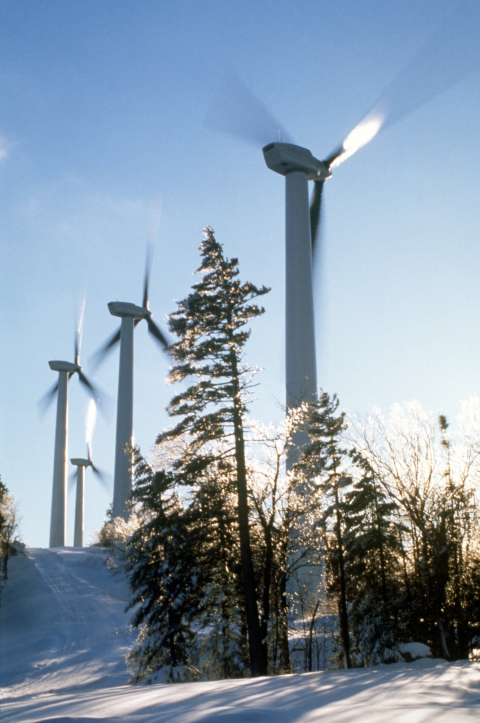
As 2021 draws to a close, the Wind Energy Technologies Office (WETO) is reflecting on our R&D, recent achievements, and recognitions, and getting ramped up for a new year of possibilities for wind energy.

The team that pioneered community solar at the New York City Housing Authority’s (NYCHA) Queensbridge Houses worked together to overcome challenges and ensure access to the benefits of community solar.

Joining with other people who also want to go solar can result in saved money through the bulk purchase of solar systems.
Subscribe to the Solar Energy Technologies Office Newsletter