



RSS

Below are stories about research efforts featured by U.S. Department of Energy (DOE) Integrated Energy Systems Office.
Subscribe to the IESO E-Newsletter
Subscribe to the IESO e-newsletter to stay informed on the latest wind energy news, events, publications, and updates.
WETO announced funding for 6 small businesses working to accelerate wind energy Research and Development
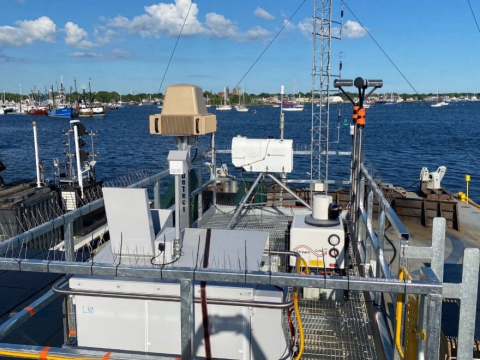
DOE is collaborating on an 18-month initiative to gather extensive weather, ocean, and wildlife data near the sites of active offshore wind farms and lease areas off the coast of the Northeast United States.
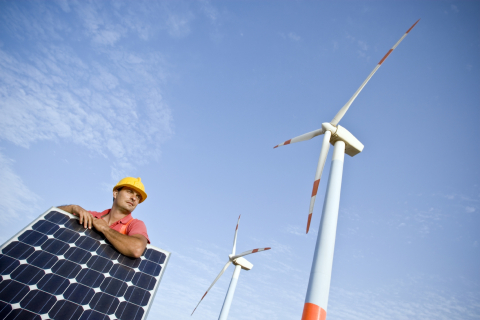
In 2022 alone, wind and solar generation provided environmental and health benefits valued at 14.3¢/kWh and 10.0¢/kWh, respectively, and helped prevent 1,200 to 1,600 premature deaths in the United States.
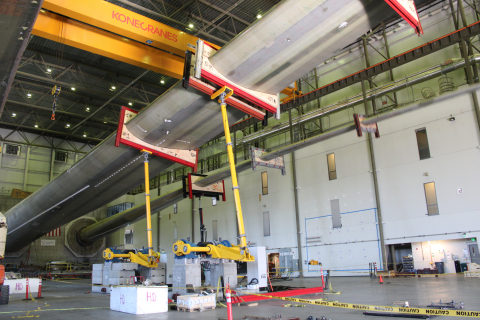
Thanks to funding from the Wind Energy Technologies Office, the Massachusetts Renewable Energy Center’s Wind Technology Testing Center (WTTC) is testing next-generation wind turbine blades.
With support from the U.S. Department of Energy’s Wind Energy Technologies Office, the National Renewable Energy Laboratory is helping grid operators and equipment manufacturers successfully adapt to national energy addition using the Grid Impedance Scan Tool.
An Idaho National Laboratory report takes the first comprehensive look at cyberattack risks that could jeopardize U.S. wind energy systems and real-world events that have affected wind energy systems and organizations around the world.
WETO released a roadmap assessing current practices, and future challenges and needs for operating and maintaining U.S. offshore wind farms, as well as specific recommendations for technology innovations that could help address the identified needs and gaps.
The Office of Manufacturing and Energy Supply Chains requests information on renewable energy supply chain data and analysis methods.
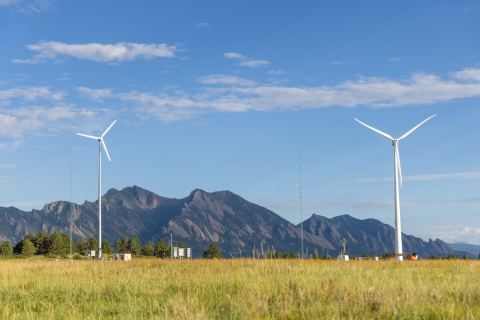
The Wind Resource Database is an online tool that captures information about atmospheric forces that affect how wind turbines perform and how much energy they capture.
The DOE-NASA Mod-Series Wind Turbine Program precedes the modern wind energy industry in the United States. For over two decades, with five distinct models built, the program helped shape a cost-competitive wind energy industry through funding and R&D.