



RSS




Below are stories about grid integration and transmission featured by the U.S. Department of Energy (DOE) Wind Energy Technologies Office.
Subscribe to the WETO E-Newsletter
Subscribe to the WETO e-newsletter to stay informed on the latest wind energy news, events, publications, and updates.
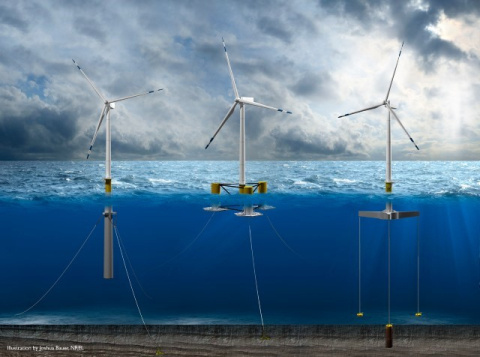
The U.S. Departments of Energy, the Interior, Transportation, and Commerce will host the first-ever Floating Offshore Wind Shot Summit to discuss this ambitious initiative to reduce the cost of floating offshore wind energy.
The Department of Energy’s Wind Energy Technologies Office releases a $28 million funding opportunity that will address wind deployment barriers.
Addressing barriers to the deployment of wind energy—including offshore, land-based, and distributed—is imperative to lowering energy costs for consumers.
The National Offshore Wind Research and Development Consortium (NOWRDC), which was established with funding from the U.S. Department of Energy (DOE), has selected five new projects to receive a total of $3.5 million for ocean coexistence and transmission.
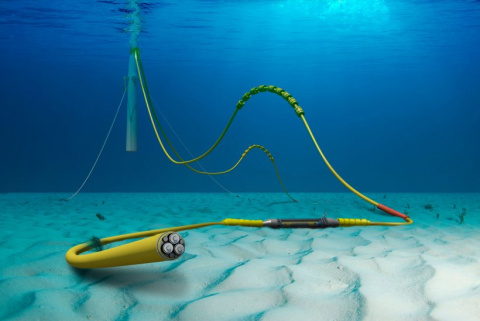
DOE’s Pacific Northwest National Laboratory (PNNL) will conduct a literature review of West Coast offshore wind transmission research to date, covering potential interconnections along California, Oregon, and Washington coastlines.
Bharat contributes to the Atlantic Offshore Wind Integration Study which focuses on the reliability and resilience of wind in the power system.
DOE’s Solar Energy Technologies Office and WETO announced the Solar and Wind Grid Services and Reliability Demonstrations funding opportunity.
The National Renewable Energy Laboratory has made a big leap forward by adding new data and capabilities to the Distributed Generation Market Demand (dGen) model.
In a new explainer video, the National Renewable Energy Laboratory (NREL) calls for a shift in mindset on curtailment, as the curtailment of wind and solar can be used to help make the grid more flexible and reliable.
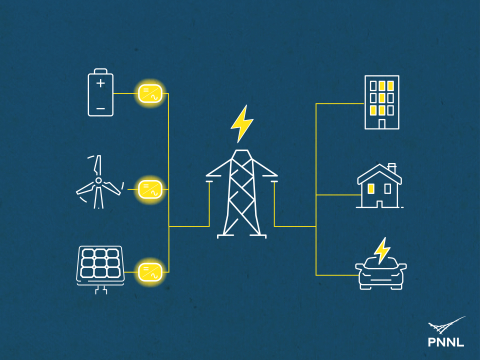
PNNL researchers developed a new computer model of a device that acts like a translator, enabling renewable power sources like wind and solar to provide electricity to the grid while increasing system resiliency and stability.