



RSS
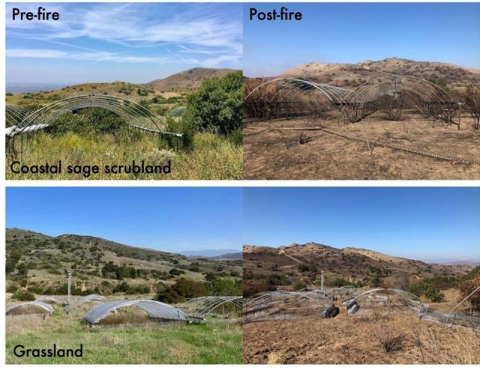


Research finds that the effects of drought and wildfire on soil bacterial communities fade in deeper soils.
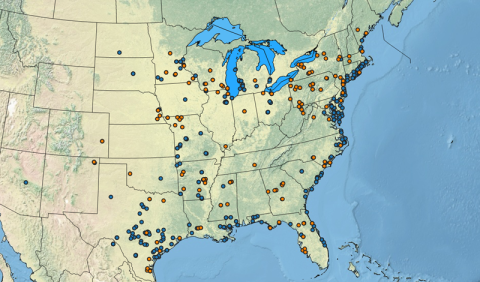
Varieties of switchgrass with different numbers of genome copies use different strategies in adapting to changes in climate and location.
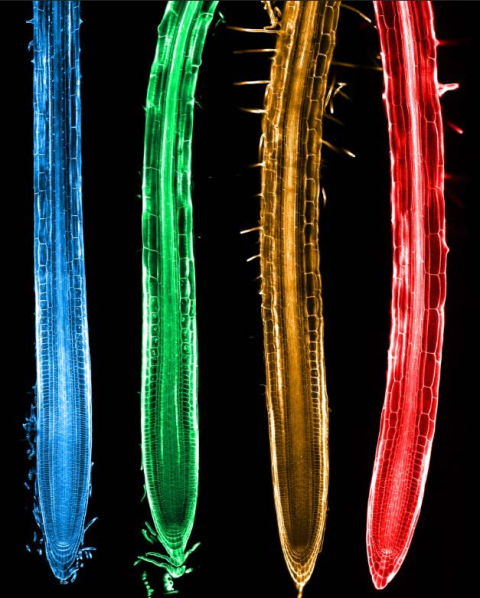
Comparative genomics reveals physical differences in how a stress hormone regulates growth in plants that can survive extreme environmental conditions.
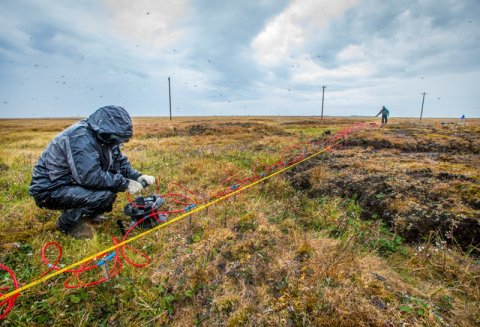
Monitoring data find that small spatial differences in snow cover, vegetation, and other factors shape how permafrost thaws.
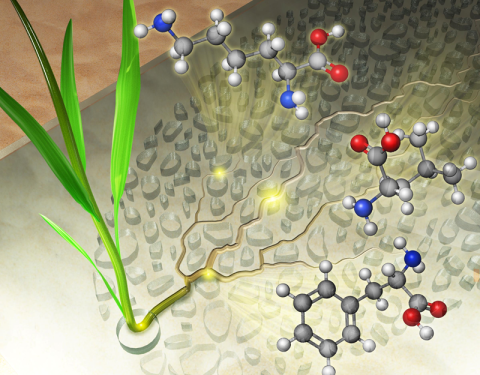
The rhizosphere-on-a-chip offers an easier way to study a plant’s influence underground.
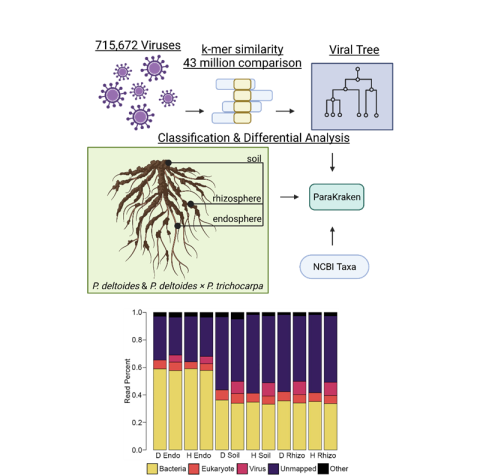
Researchers leverage viruses identified from worldwide environmental samples to expand knowledge of viral taxa and their role in tree microbiomes.
A bottom-up approach quantifies the contributions of human-caused heating from building energy use during extreme heat events.
Computational work uses a Chicago neighborhood to understand and quantify climate effects on building energy use from changes in urban design.
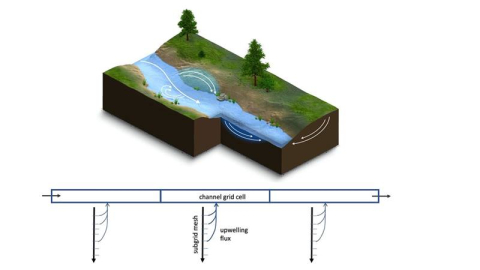
A new way of representing river-groundwater exchanges paves the way for next-generation river network modeling.
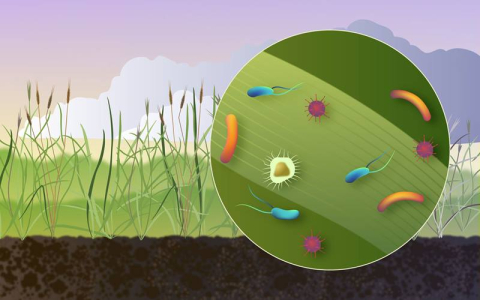
Researchers find that fungal spores are most abundant during initial growth, while bacteria predominate during flowering and fruit development.