



RSS
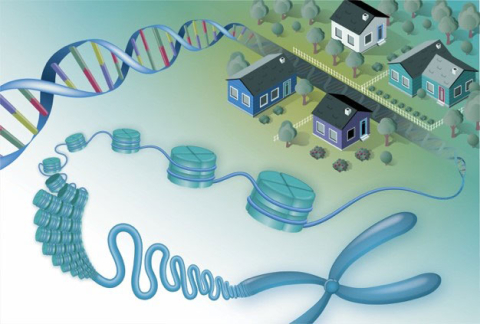


Conserved genomic neighborhoods provide a new discovery tool for understanding gene function in eukaryotes.
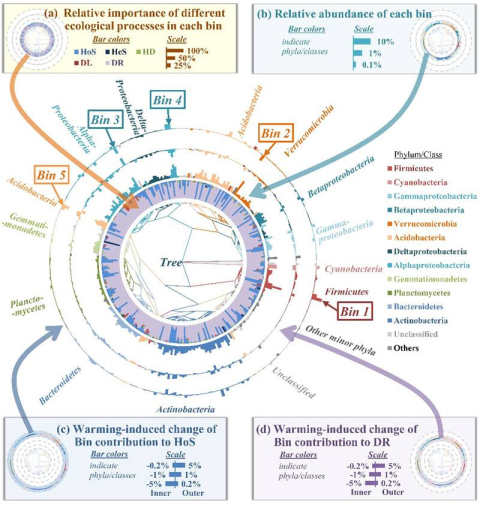
A novel computational framework allows researchers to quantify the relative importance of different ecological processes in the composition of microbiomes.
New analysis assesses the realism and biases of tropical cyclones at various resolutions in E3SM
Natural emissions from living organisms drive new-particle formation in the atmosphere over the Amazon.
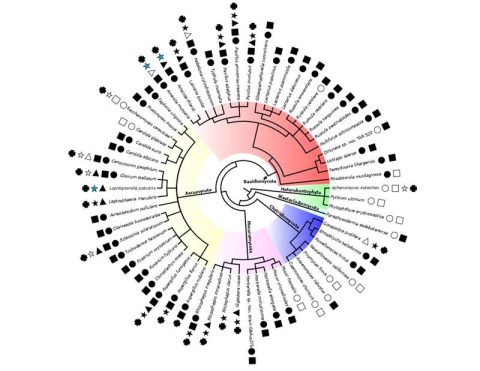
A unique symbiotic signal is more common among microbes than previously believed and causes unexpected behaviors in pathogenic fungi.
Predictive models indicate cells regulate enzyme activity to maintain liquid center.
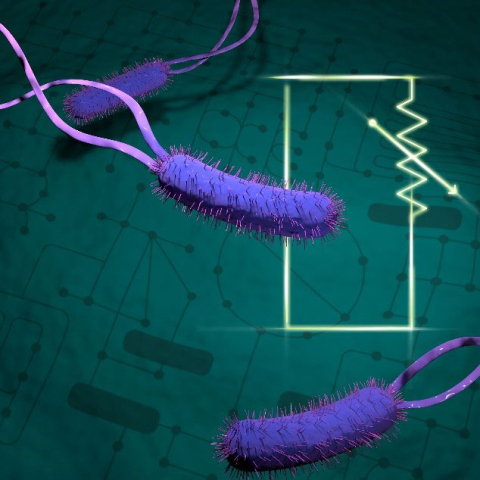
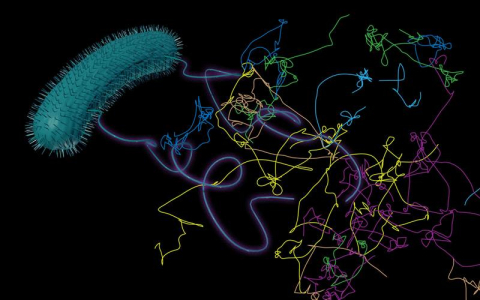
A new study seeks to improve reactive transport models by more accurately factoring in how bacteria move in groundwater.
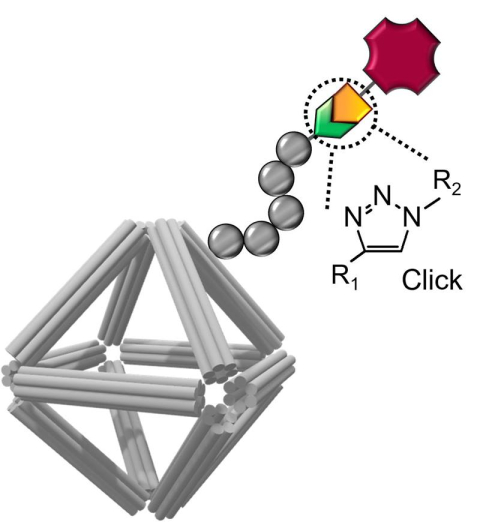
A new approach to functional and physiologically stable DNA origami for biomedical applications.
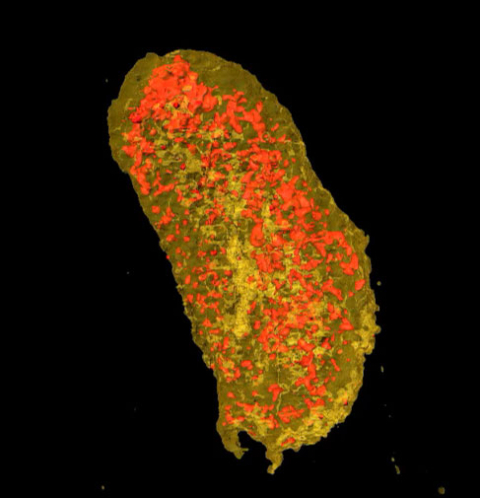
Scientists use X-ray-sensitive tags to see protein molecules in cells, opening new doors for studies in health, medicine, and bioenergy.
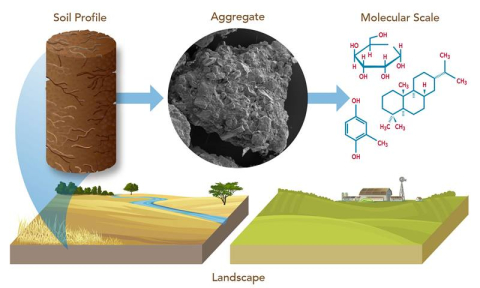
Microbiome & soil chemistry at bioenergy research sites challenge idea that switchgrass increases carbon accrual in surface soils on marginal lands.