



RSS
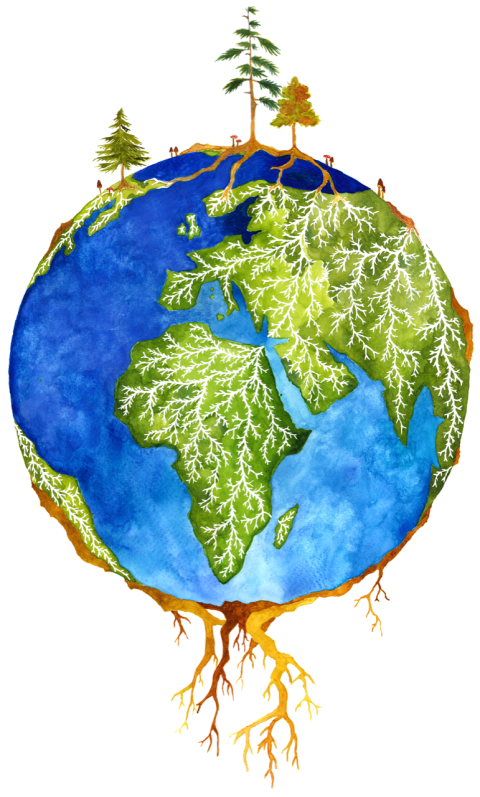
Forest trees establish symbiotic relationships with microbes depending on how the climate determines the rate of soil organic matter decomposition.
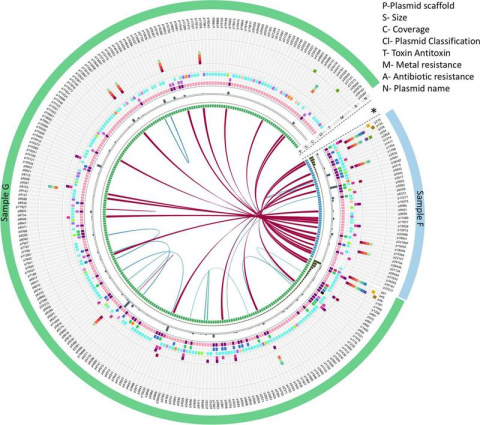
Ground water microbes living outside a contaminated area contain mobile genetic elements that provide them resistance to heavy metals.
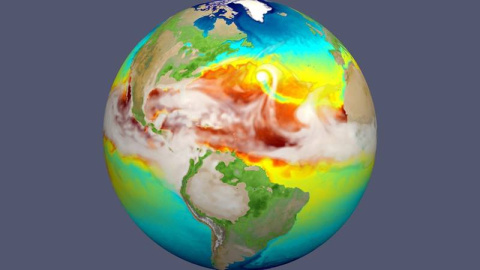
Scientists use supercomputers to determine how reliably a popular Earth system model represents precipitation regionally and globally.
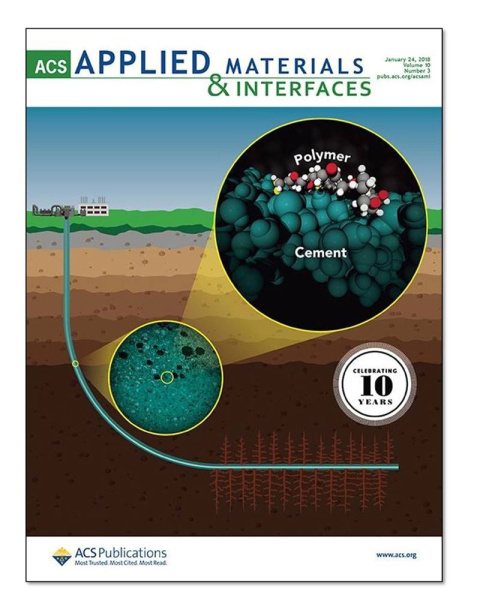
A first-of-its-kind computer simulation reveals self-healing cement for geothermal and oil and gas wells performs better than originally thought.
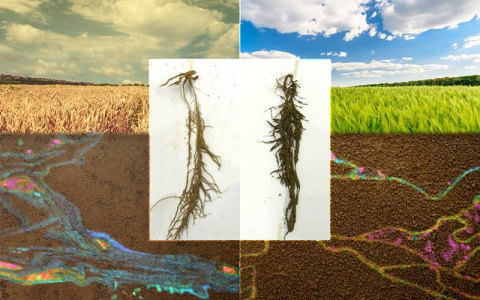
Even a single species of bacteria can positively affect soils and plants, improving and even enabling agriculture in semi-arid areas.
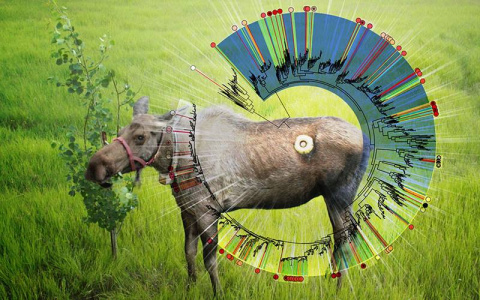
First-of-a-kind study advances understanding of microbial and viral communities involved in biomass breakdown.
Scientists reveal the importance of an amino acid that supplies energy and protection for microbial communities deep underground.
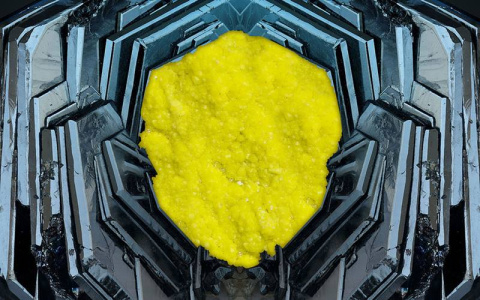
An atomic view of how toxic uranium binds to iron minerals in the environment enables better predictions of its behavior.
Adding glucose to a green microalga culture induces accumulation of fatty acids and other valuable bioproducts.
A pioneering study on how microbes work could advance models of frequently flooded soil’s elements and nutrients.