



RSS



The data system will allow for more detailed, consistent, and up-to-date global emissions trends that will aid in understanding aerosol effects.
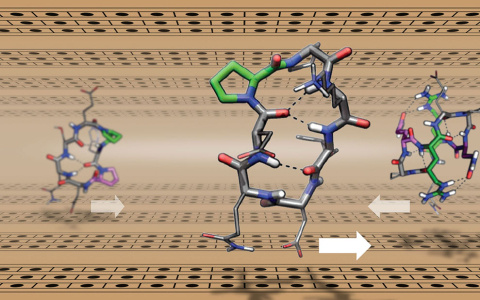
New insights into molecular-level processes could help prevent corrosion and improve catalytic conversion.
Scientists discover key types of microbes that degrade organic matter and release carbon dioxide and methane into the atmosphere.
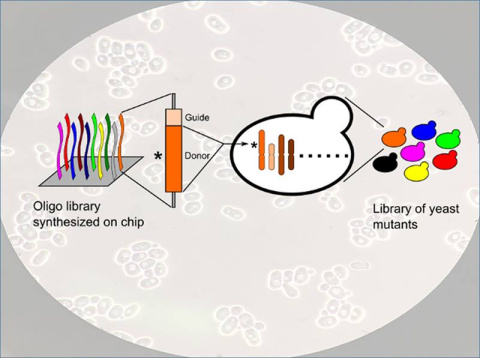
Researchers can precisely study how different genes affect key properties in a yeast used industrially to produce fuel and chemicals.
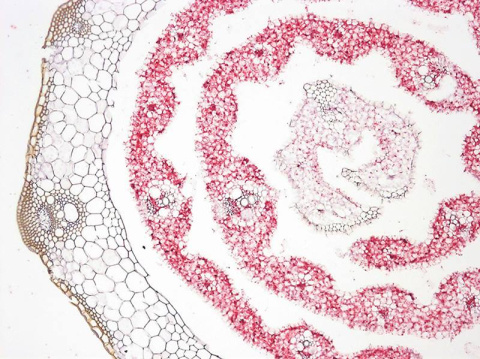
Identified genes involved in plant cell wall polysaccharide production and restructuring could aid in engineering bioenergy crops.
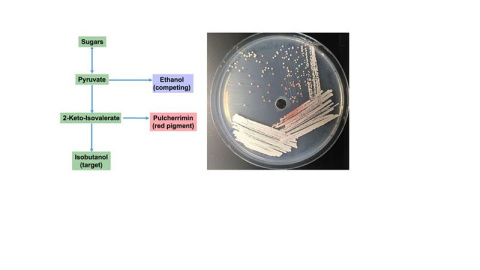
How yeast partition carbon into a metabolite may offer insights into boosting production for biofuels.
Scientists from the University of Washington, Stanford University, and the Pacific Northwest National Laboratory (PNNL) created a computational
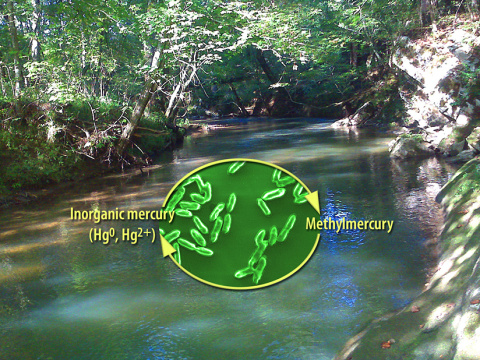
Mercury is a toxic element that occurs naturally and as an anthropogenic pollutant in the environment. The neurotoxin monomethylmercury (MMHg) is a
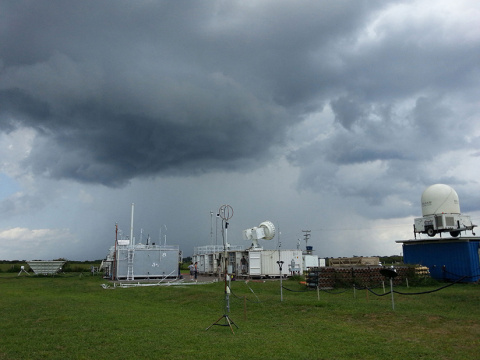
The biggest challenge in unraveling the effect of aerosols on clouds and climate is isolating their effects from changes due to other environmental
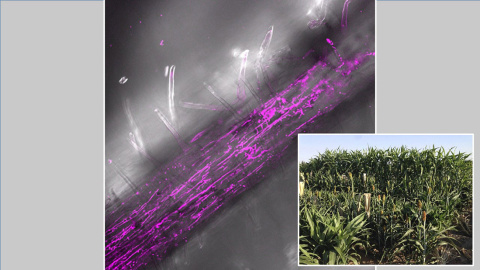
Drought stress can greatly reduce the health and productivity of plants, including candidate bioenergy feedstocks such as sorghum. Microbial