



Cleanup crews have made significant progress reducing the Cold War footprint at the Savannah River Site as they deactivate surplus analytical laboratory facilities. April 7, 2026
Office of Environmental Management
April 7, 2026 Estimated Read Time min
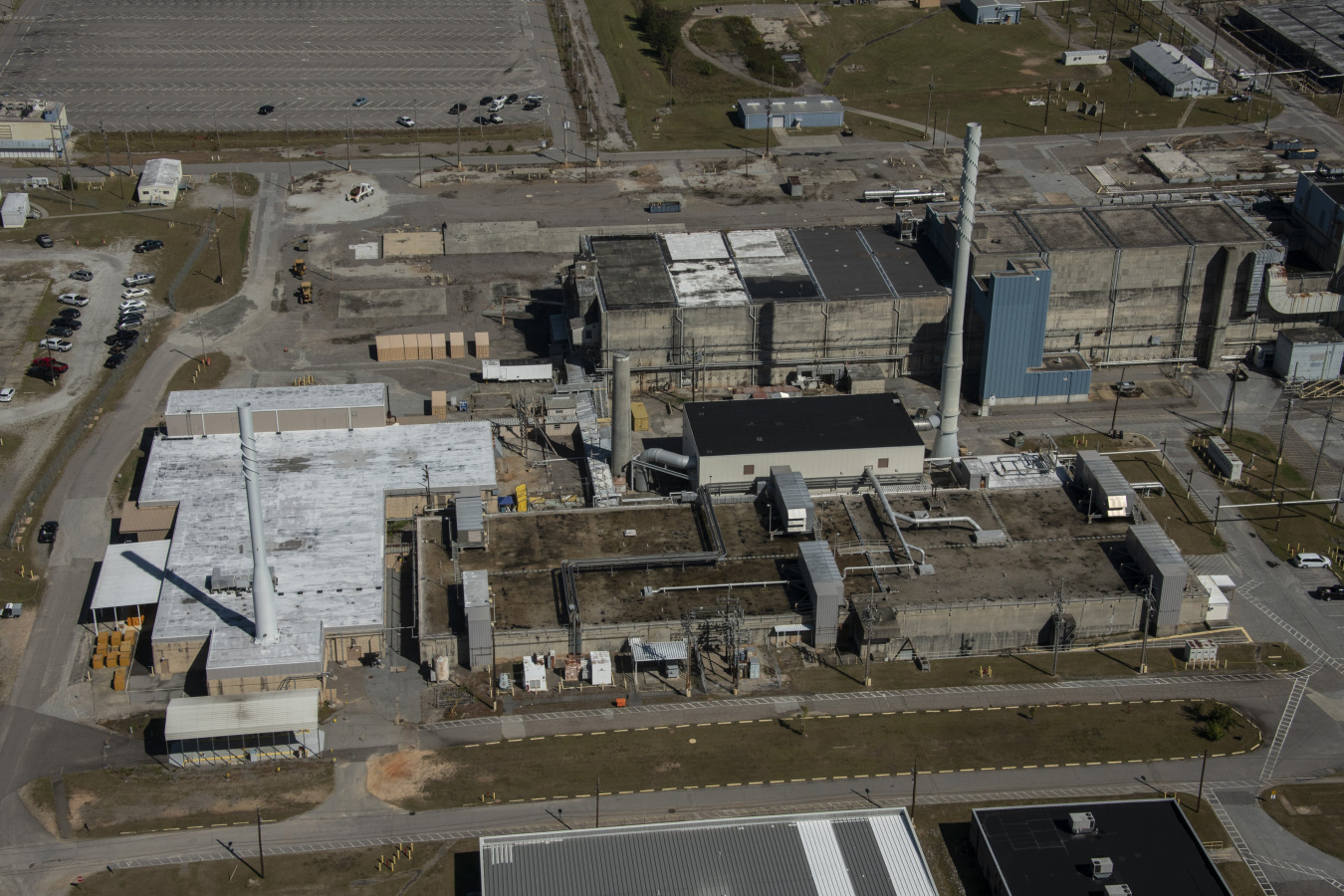
A view of surplus analytical laboratory facilities undergoing deactivation at the Savannah River Site. Cleanup crews have so far deactivated all of the laboratory rooms, including over 300 chemical and radiological containment units previously used for analytical process.
AIKEN, S.C. — Cleanup crews have made significant progress reducing the Cold War footprint at the Savannah River Site as they deactivate surplus analytical laboratory facilities.
Deactivation prepares the buildings for long-term safe storage, an end state relatively free of nonradiological hazards, with reduced, stable radiological hazards, requiring minimal surveillance and maintenance, thereby lowering taxpayer costs. Deactivation of the facilities is scheduled for completion in fiscal year 2027.
The surplus facilities, Buildings 772-F and 772-1F, were used to analyze radiological and nonradiological samples from the mid-1950s to 2021. The buildings were no longer needed after those analytical operations transitioned to Savannah River National Laboratory’s (SRNL) main facilities, several miles away, in 2021. That move streamlined capabilities, reduced costs and allowed for deactivation and decommissioning of the buildings and structures. SRNL is the sole national laboratory sponsored by the U.S. Department of Energy Office of Environmental Management (EM).
“We are proud of the progress we have made so far in deactivation of these facilities,” said F/H Laboratory Deactivation Project Manager Trey Gilland for Savannah River Nuclear Solutions (SRNS), the site’s prime contractor. “So far, we have deactivated all of the laboratory rooms, including over 300 chemical and radiological containment units previously used for analytical process, and 23 of 37 zones identified in the deactivation project plan are deactivated. We remain committed to completing deactivation and moving one step closer to decommissioning.”
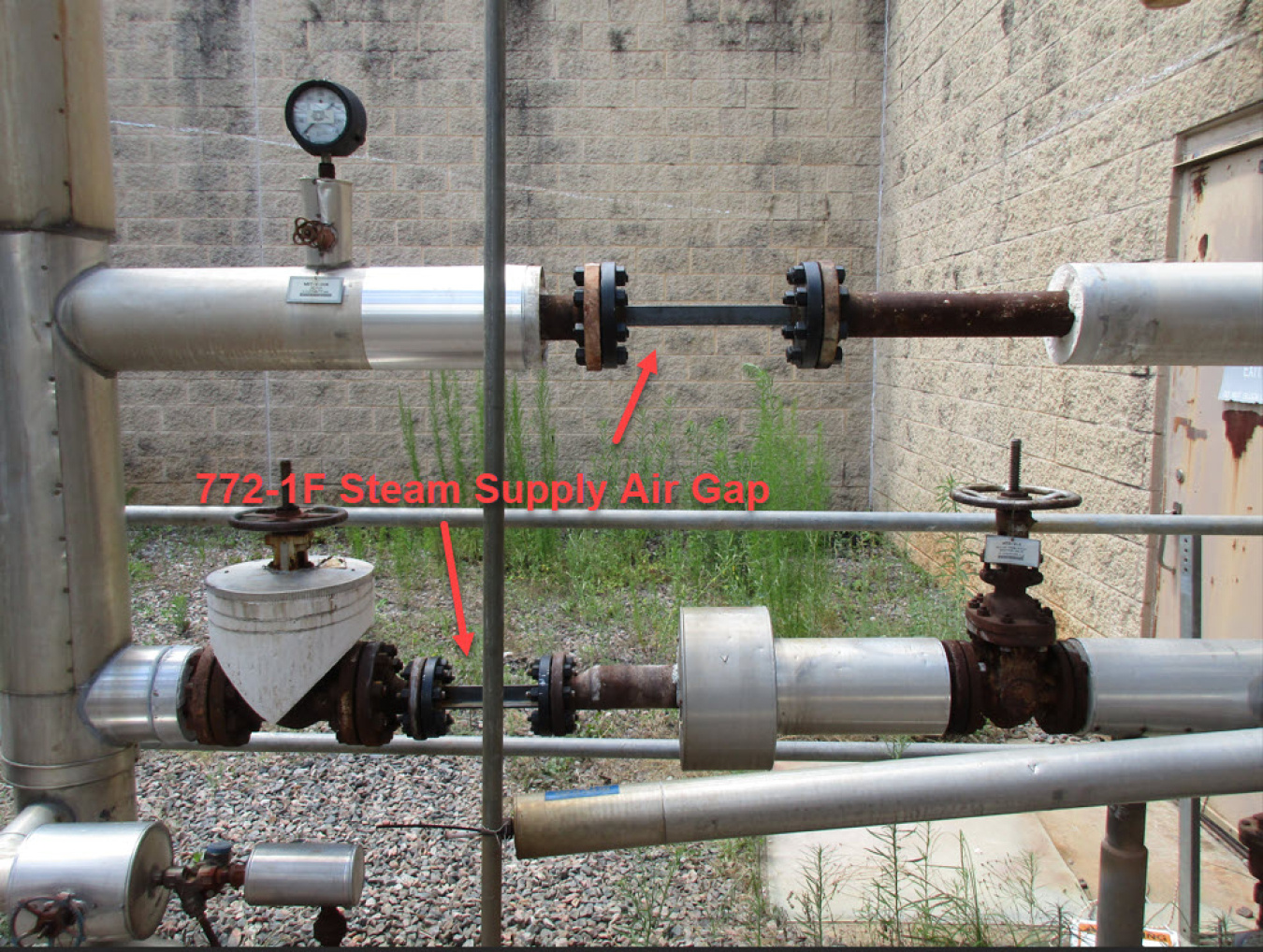
In 2024, a team deactivating surplus analytical laboratory facilities isolated steam and water from buildings that once housed nuclear materials by using air gaps in the steam and water lines. This ensures hazards are properly eliminated to prepare for facility decommissioning.
SRNS saved more than $4 million in utility costs after evaluating potential cost reductions in the deactivation project. Those savings went to further accelerate the deactivation work.
The deactivation team determined that work schedules and durations of work could be adjusted to allow for personnel to only work during the warmest and coldest periods of day, depending on the season. The team also found that use of steam to heat Building 772-1F could be restricted to the coldest four months of the year.
In 2024, the deactivation team permanently isolated steam and water utilities from Buildings 772-F and 772-1F by shutting off and separating pipes. To permanently isolate steam, the water services also had to be isolated to prevent the systems from rupturing during freezing conditions. As zones of each building were deactivated, ventilation systems were shutdown, resulting in additional savings in electricity costs.
-Contributor: Lindsey MonBarren
To receive the latest news and updates about the Office of Environmental Management, submit your e-mail address.