



The opening session for Energy I-Corps (EIC) Cohort 22 will be held in Colorado March 16-20, 2026, and the closing session will be held June 2-4, 2026, in Washington, D.C.
Cohort 22 comprises 18 teams from 11 Department of Energy National Laboratories including:
- Ames National Laboratory (Ames)
- Argonne National Laboratory (ANL)
- Idaho National Laboratory (INL)
- Lawrence Berkeley National Laboratory (LBNL)
- Lawrence Livermore National Laboratory (LLNL)
- Los Alamos National Laboratory (LANL)
- National Energy Technology Laboratory (NETL)
- National Laboratory of the Rockies (NLR)
- Oak Ridge National Laboratory (ORNL)
- Pacific Northwest National Laboratory (PNNL)
- Sandia National Laboratories (SNL)
Learn more about the selected teams and projects for FY26 (Spring) Topic 1: Pipeline Development and Topic 3: Post Energy I-Corps.
Teams and Technologies
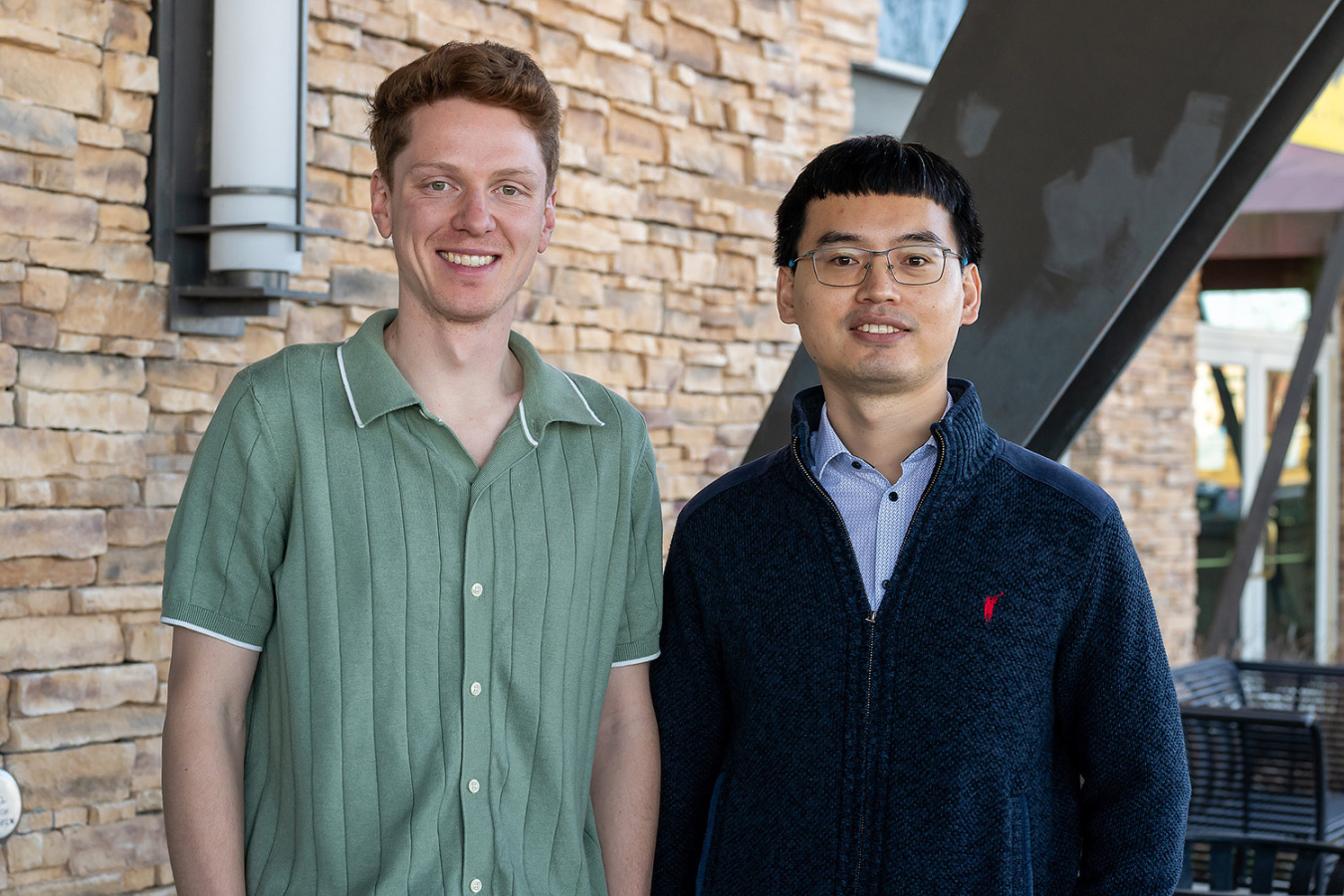 Team 269 – SENSE
- Principal Investigator: Xinchang Zhang
- Entrepreneurial Lead: Charles N. Payne
- Industry Mentor: Anbo Wang
Structural Embedding of Novel Sensor Elements (SENSE) is an innovative, advanced manufacturing technique that allows sensors, particularly fiber optic sensors, to be embedded into high-temperature and high-strength structural materials. This technology enables industries to utilize distributed fiber optic sensing (high spatial resolution along the length of the fiber) in the monitoring and maintaining of large systems and plants that use structural materials. Distributed, large-scale embedded sensing data in structural materials can give industries like energy, aerospace, and civil unprecedented information for monitoring structural health.Funded by the Office of Nuclear Energy.
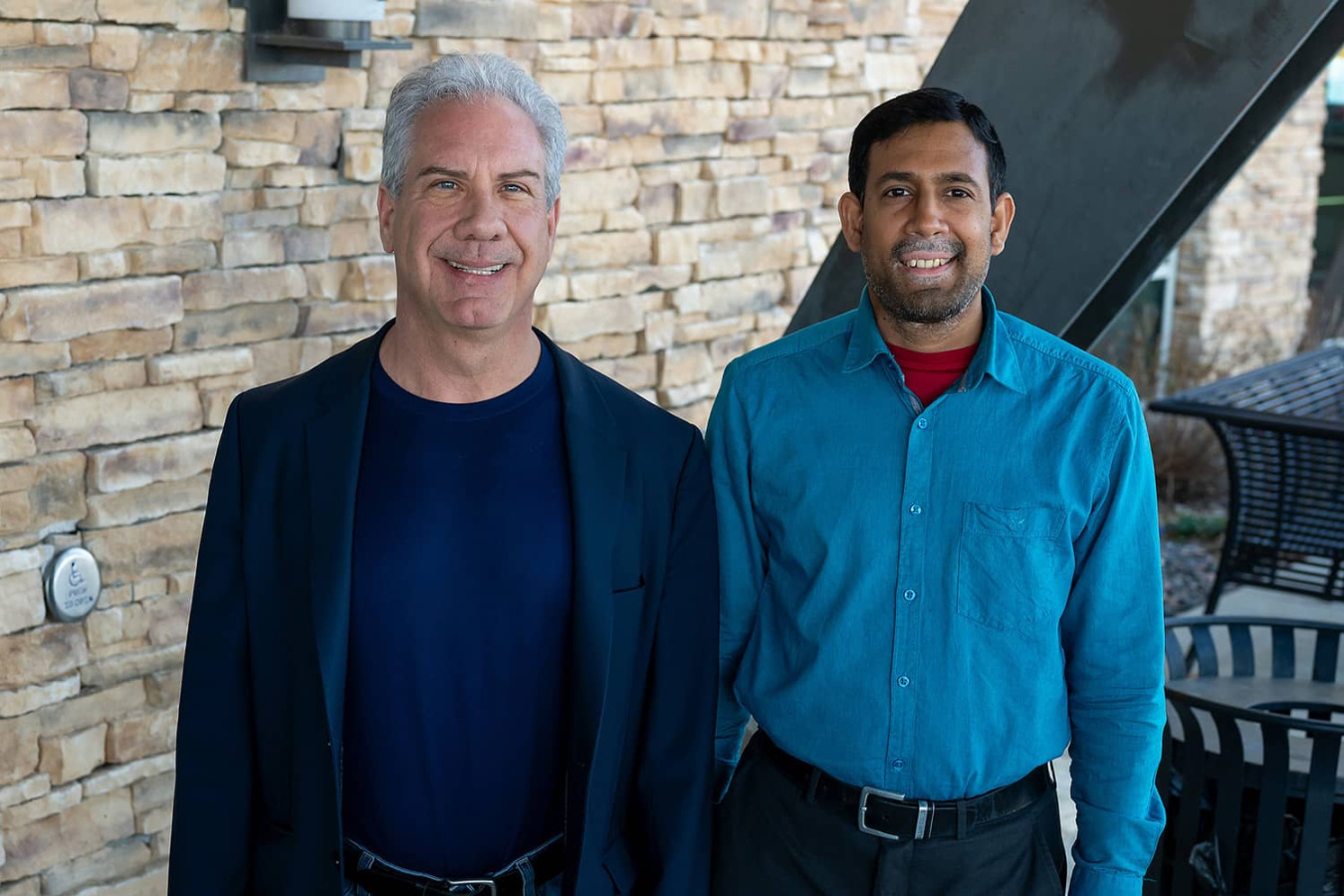 Team 270 – SignalShift Insights
- Principal Investigator: Arun Veeramany
- Entrepreneurial Lead: Brett Simpson
- Industry Mentor: Jaime Arteaga
Project Schedule Visualizer (PSV) uses Oracle schedule database outputs to deliver tree and branch visualizations with built-in reporting features that are easier to interpret than technical and cumbersome Gantt charts. These clear, simple visualizations make it easier to compare schedules side by side to see where and to what degree changes occurred, resulting in a tool that is intuitive even for users who only need high-level information or who lack formal schedule software access or training.Funded by the Office of Nuclear Energy.
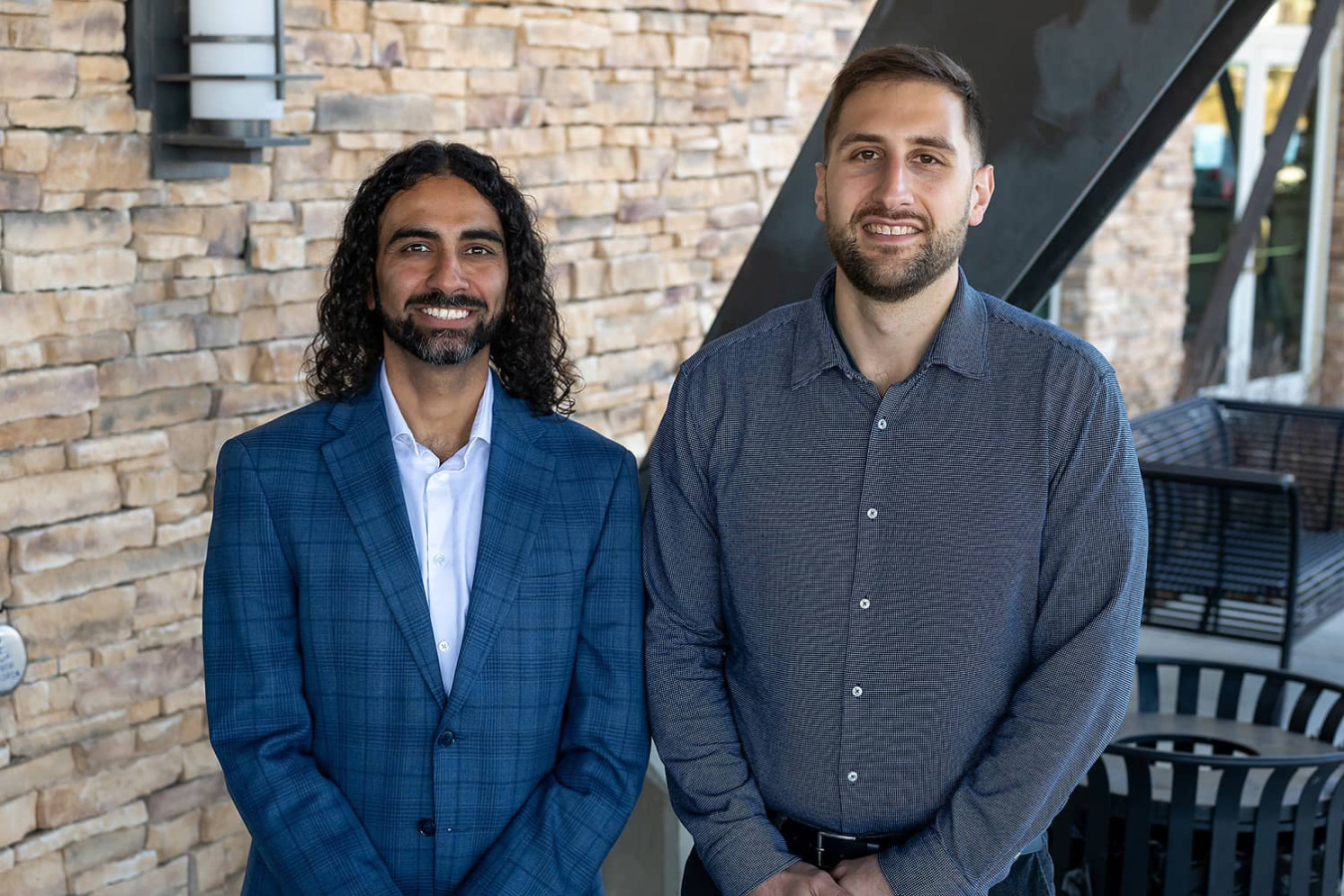 Team 271 – Aeronomie
- Principal Investigator: Nirmit Prabhakar
- Entrepreneurial Lead: Francesco Salucci
- Industry Mentor: Alberto Rolando
Aeronomie is a simulation tool that helps engineers and researchers “test fly” aircrafts in a virtual world. Think of it as a detailed flight simulator not for entertainment, but for studying how different types of engines and power sources affect an airplane’s performance in real flight. Using Aeronomie, one can simulate an entire flight from takeoff to landing. The tool supports various types of aircraft, including conventional planes, drones, and even emerging electric vertical takeoff and landing (eVTOL) vehicles, and works with different propulsion systems. This includes traditional jet engines, all electric, hybrid electric, and fuel cell systems. By virtually testing these variables, Aeronomie helps users understand how changes in propulsion type impact fuel efficiency, cost, and emissions. Basically, it’s a fast “what if we tried this?” tool for designing better aircraft.Funded by the Hydrocarbons and Geothermal Energy Office.
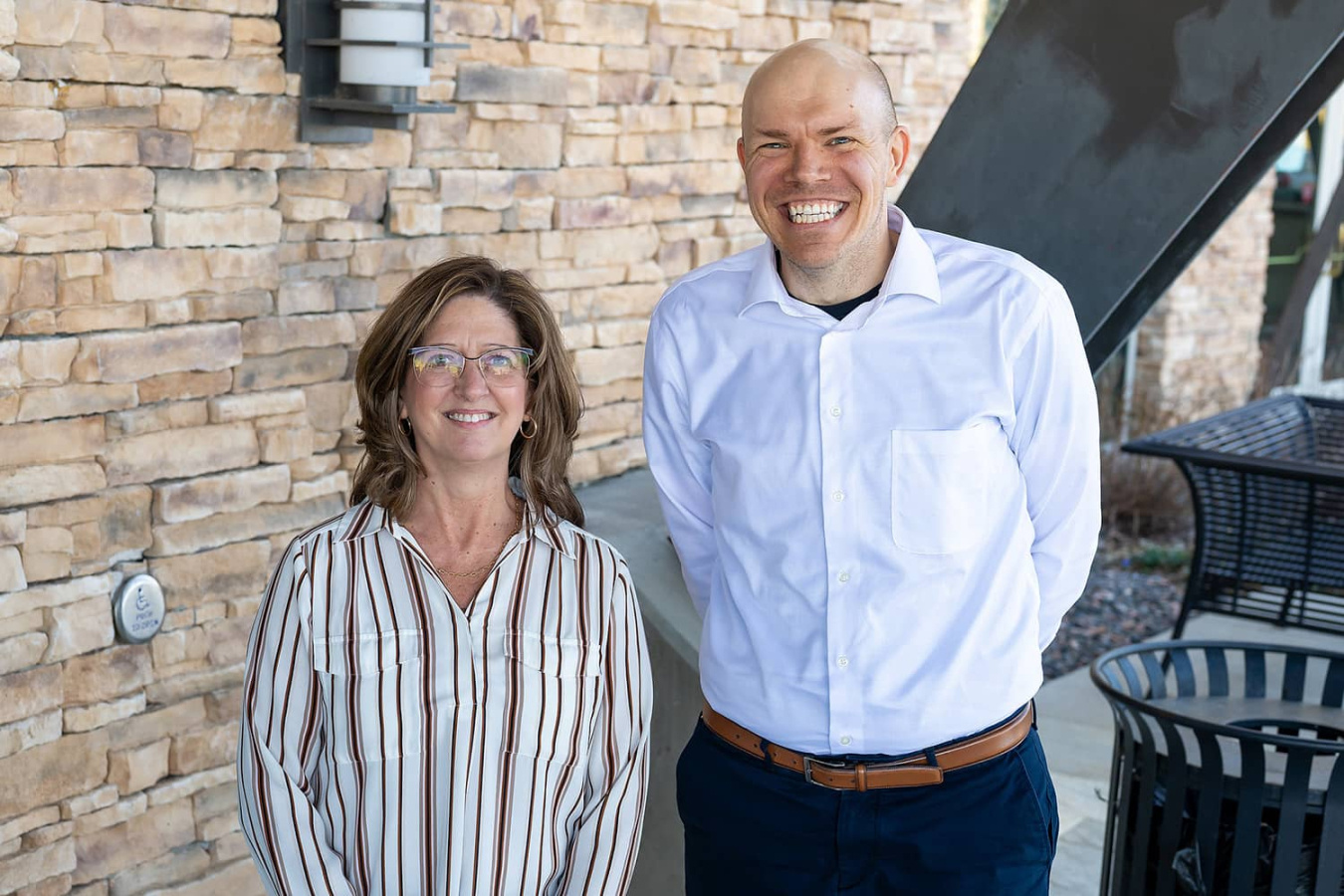 Team 272 – OASIS
- Principal Investigator: Eric Popczun
- Entrepreneurial Lead: LeeAnn Carnahan
- Industry Mentor: Dallas Mullett
OASIS (O2 from Air Separation at Intermediate Scales) provides a cost effective, onsite oxygen generation solution for small to moderately-sized applications. Utilizing a novel, heat-activated material with nearly 100% selectivity, OASIS circumvents the high capital and operational expenditures associated with traditional oxygen production methods that are only economical at substantially larger scales.Funded by the Hydrocarbons and Geothermal Energy Office.
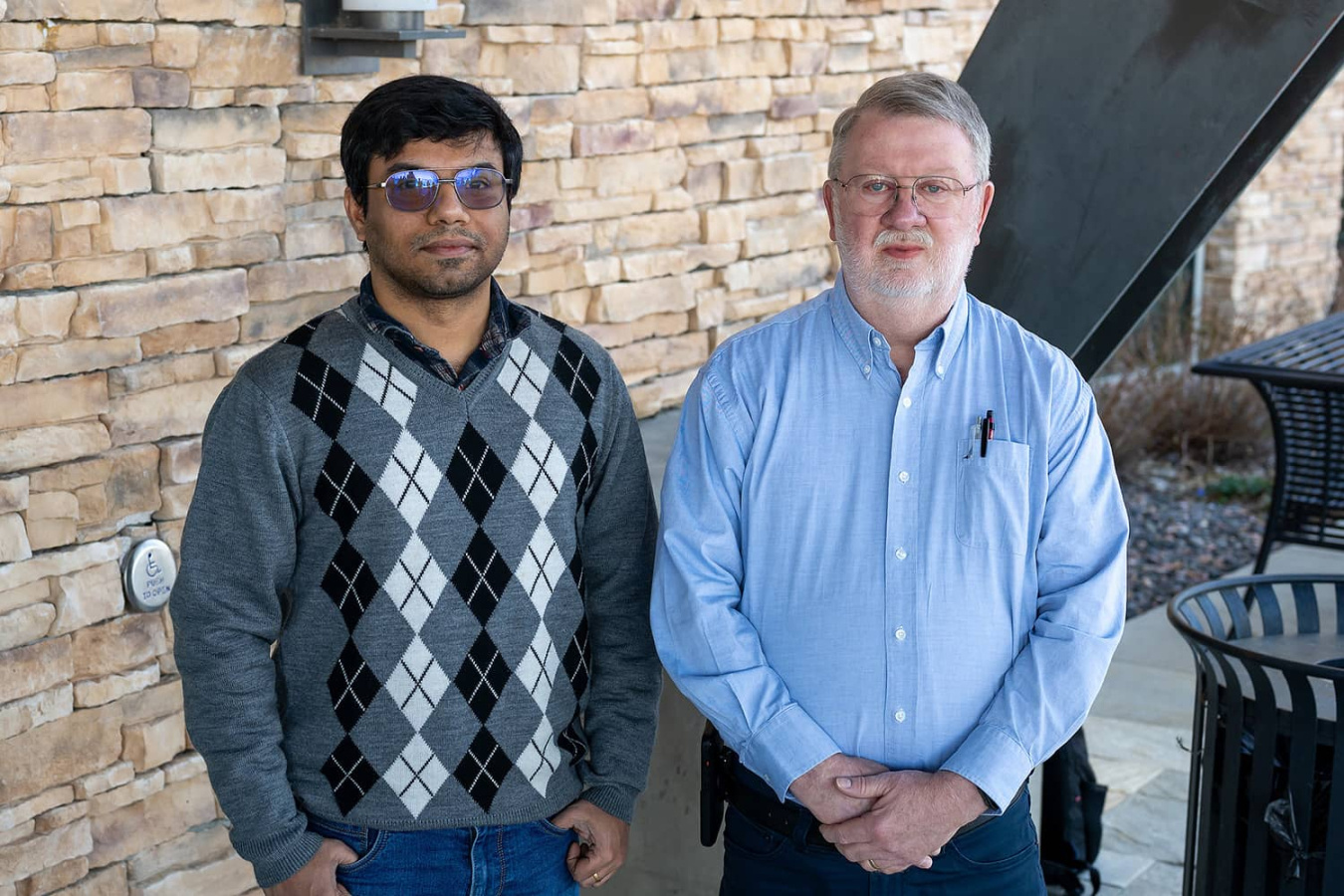 Team 273 – TLC Carbon Fibber
- Principal Investigator: Robert E (Bob) Norris
- Entrepreneurial Lead: Sumit Gupta
- Industry Mentor: Ben Colgrove
Compressive performance and fiber costs are two impediments to broader implementation of carbon fiber composites despite demonstrating otherwise superior specific strength and specific stiffness properties. The implementation of carbon fiber composites is highly critical to multiple structural application areas in energy production and utilization missions of national importance. Designing non-circular carbon fiber shapes including utilization of Tri-Lobal Contoured (TLC) geometries has been demonstrated by our Oak Ridge National Laboratory (ORNL)/Sandia National Laboratories (SNL) team to enhance the typically deficient compressive properties of carbon fiber composites while also improving the manufacturing economics. This invention is now entering the scaleup and licensing phase on the pathway to commercialization.Funded by the Wind Energy Technologies Office.
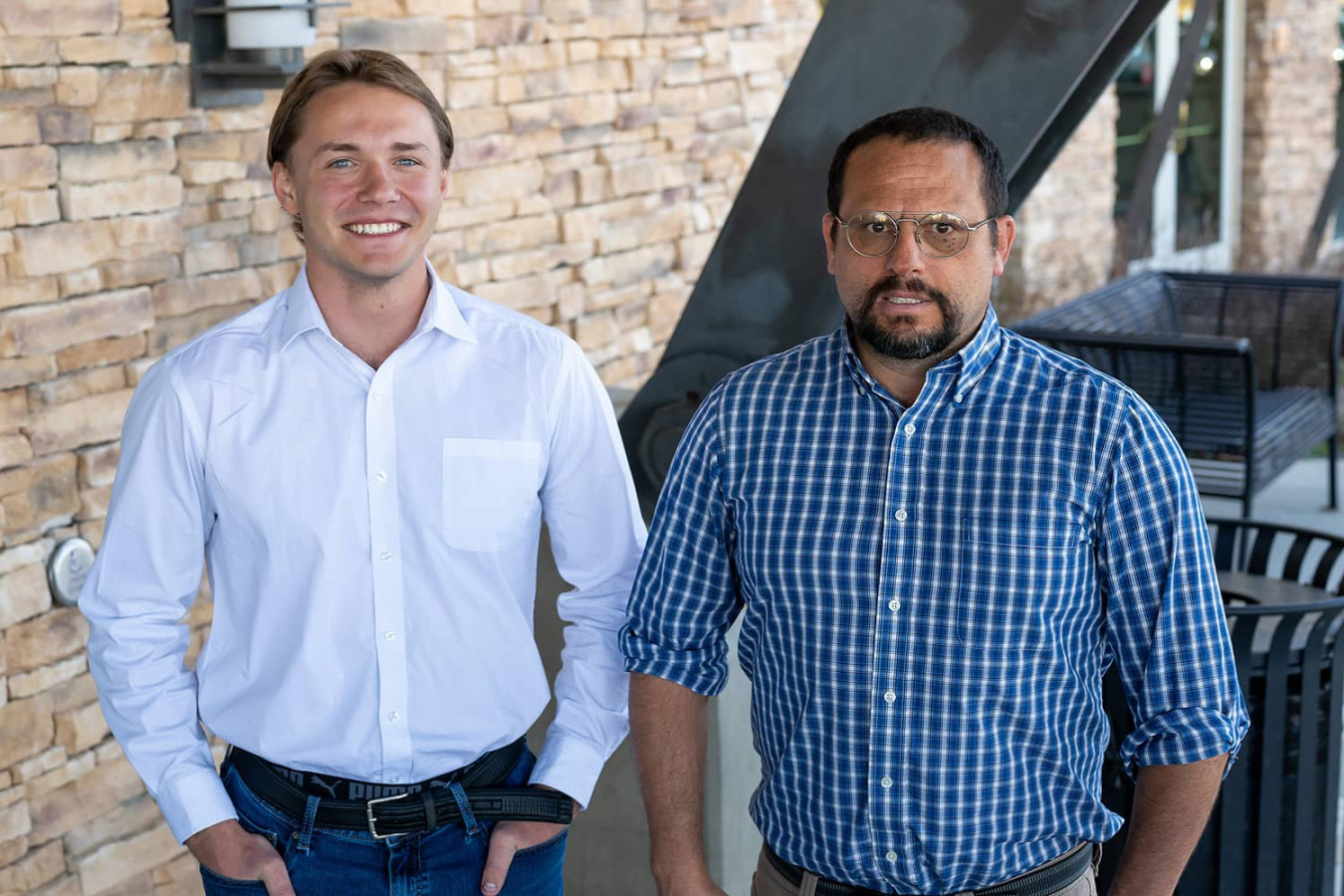 Team 274 – Agile AM Automation
- Principal Investigator: David Mascarenas
- Entrepreneurial Lead: Anthony Starleaf
- Industry Mentor: Humna Kahn
Neuromorphic Two-Color Pyrometry provides a fast, data-efficient, high-dynamic-range approach to temperature monitoring for high-temperature metals. The neuromorphic sensor captures asynchronous events at each pixel, triggered by changes in logarithmic light intensity, which simultaneously allows it to capture data at a rate that is naturally responsive to the dynamics of the system, as well as allowing it to capture temperatures over a large range (e.g. 600-3500 C). This capability enables real-time monitoring and control of quickly evolving and high-dynamic-range melt pools in robotic welding and metal additive manufacturing.Funded by the Advanced Materials and Manufacturing Technologies Office.
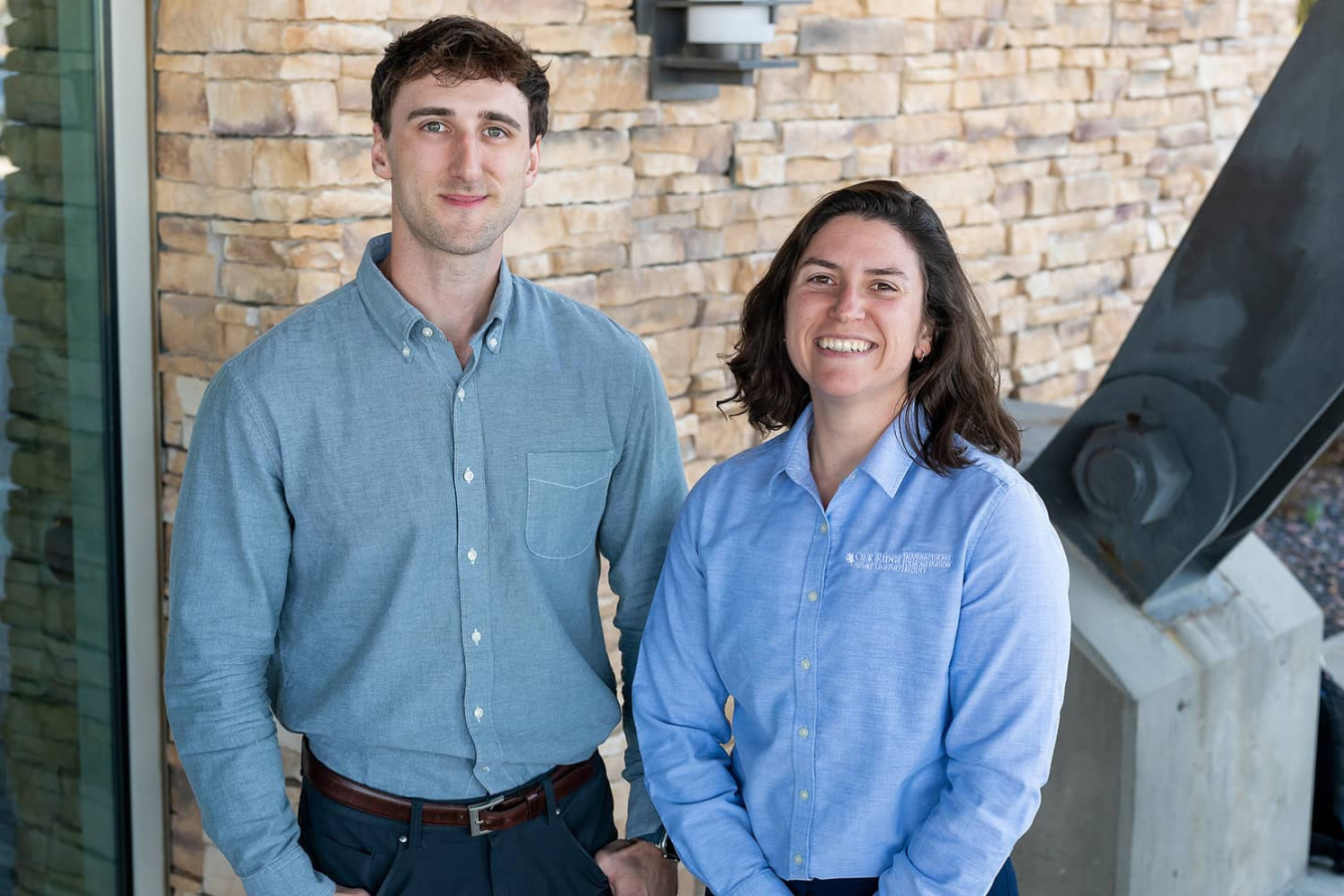 Team 275 – STITCh
- Principal Investigator: Emma Betters
- Entrepreneurial Lead: Justin West
- Industry Mentor: Jeremiah Halley
Sensor Tracked Incremental Toolpath Chaining (STITCh) enables large scale components to be machined accurately in chained segments on common, smaller machine tools using sensors and locating markers to continuously re-register the workpiece and transform subsequent toolpaths for seamless stitching. This process reduces reliance on massive gantry machines and tedious multi-setup alignment, cutting capital and floor-space requirements while maintaining accuracy by accounting for thermal, geometric, and part-translation errors.Funded by the Advanced Materials and Manufacturing Technologies Office.
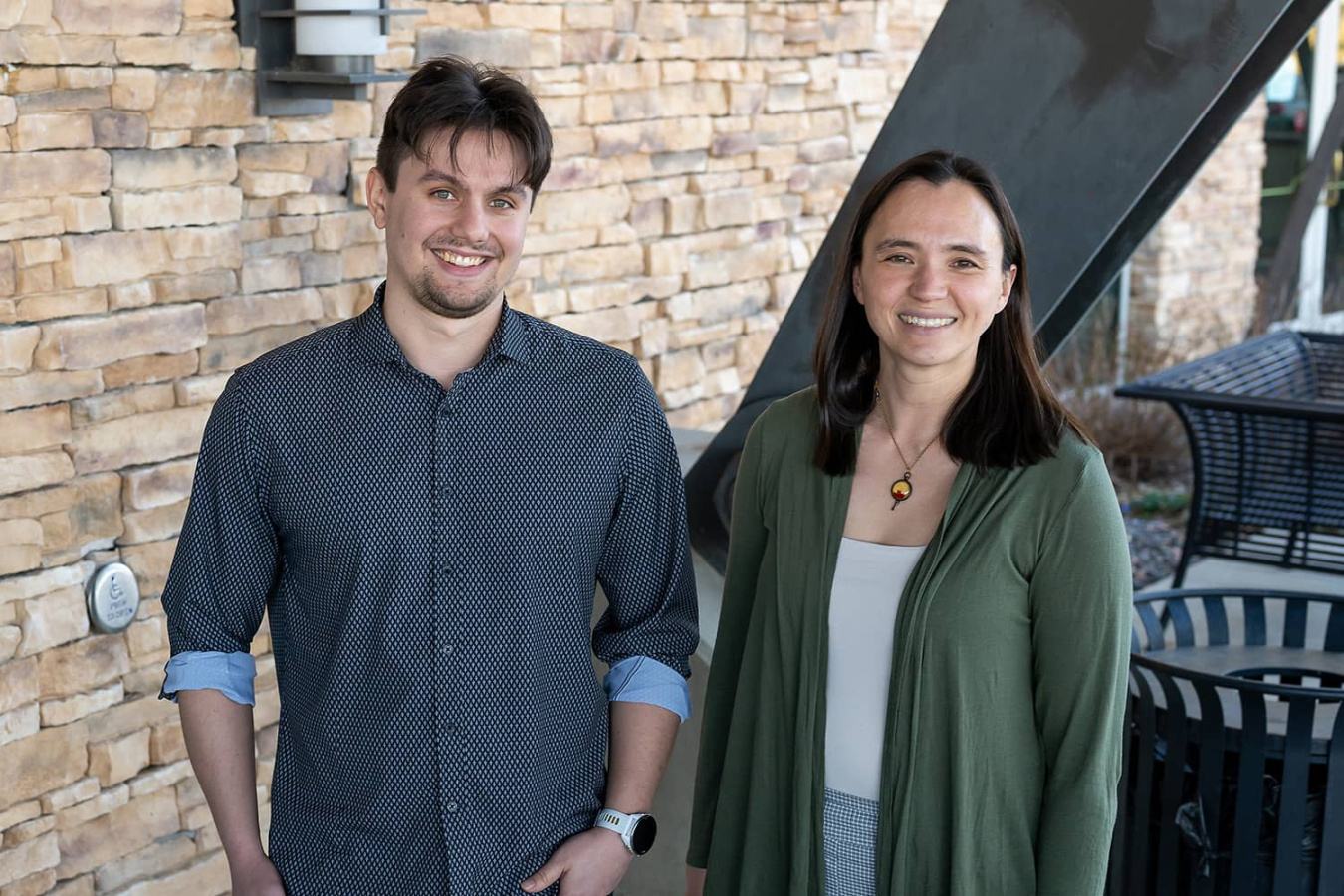 Team 276 – RIPTIDE
- Principal Investigator: Anna G. Servis
- Entrepreneurial Lead: William R. Dean-Kersten
- Industry Mentor: Vishnu Sundaresan
RIPTIDE (Rotating Intensified Packed-bed Technology for Improved Distribution & Extraction) Processing Technologies harnesses powerful rotational forces to create intense, swirling contact between liquids. Our rotating packed bed contactors spin packing materials at high speed to dramatically accelerate liquid-liquid extraction and adsorption processes. This turbulent, controlled flow pulls target compounds from one liquid into another or onto specialized surfaces with remarkable efficiency. What once required massive equipment and hours of processing now happens in minutes within a compact system—capturing the relentless, pulling power of a riptide to transform industrial separations.Funded by the Advanced Materials and Manufacturing Technologies Office.
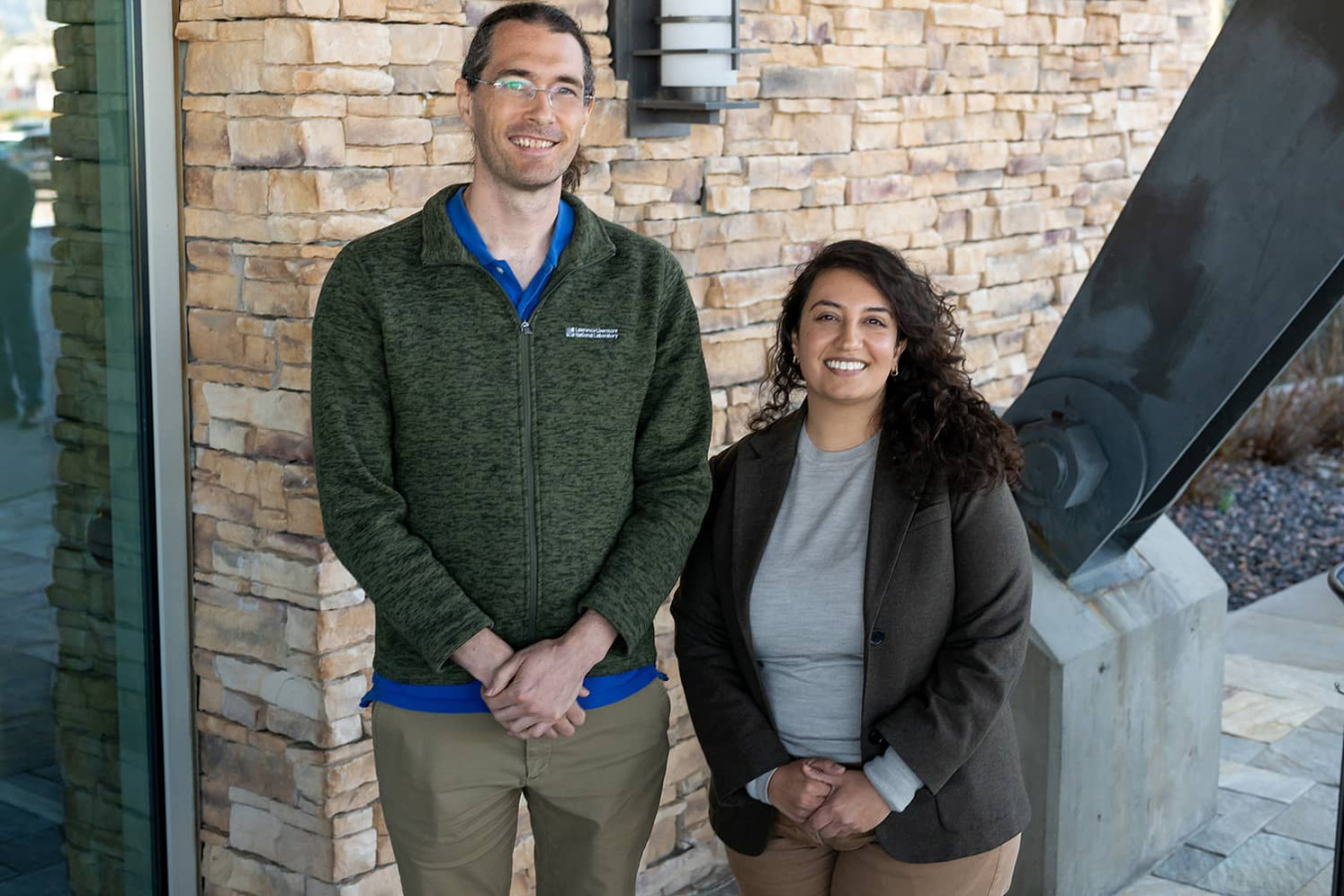 Team 277 – STILETTO
- Principal Investigator: Ryan Muir
- Entrepreneurial Lead: Leily Kiani
- Industry Mentor: Ben Hopkins
High-energy and high-peak-power pulsed laser systems are enabling technologies for particle acceleration, nuclear fusion, additive manufacturing, defense, and more. Newer laser systems continually push the limits of laser pulse energy and peak power to drive stronger laser matter interactions, and the performance bottlenecks of these laser systems can be enhanced by careful manipulation of the laser pulse and laser beam qualities. When used together, CLASPS, a laser beam shaping system, STILETTO, a modified monochromator, and 3PSI, a spectral interferometer (or optical recorder), represent a unique platform set of technologies for spatial phase and polarization shaping, temporal pulse shaping, and temporal pulse measurement, respectively.Funded by the Office of Science’s Fusion Energy Sciences (FES) Program.
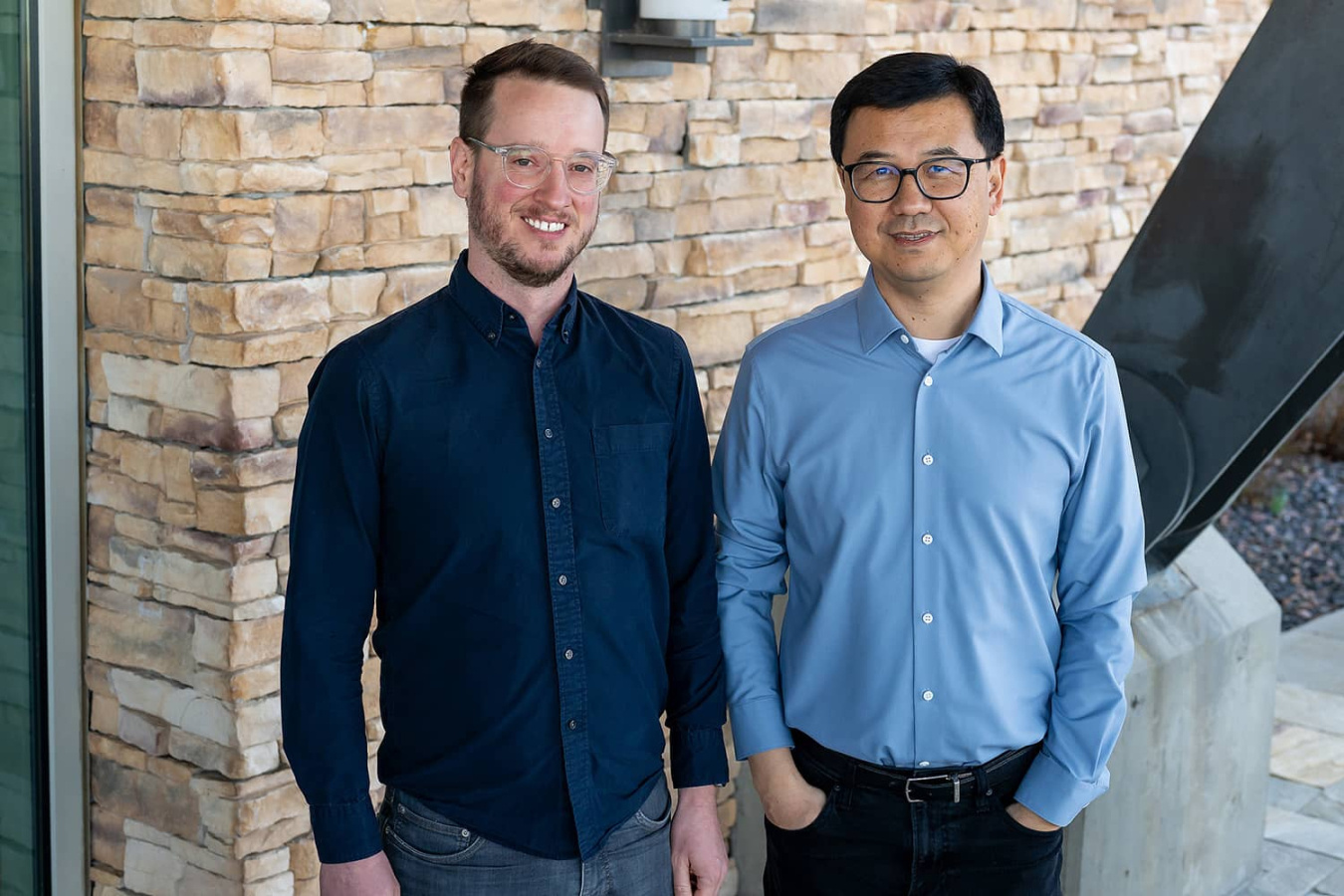 Team 278 – DOG-FET
- Principal Investigator: Qinghui Shao
- Entrepreneurial Lead: Clint D. Frye
- Industry Mentor: Jacob Leach
Diamond Optically Gated Field Effect Transistors (DOG-FET) with optimized Gate-All-Around (GAA) structures have been designed and developed as power electronics for fast switching, low jitter, and low susceptibility to electromagnetic interference. Unlike the conventional GAA transistors, GAA in DOG-FET is defined by an optical aperture on top of the device which allows for arbitrary gate distribution across the entire chip. Combined with their unique memory effect which enables pulsed laser operation, the DOG-FETs are suited for future medium-voltage direct current (MVDC), high-voltage direct current (HVDC) systems, and power management for data centers.Funded by the Office of Electricity.
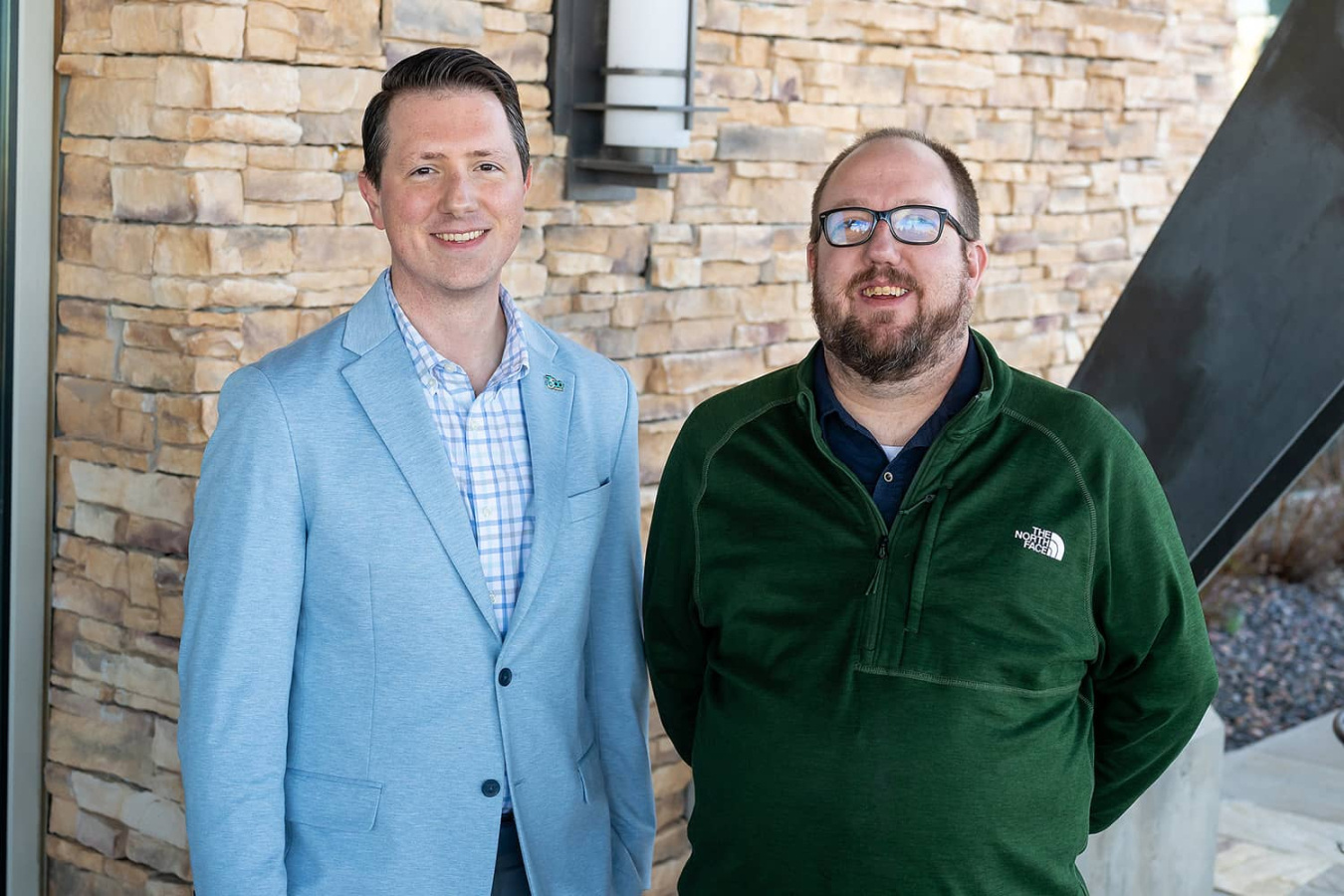 Team 279 – MATR
- Principal Investigator: Alex Bates
- Entrepreneurial Lead: Kyle Fenton
- Industry Mentor: Susan Babinec
MATR (Materials and Applied Thermal Research) is a materials safety evaluation platform focused on the development stage of new technologies. This platform delivers rapid thermal and gas analysis driven by high-fidelity calorimetry, enabling delineation of reaction pathways, onsets, and heat release metrics.Funded by the Office of Electricity.
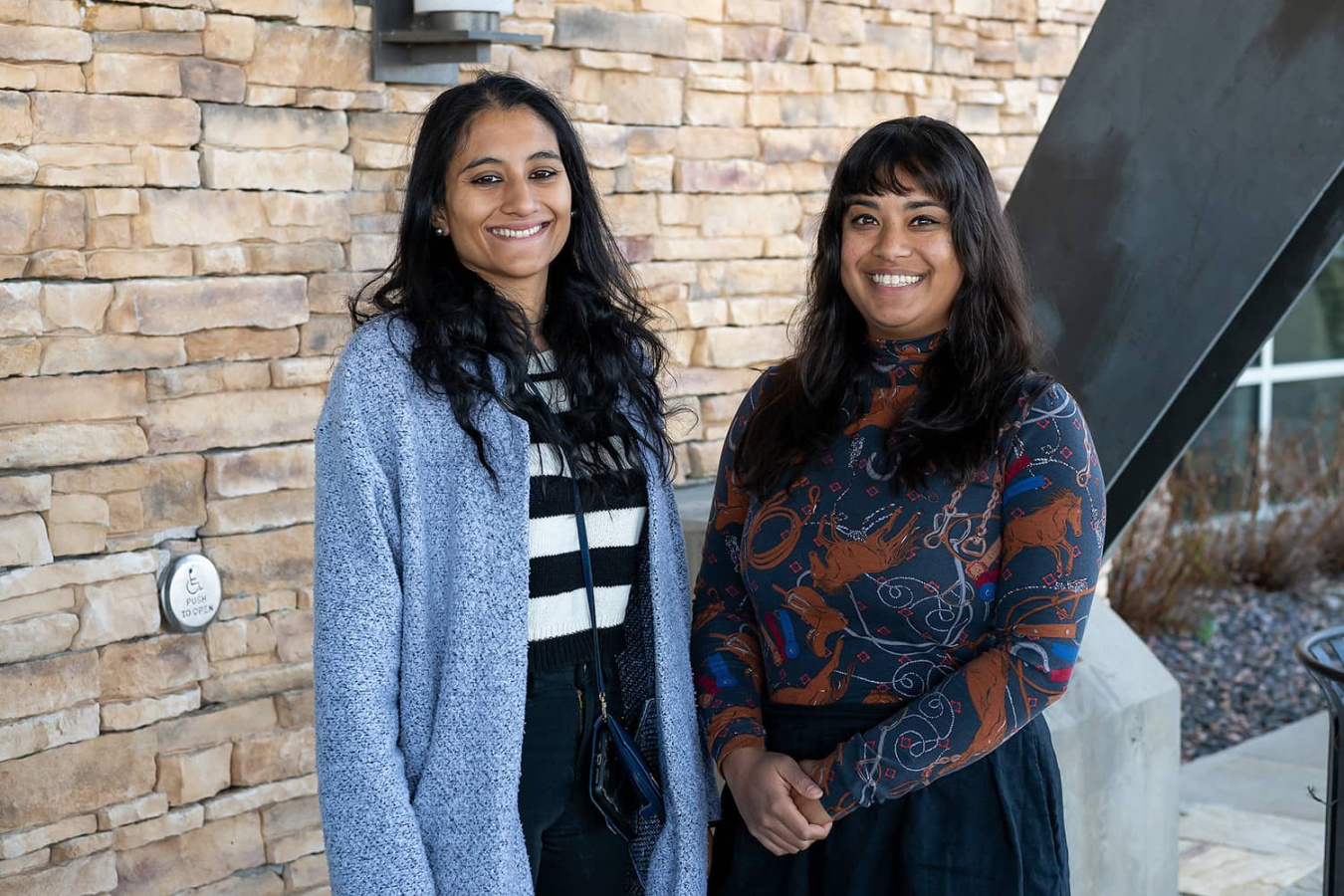 Team 280 – FACETS
- Principal Investigator: Shamina Hossain-McKenzie
- Entrepreneurial Lead: Lekha Patel
- Industry Mentor: Taylor Moot
The Flexible Autonomous Cyber-physical Ecosystem for Trusted Security (FACETS) is a first-of-its-kind cyber-physical end-to-end security, orchestration, automation, and response (SOAR) ecosystem that focuses on distributed implementation across interconnected electric grid cyber-physical systems. FACETS moves away from rulesets/playbooks to adaptive, real-time response, and incorporates federated cyber-physical learning and correlation analysis that prioritizes cyber-physical situational awareness for both system operators and cyber defenders.Funded by the Office of Electricity.
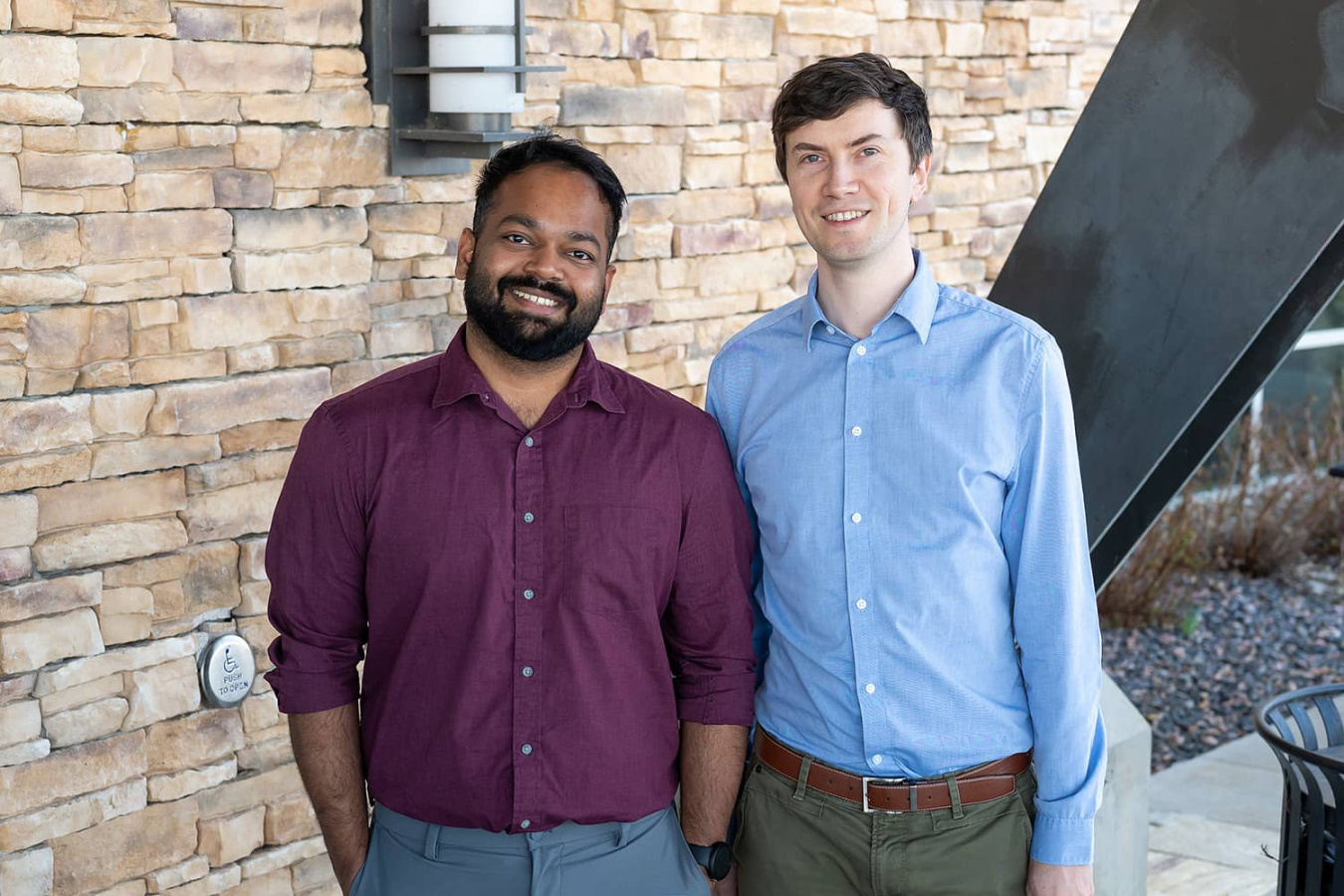 Team 281 – ALTRIOS- LIFT
- Principal Investigator: Matthew Bruchon
- Entrepreneurial Lead: Harish Selvam
- Industry Mentor: Mark Berndt
The Line-haul Intermodal Freight Terminal Simulator (LIFTS) is a Python-based tool for rapid “digital twin”-style testing of the operational impacts of advanced equipment, infrastructure, and operating strategies for freight terminals and other work sites. Given a site layout and equipment roster for a site, LIFTS enacts user-specified or AI-informed strategies to simulate step-by-step operations and compute performance metrics of interest.Funded by the Vehicle Technologies Office.
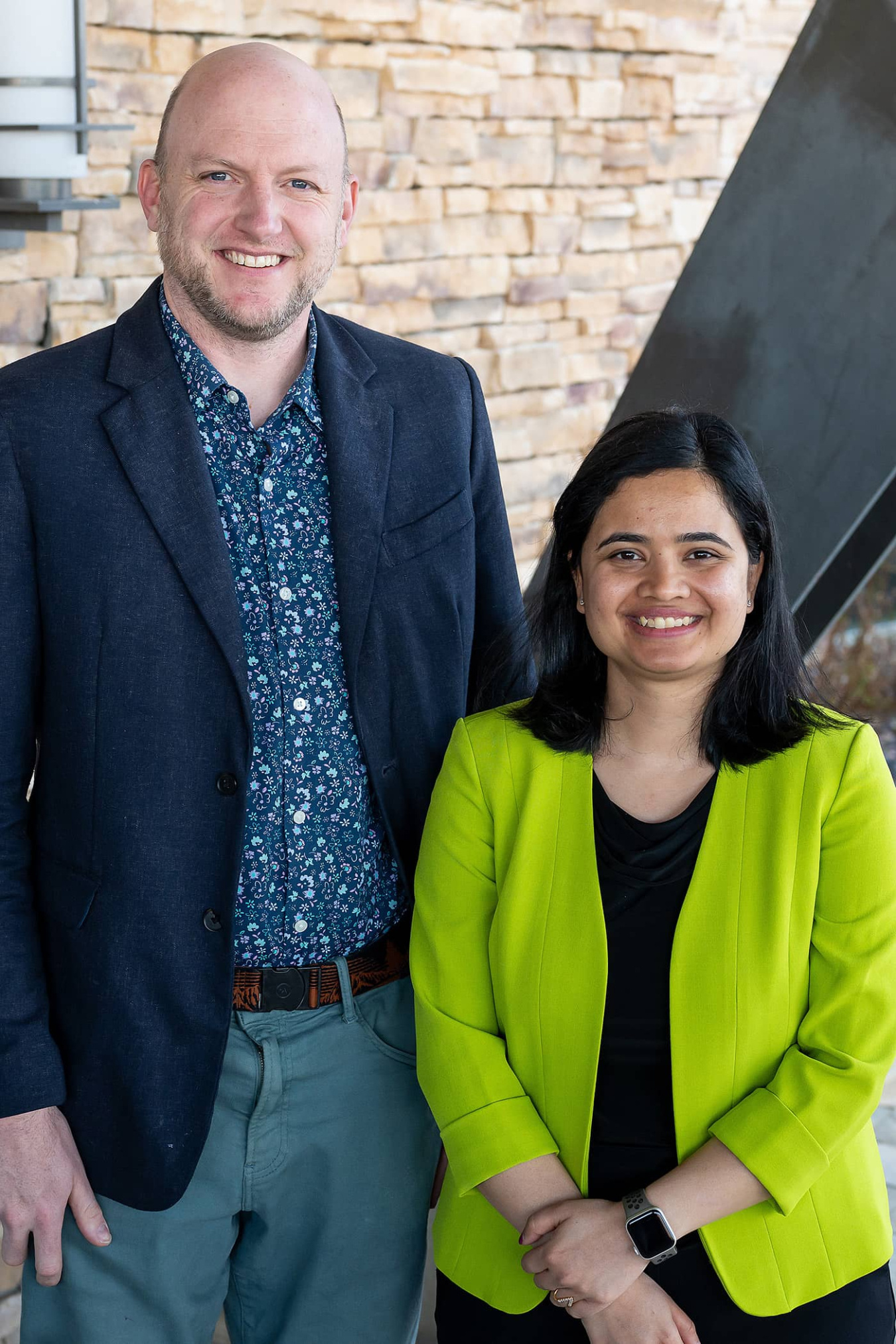 Team 282- REMIN(e)D
- Principal Investigator: Joe Simon
- Entrepreneurial Lead: Suma Sathyanarayana
- Industry Mentor: Stacy Hunt
The REMIN(e)D (Recovering Essential Minerals through Innovations in E-Scrap Delivery) project aims to enhance U.S. critical mineral recovery through combining material quantity and value estimation of electronic and battery waste materials with alternative business models. The project aims to develop an approach that enables recyclers to recover valuable critical minerals, such as lithium, cobalt, and palladium, from unused electronics found in American homes and offices, such as phones and batteries.The initiative expects to leverage lab-developed IP to estimate the quantity, type, and value of these materials in electronic waste. By integrating these analytical technologies with unique engagement strategies, the project seeks to incentivize the recovery of electronic waste and activate America’s “urban mine”, reducing reliance on imported raw minerals and strengthening the critical materials supply chain.
Funded by the Vehicle Technologies Office.
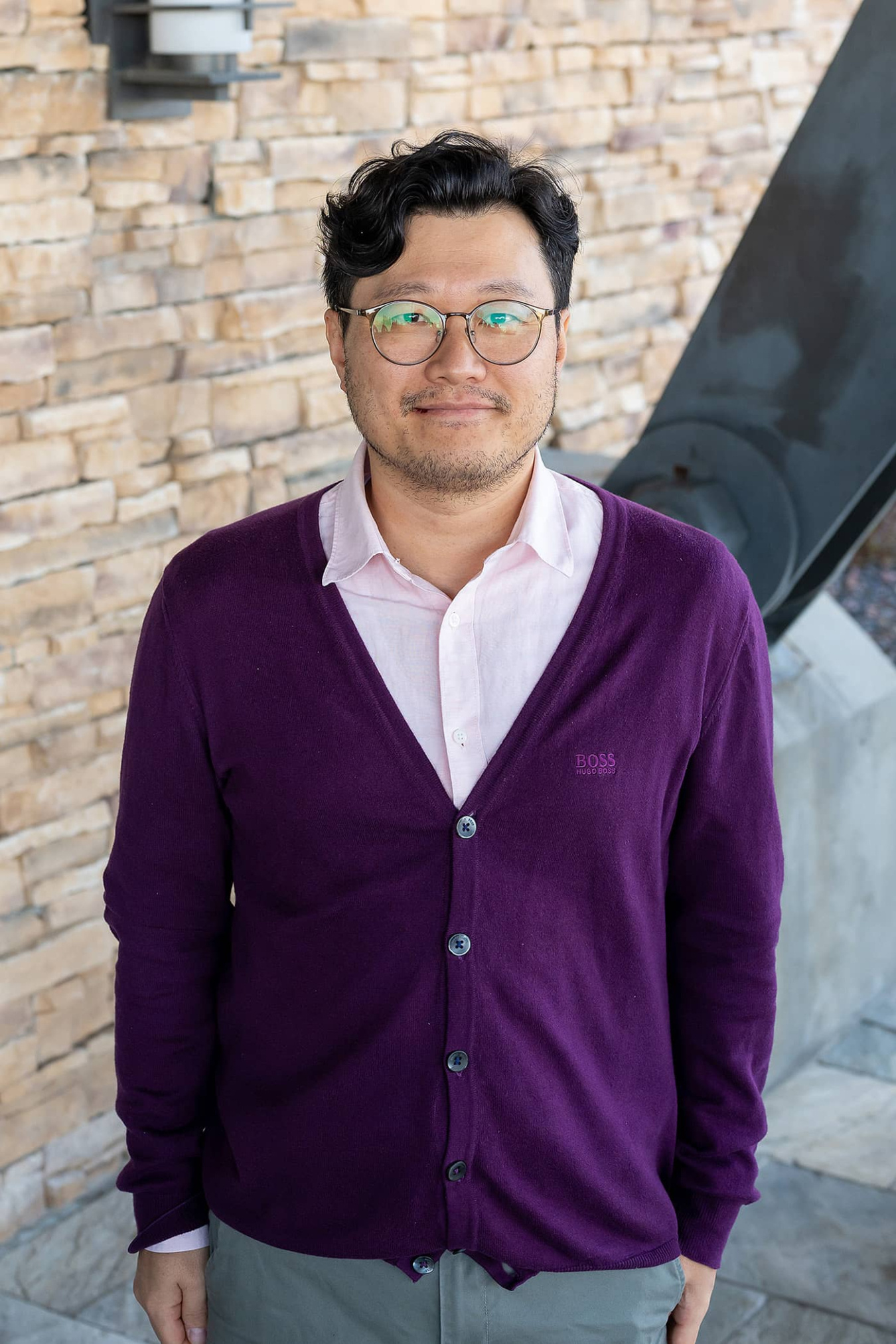 Team 283 – INFORMES
- Principal Investigator: Kyungsoo Jeong
- Entrepreneurial Lead: Joe Severino
- Industry Mentor: Srinath Ravulaparthy
Intermodal Freight Optimization for a Resilient Mobility Energy System (INFORMES) is a software tool that helps companies and government agencies optimize the transportation of goods across trucks, trains, and ships across the country. It shows how shipping routes and energy infrastructure choices influence each other, helping to reduce costs, improve reliability, and support a more modern and effective freight system.Funded by the Vehicle Technologies Office.
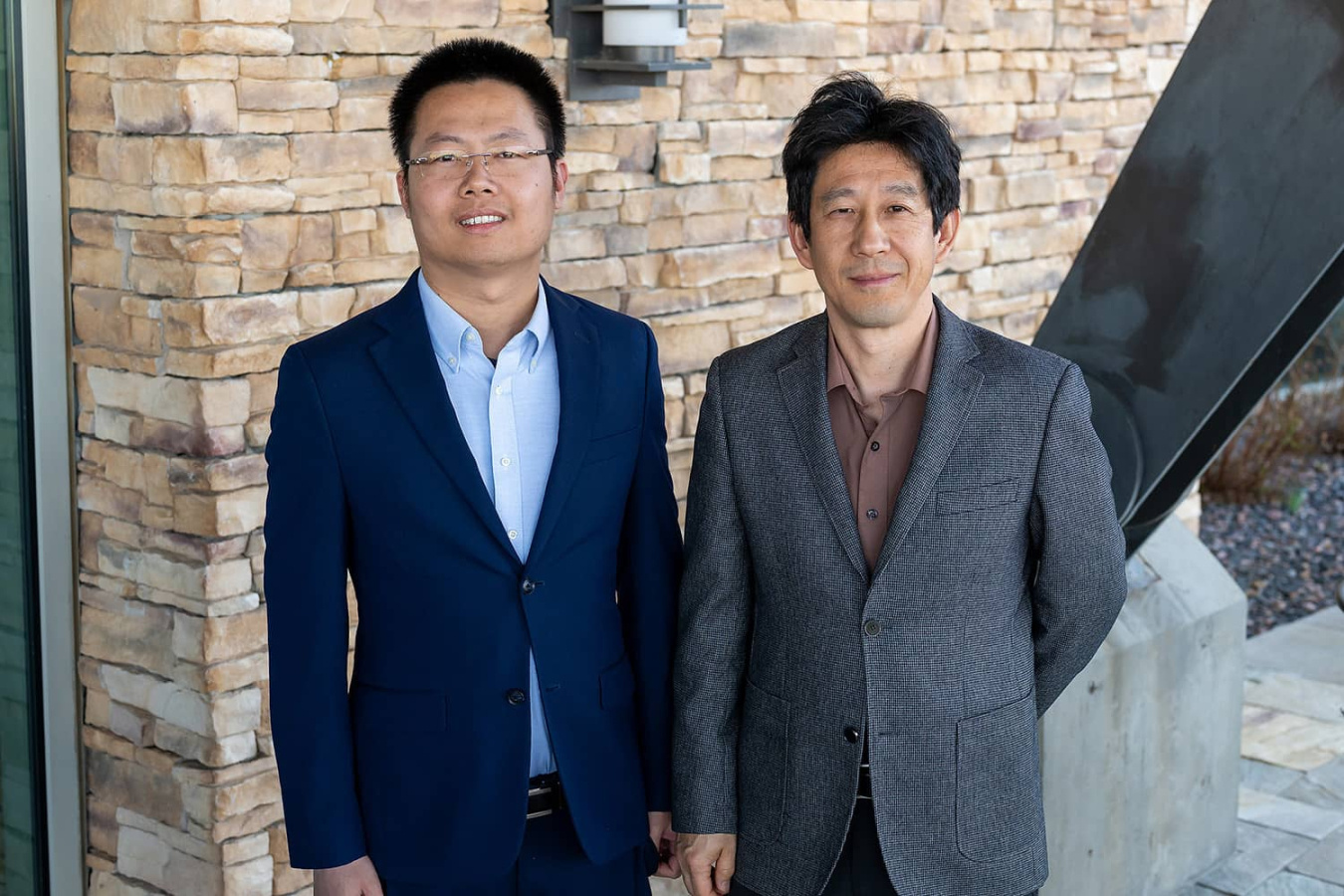 Team 284 – Re.Graphite
- Principal Investigator: Gao Liu
- Entrepreneurial Lead: Defu Li
- Industry Mentors: Robert Z. Bachrach and Suzuki Tatsunori
Graphite is the critical anode material in nearly all commercial LIBs, yet the United States faces significant supply vulnerabilities due to a lack of natural reserves. Re.Graphite addresses this through an advanced regeneration platform. This new method focuses on the stabilization of spent anode materials via a patented functional polymer coating and specialized post-processing. The result is a revitalized graphite that meets the rigorous performance standards of new battery production, creating a truly domestic and dependable material supply source.Funded by the Vehicle Technologies Office.
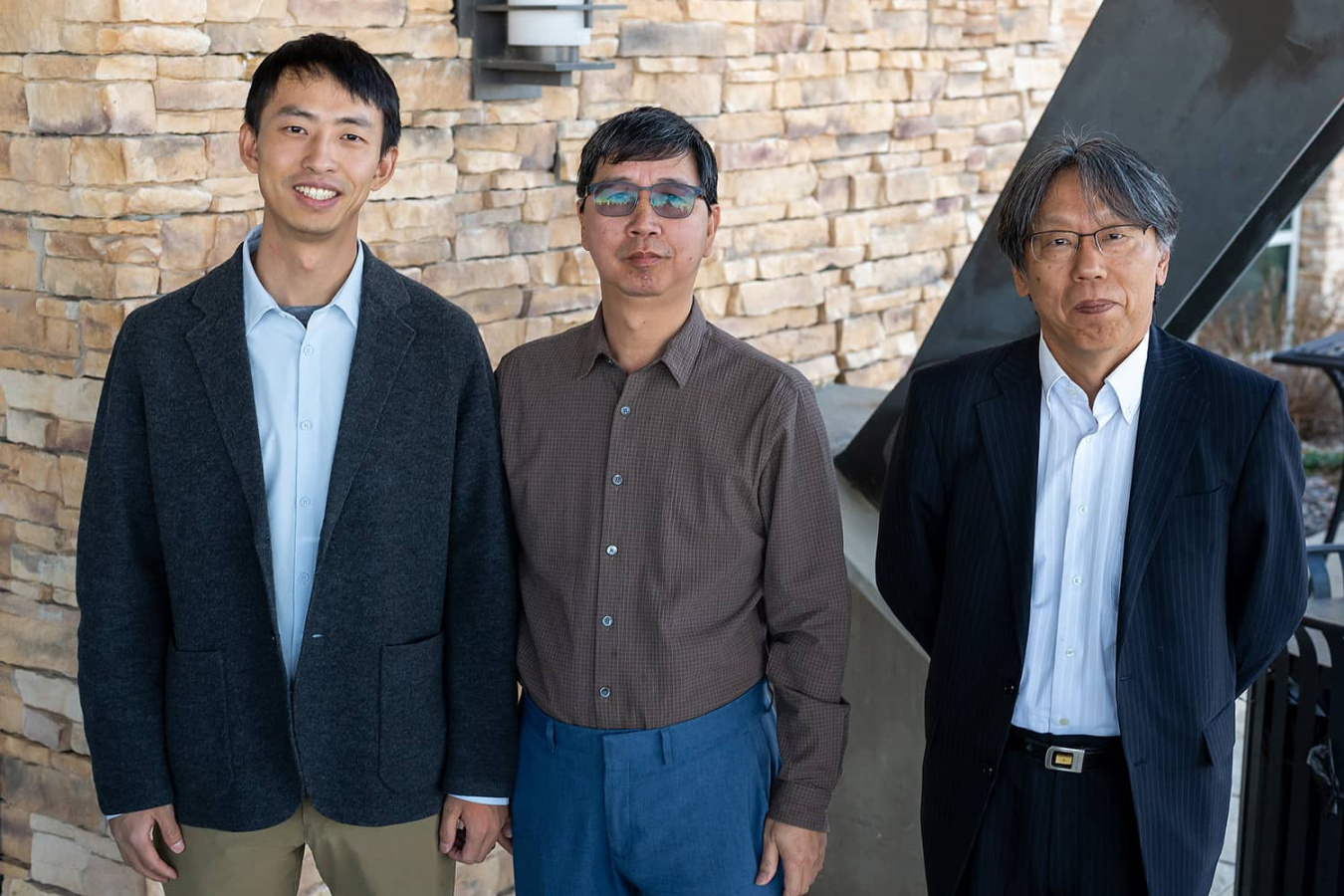 Team 285 – HVAC Service Robots
- Principal Investigator: Tianzhen Hong
- Entrepreneurial Lead: Han Li
- Industry Mentor: Chun-cheng Piao
Timely HVAC equipment and system services are critical to ensure its safe, reliable, and energy efficient operations. Conventional services are labor intensive, reactive, and facing skilled worker shortages. HVAC service robots integrate the latest technologies in physical AI, agentic workflow, and smart sensing and diagnostics to provide actionable insights for preventive maintenance (e.g., detect refrigerant leaks), Fault Detection and Diagnostics, and optimal controls. HVAC service robots can also assist HVAC technicians in equipment installation and repair as well as workforce training.Funded by the Office of Critical Minerals and Energy Innovation.
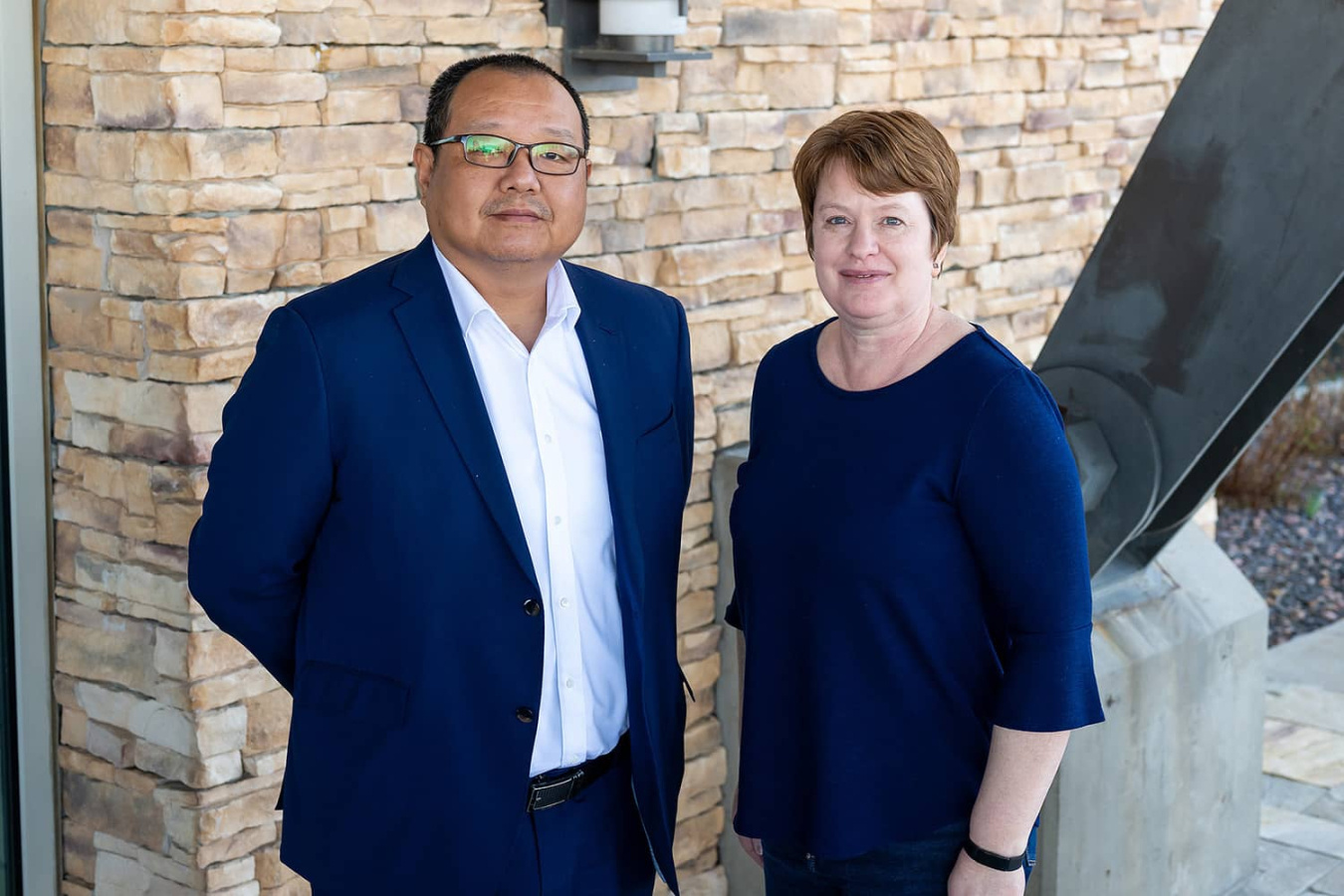 Team 286 – Nano-Magnet
- Principal Investigator: Jun Cui
- Entrepreneurial Lead: Julie Slaughter
- Industry Mentor: John Ormerod
Continuous hot-rolling is a breakthrough method for the cost-effective manufacturing of nanograin magnets. By utilizing nanostructure to maintain high-temperature performance, these magnets eliminate the need for critical heavy rare earth elements (HREE) like Dysprosium. By lowering production costs and removing dependence on scarce materials, nanograin magnets offer a powerful solution to the HREE global supply chain vulnerabilities.Co-funded by the Advanced Materials and Manufacturing Technologies Office, Vehicle Technologies Office, and Wind Energy Technologies Office.