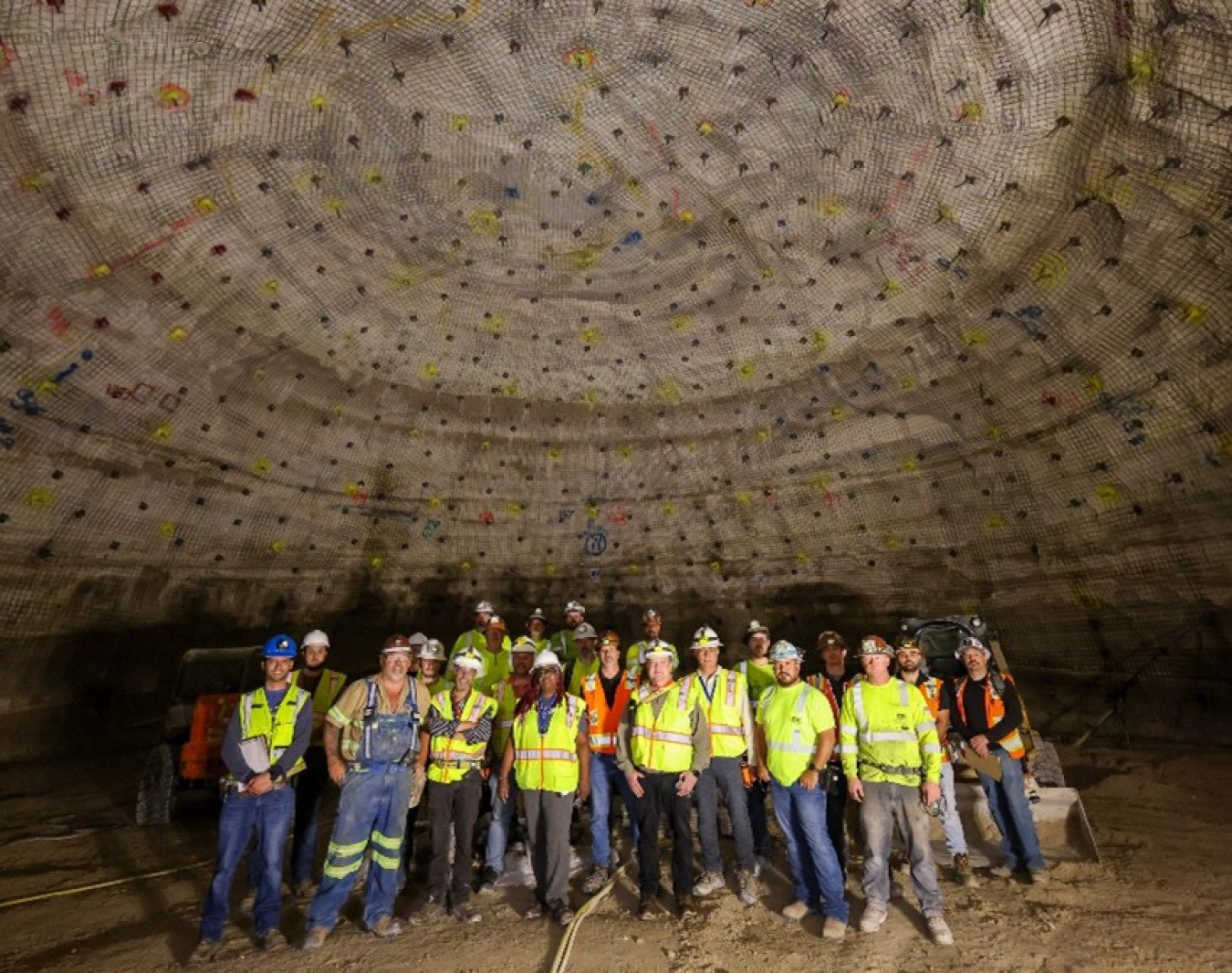
NNSA’s Office of Defense Nuclear Nonproliferation (DNN) is America’s shield against nuclear and radiological attack. DNN stops threats before they can reach the U.S. Homeland through a multi-layered defense:
- Deny adversary access to weapons-usable material, technology, and expertise;
- Detect nuclear proliferation and breakouts; and
- Defeat efforts by adversaries to attack or threaten the U.S. homeland with the world’s most dangerous weapons.
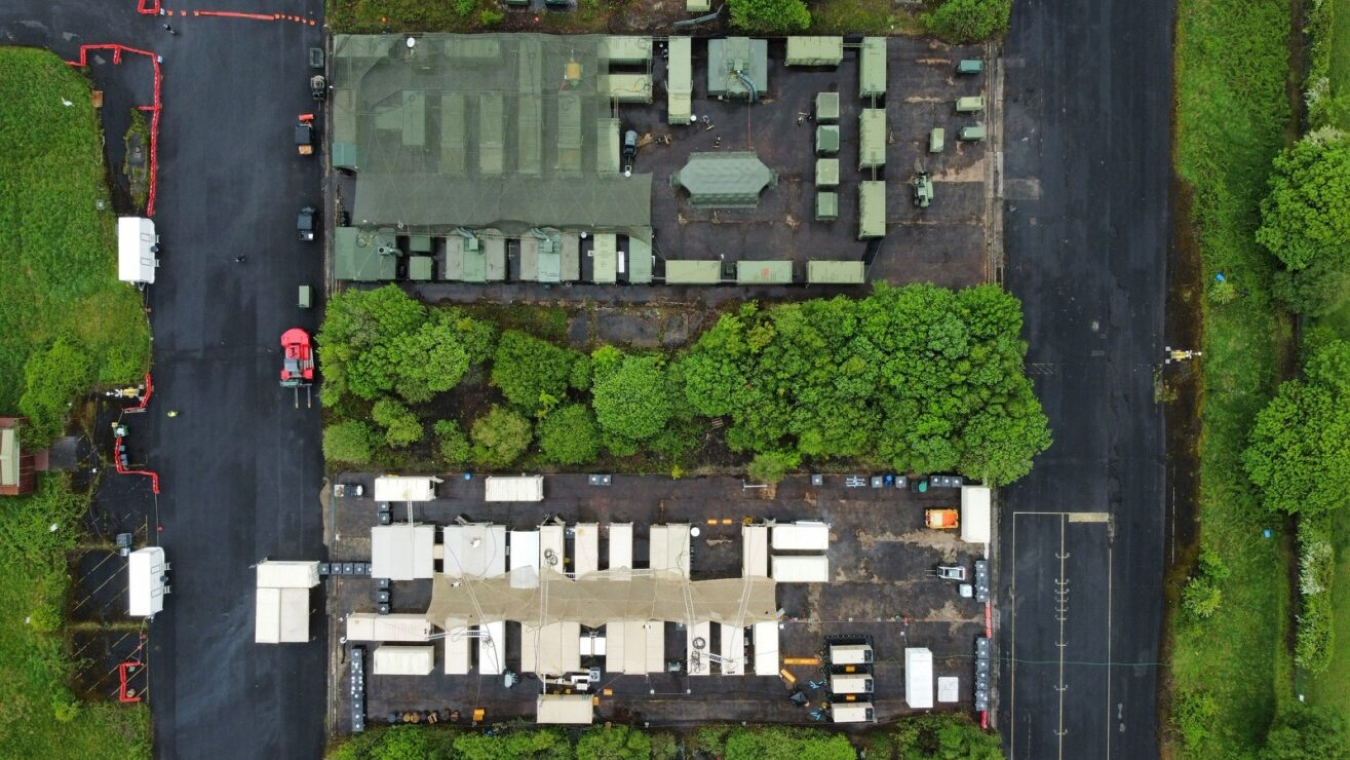
DNN is critical to deterring nuclear and radiological attacks against the United States. U.S. strategic deterrence starts with the world’s most robust, credible, and modern nuclear weapons stockpile. But it does not end there. To achieve deterrence, DNN and its partner agencies must also deny, detect, and defeat efforts by rogue states and terrorists to acquire nuclear or radiological weapons, as well as efforts by existing nuclear-armed adversaries to improve their arsenals and threaten the United States.
In executing its national security mission, DNN carefully tailors its projects so that they also enable American Energy Dominance. DNN partners with America’s nuclear industry to advance nonproliferation and commercial goals at every step of the deployment process; from the design of nuclear reactors, to the high-assay low-enriched uranium used to fuel them, to the agreements for nuclear cooperation that prepare their export. In turn, a strong and healthy U.S. commercial nuclear industry enhances national security and is a force multiplier for DNN’s work around the world.
- Read more about the office's work in DNN’s annual report to Congress and the DNN Sentinel newsletter.
- Learn about opportunities for U.S. companies to partner with DNN at the Nuclear Nexus web platform.
Global Material Security

The mission of the Office of Global Material Security (GMS) is to protect the U.S. Homeland by securing and preventing smuggling of nuclear and radioactive material and to promote U.S. prosperity by deploying secure nuclear technologies.
A single use of an improvised nuclear or radiological dispersal device anywhere in the world would have significant impacts, including loss of life and damage to U.S. assets or interests. Such an attack could result in billions of dollars in economic costs and significantly set back the expansion of U.S. nuclear energy.
To deny adversary access to dangerous nuclear and radiological material, GMS engages with international partners to establish their own security systems and practices that add to DNN’s multilayered defense against proliferation and terrorism and stop threats before they reach U.S. borders. GMS also works domestically across all 50 states to secure American communities from radiological risks.
In addition, GMS works with U.S. industry to export safe, secure, and reliable nuclear facilities, to develop and deploy alternative technologies for radiological devices, and to deploy advanced detection technologies to stop smuggling of nuclear and radioactive materials.
GMS is organized into three parts: the Offices of International Nuclear Security, Radiological Security, and Nuclear Smuggling Detection and Deterrence.
The Office of International Nuclear Security (INS) leads U.S. efforts to prevent theft of nuclear material and sabotage of nuclear facilities worldwide, while helping keep the United States safe, strong, and prosperous. By working with U.S. industry to export safe, secure, and reliable nuclear facilities, while preventing sabotage at operating sites, INS efforts support the critical role of nuclear power in unleashing energy dominance by reinvigorating the nuclear industrial base.

The Office of Radiological Security (ORS) makes the United States safer, stronger, and more prosperous by eliminating the risk of a radiological dispersal device, or any other malicious use of radioactive material. Where radioactive material is still needed, ORS works with industry, law enforcement, and other government organizations to prevent adversaries from acquiring and using it by providing cutting edge technologies and capabilities to partners.
The Office of Nuclear Smuggling Detection and Deterrence (NSDD) strengthens U.S. national security by detecting and defeating the smuggling of radioactive and nuclear material before it can be weaponized and used against the U.S. Homeland, our interests, or allies. NSDD works with border security and law enforcement organizations to provide a suite of proven radiation detection equipment, along with tailored process and procedure development. This enables these organizations to perform their own operations to detect, disrupt, and investigate nuclear or radioactive materials out of regulatory control. This approach builds long lasting counter nuclear smuggling capabilities and increases U.S. layered defenses against proliferation, keeping terrorism far from U.S. borders.
Material Management and Minimization
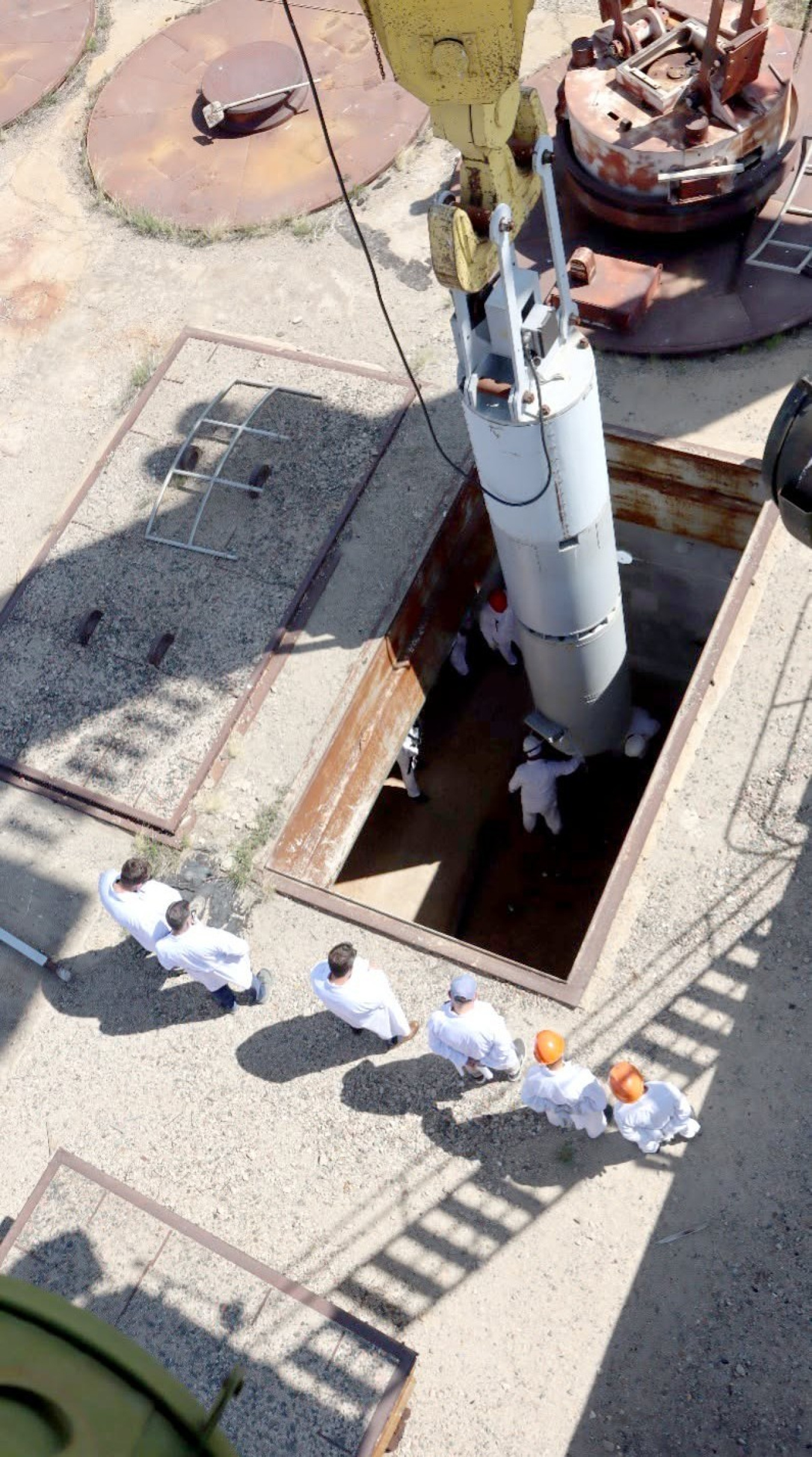
Material Management and Minimization’s (M3) mission is to deny terrorists and adversary state actors access to weapons-usable nuclear material while deploying tools and capabilities to enable continued peaceful uses of nuclear technology.
The M3 program makes America safer by partnering with National Laboratories and U.S. industry to develop innovative technical solutions to minimize the availability of highly enriched uranium (HEU); remove or eliminate at-risk nuclear material; and manage excess weapons-usable nuclear material in the United States through multiple pathways in compliance with Presidential Executive Order 14302, “Reinvigorating the Nuclear Industrial Base.”
The Office of Reactor Conversion and Uranium Supply, or Convert, works to deny terrorists and adversary state actors the materials needed to produce a nuclear weapon by converting civilian research reactors and medical isotope production facilities in the United States and around the world from HEU to high-assay low-enriched uranium (HALEU). These efforts result in permanent threat reduction by eliminating the use of HEU in civilian applications while supporting the long-term use of HALEU.
Convert also downblends HEU that has been declared excess from the nuclear weapons stockpile and makes the resulting HALEU available for sale for research reactor fuel and medical isotope production, as well as to U.S. industry in support of advanced reactor demonstrations. Convert is also working to develop and qualify new HALEU fuels for some of the most complicated research reactors in the world that use existing HALEU fuel options. Additionally, Convert works with reactor designers to help improve proliferation resistance in facilities around the world through Proliferation Resistance Optimization (PRO-X).
As part of its mission, Convert manages the Molybdenum-99 (Mo-99) Program. Mo-99’s decay product, technetium-99m, is used daily in over 40,000 medical procedures in the United States to perform heart stress tests, identify cancer throughout the body, and study organ structure and function. Historically, most Mo-99 was produced using HEU targets, but in 2023, all major global Mo-99 production facilities were successfully converted to non-HEU processes through partnership with NNSA. Convert has also provided financial and technical assistance to support establishing domestic production of Mo-99 without the use of HEU. NNSA and DOE’s Office of Environmental Management jointly manage the Uranium Lease and Take-Back Program, where NNSA makes HALEU available through lease contracts for the domestic production of Mo-99 for medical uses.
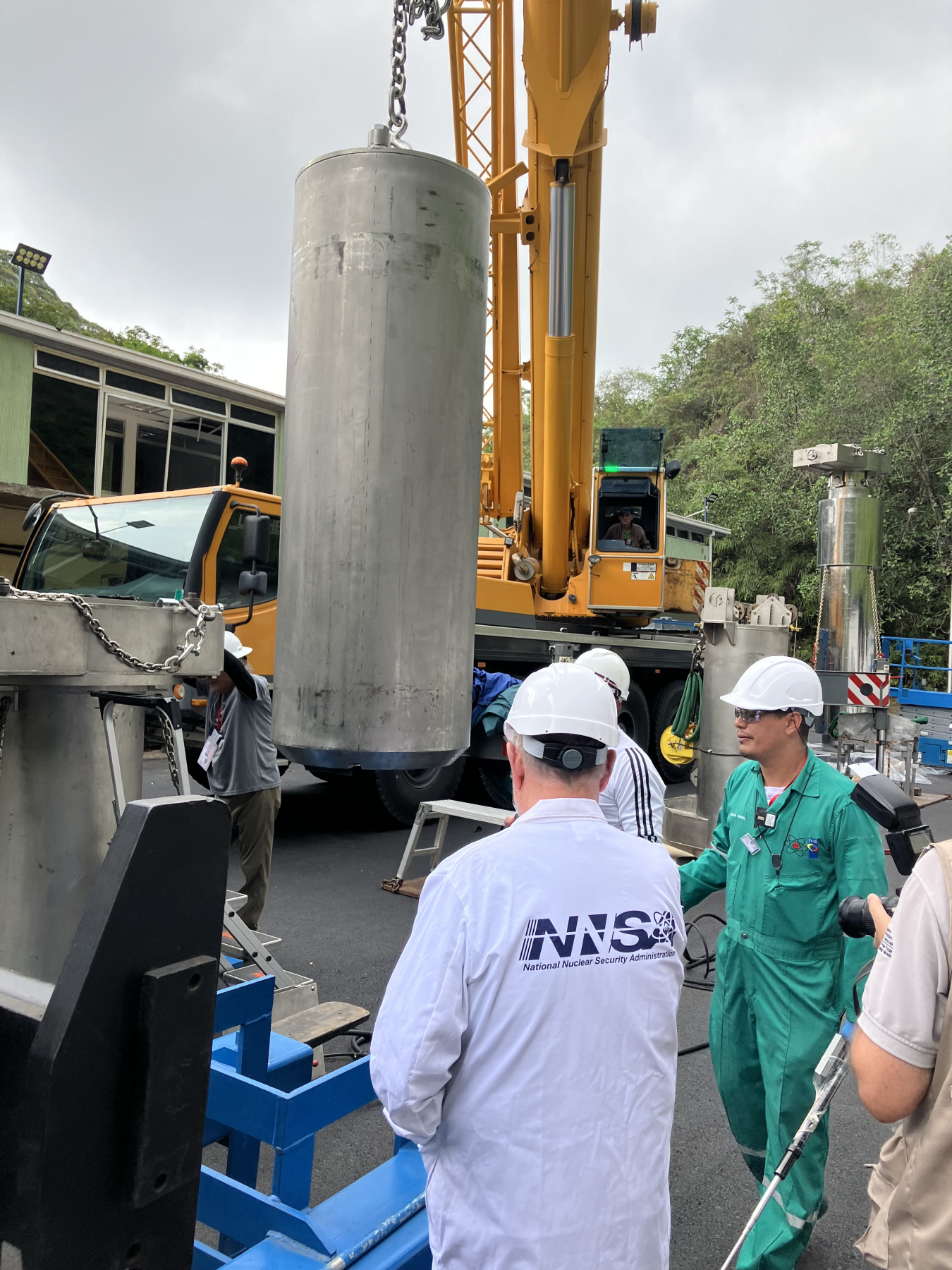 NNSA technical experts overseeing the loading of nuclear fuel into the specialized spent nuclear fuel cask during the removal of highly enriched uranium from Venezuela.
The Office of Nuclear Material Removal and Elimination, or Remove, works to deny terrorists and adversary state actors the materials needed to produce a nuclear weapon. The office works directly with international partners to eliminate HEU and plutonium wherever possible, by repatriating these materials to the country of origin or eliminating them on-site. Each kilogram removed or eliminated permanently eliminates the risk these materials could be used against the United States or its interests.
Remove also maintains unique operational capabilities to characterize, stabilize, package, and remove at-risk nuclear material from anywhere in the world. The Mobile Packaging program’s technical experts and specialized equipment remain ready to respond to pressing nuclear material challenges in support of U.S. Government objectives.
Finally, through its Nuclear Infrastructure Threat Reduction program, Remove works to permanently dismantle or disable sensitive nuclear infrastructure at decommissioning research facilities, permanently eliminating the risk the equipment could be diverted or stolen.
The Office of Plutonium Management works to deny hostile actors access to weapon-usable material through responsible management of plutonium while advancing U.S. nuclear dominance. The program is disposing of surplus plutonium in a safe and secure manner, including removing surplus plutonium to meet DOE’s legal obligations to the State of South Carolina and in compliance with the President’s Executive Order 14302 on Reinvigorating the Nuclear Industrial Base. Plutonium Management partners with the Offices of Defense Programs and Nuclear Energy to transfer surplus plutonium inventories suitable for defense or industry purposes. The Office of Plutonium Management also engages with international partners to develop and strengthen cooperation on the safe and secure management of plutonium materials and technologies.
Nonproliferation and Arms Control
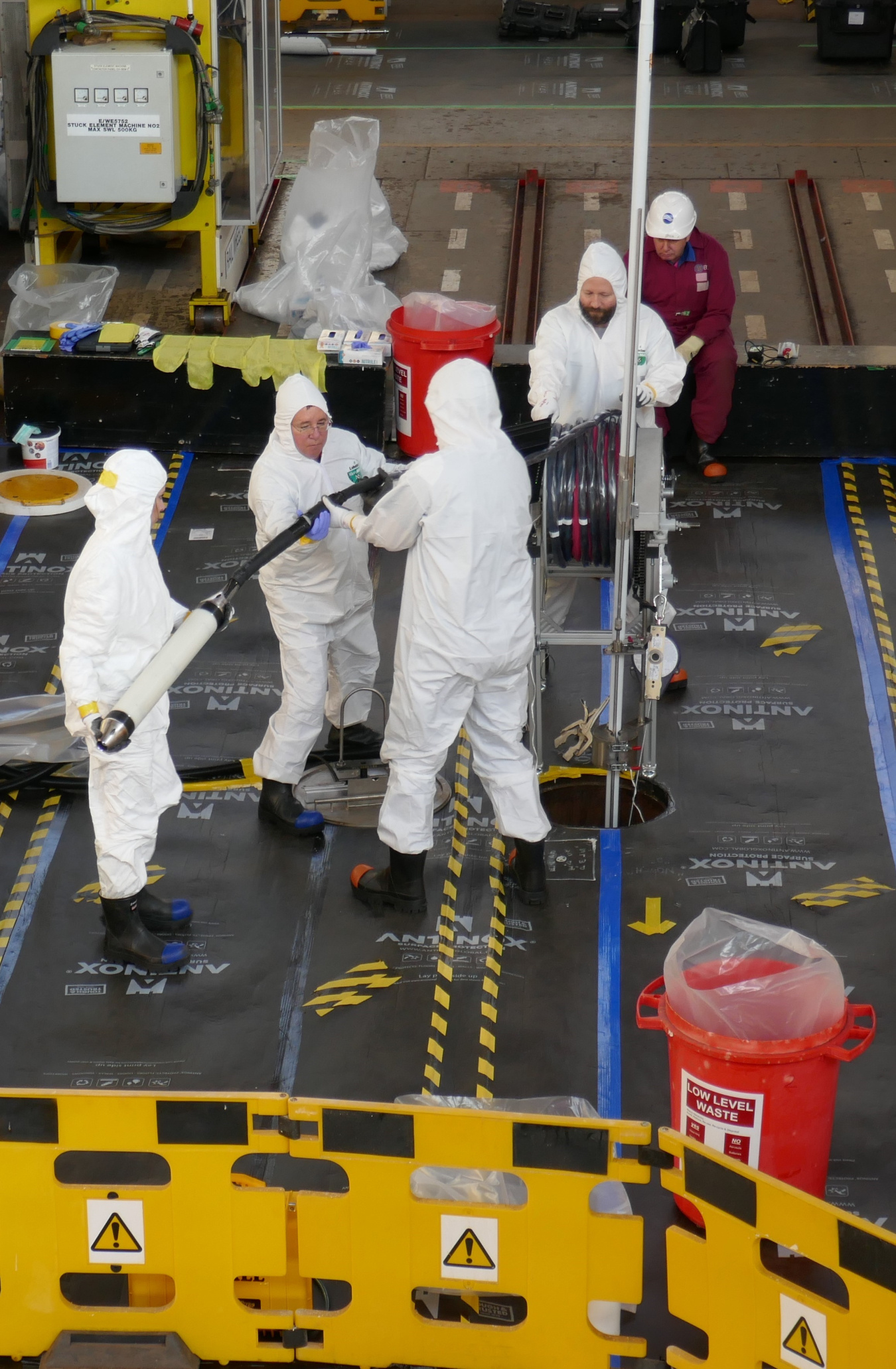
The Office of Nonproliferation and Arms Control (NPAC) implements the Administration’s programs and policies to support the American nuclear industry while advancing U.S. nonproliferation, monitoring and verification priorities, and U.S export controls.
NPAC has three core competencies:
- Securing the Industrial Supply Chain
- Monitoring and Verification
- Civil Nuclear Cooperation
NPAC executes its mission through four subprograms:
- International Nuclear Safeguards
- Nuclear Export Controls
- Nuclear Verification
- Civil Nuclear Cooperation and Engagement
NPAC plays a leading role in addressing national security and economic competitiveness threats while also drawing upon its expertise to anticipate emerging nonproliferation challenges and develop technical solutions.
NPAC protects America’s civil nuclear supply chains and implements regulatory and statutory requirements to advance U.S. civil nuclear technologies globally and empower trade relationships that benefit U.S. businesses. In addition, NPAC protects America’s emerging technologies, such as artificial intelligence and quantum technologies, and the associated U.S. industrial base from exploitation from international competitors and would-be proliferators. NPAC also conducts technical reviews of thousands of export licenses for nuclear and dual-use commodities and strengthens domestic and global capacity to detect and prevent diversion of commodities and technologies to adversaries’ weapons of mass destruction (WMD) and military programs, creating a more secure environment for U.S. industry to operate globally. Further, NPAC implements Executive Order 14299, "Deploying Advanced Nuclear Reactor Technologies for National Security,” by engaging with American advanced reactor designers and other stakeholders to provide expert support in promoting the timely incorporation of safeguards by design through programmatic and technical initiatives. NPAC has trained 27 U.S. advanced reactor designers on safeguards by design and engages directly with 8 U.S. advanced reactor developers.
NPAC strengthens the International Atomic Energy Agency’s (IAEA) ability to verify foreign nuclear programs and the peaceful use of nuclear materials in 190 countries, and develops efficient and cost-effective safeguards tools, technologies, and methods, including a uranium enrichment platform to enhance IAEA and U.S. monitoring capabilities. NPAC prevents the illegal diversion of dangerous nuclear materials and WMD-related commodities and technologies to prevent threats before they reach the U.S. border and strengthens the capacities of international partners to do the same. NPAC delivers applied technical measures and implementation capabilities to enable safe, secure, and verifiable reductions and limitations and monitoring of nuclear warheads, fissile material production and associated facilities, and chemical weapons. NPAC also maintains technical readiness to negotiate and implement future nuclear threat reduction initiatives, including through the development of testbeds to train technical experts on warhead monitoring and verification.
NPAC implements Executive Order 14299, "Deploying Advanced Nuclear Reactor Technologies for National Security,” by streamlining regulatory and programmatic processes to allow the U.S. nuclear industry to engage with foreign partners (123 Agreements, 10 CFR Part 810), including through the Department’s development and deployment of advanced automation tools. NPAC strengthens U.S. national security and facilitates peaceful civil nuclear cooperation by reducing global nuclear proliferation threats and enabling U.S. industry in the expansion of U.S. nuclear influence globally. It also develops programs and strategies to advance U.S. nuclear energy dominance, including through the development of close relationships with new nuclear market entrants, while supporting nonproliferation objectives. NPAC advances American leadership at the IAEA to ensure that partner states implement the highest standard of international safeguards required to enable peaceful nuclear cooperation consistent with U.S. law. NPAC also implements regulatory and statutory requirements to advance U.S. civil nuclear technologies globally to counter Russian and Chinese influence.
Defense Nuclear Nonproliferation Research and Development

The Defense Nuclear Nonproliferation Research and Development (DNN R&D) program directly contributes to national security by developing U.S. capabilities to detect and characterize global nuclear threats in full coordination with the goals and priorities of U.S. Government mission stakeholders across nonproliferation, nuclear warfighting, counterterrorism, and counterproliferation mission areas. In addition, the DNN R&D program sustains and develops foundational nonproliferation technical competencies to provide the technical depth and agility needed to support a broad spectrum of U.S. nonproliferation missions and anticipate threats.
The DNN R&D program makes these strategic contributions through the development of innovative U.S. technical capabilities to detect, identify, locate, and characterize: foreign nuclear material production and weapons development activities; movement of special nuclear materials, including nuclear warheads; and nuclear detonations anywhere in the world and space. Additionally, the program advances U.S. nuclear forensics technical capabilities to enable rapid decision-making during nuclear or radiological incidents and determinations of the origin of interdicted materials or nuclear devices.
To execute these activities, DNN R&D leverages the unique facilities and scientific skills of the DOE/NNSA National Laboratories and sites and universities to perform research and demonstrate advances in capabilities, develop prototypes, and produce sensors for integration into operational systems.