



NNSA delivered its fifth next-generation Global Burst Detector sensor payload to the U.S. Space Force this month. They monitor for above-ground nuclear detonations around the world.
National Nuclear Security Administration
July 23, 2026 Estimated Read Time min
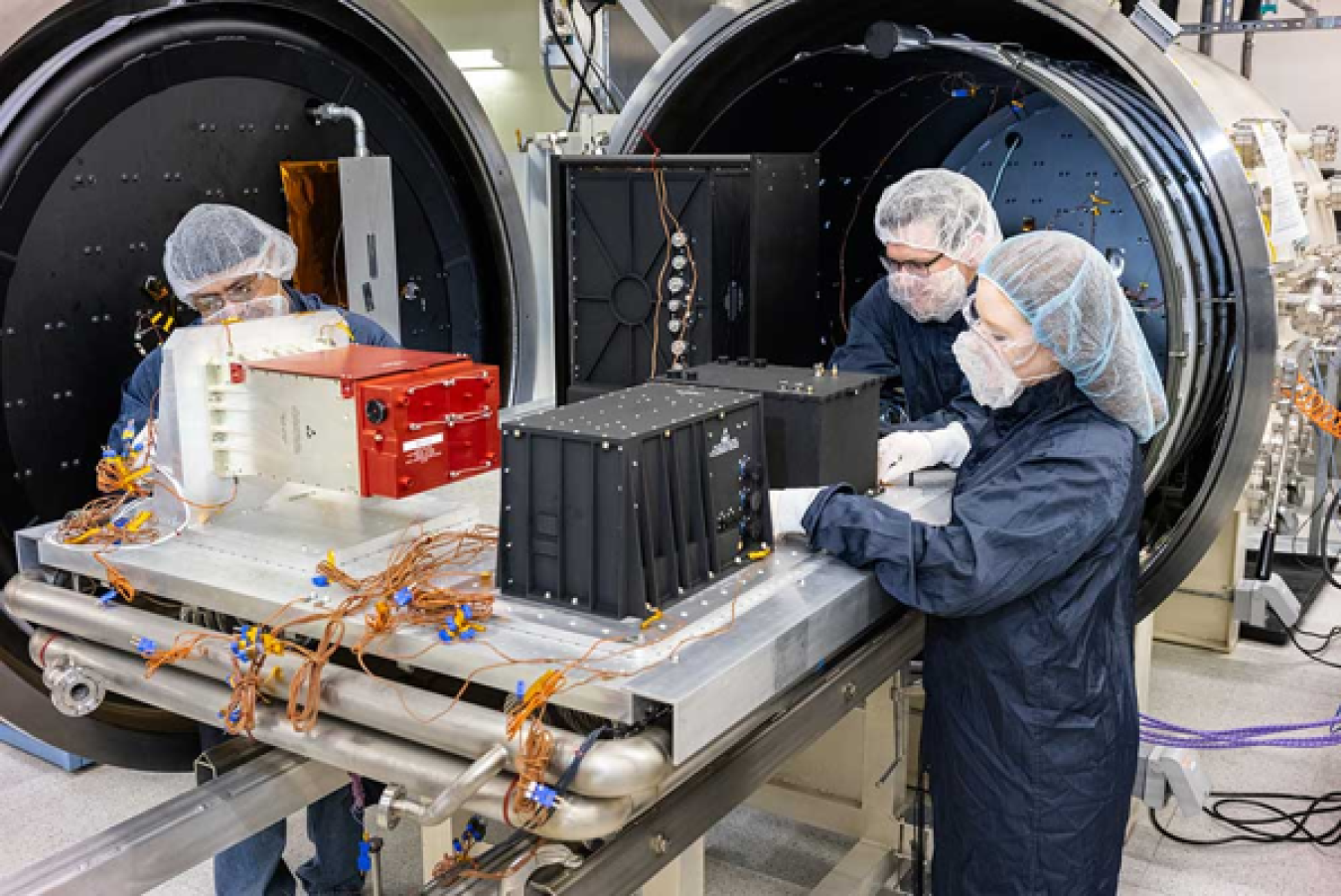
WASHINGTON – The National Nuclear Security Administration (NNSA) delivered its fifth next-generation Global Burst Detector (GBD) sensor payload to the U.S. Space Force this month. Designed to monitor above-ground nuclear detonations around the world, these space-based sensors are part of a system that has anchored the nation’s nuclear explosion detection capabilities for more than six decades.
Orbiting about 12,550 miles above the planet on U.S. Global Positioning System (GPS) satellites, GBD sensors provide 24/7 monitoring capabilities. This mission, which began in the early 1960s, supports the U.S. Nuclear Detonation Detection System to sense nuclear events on the Earth’s surface.
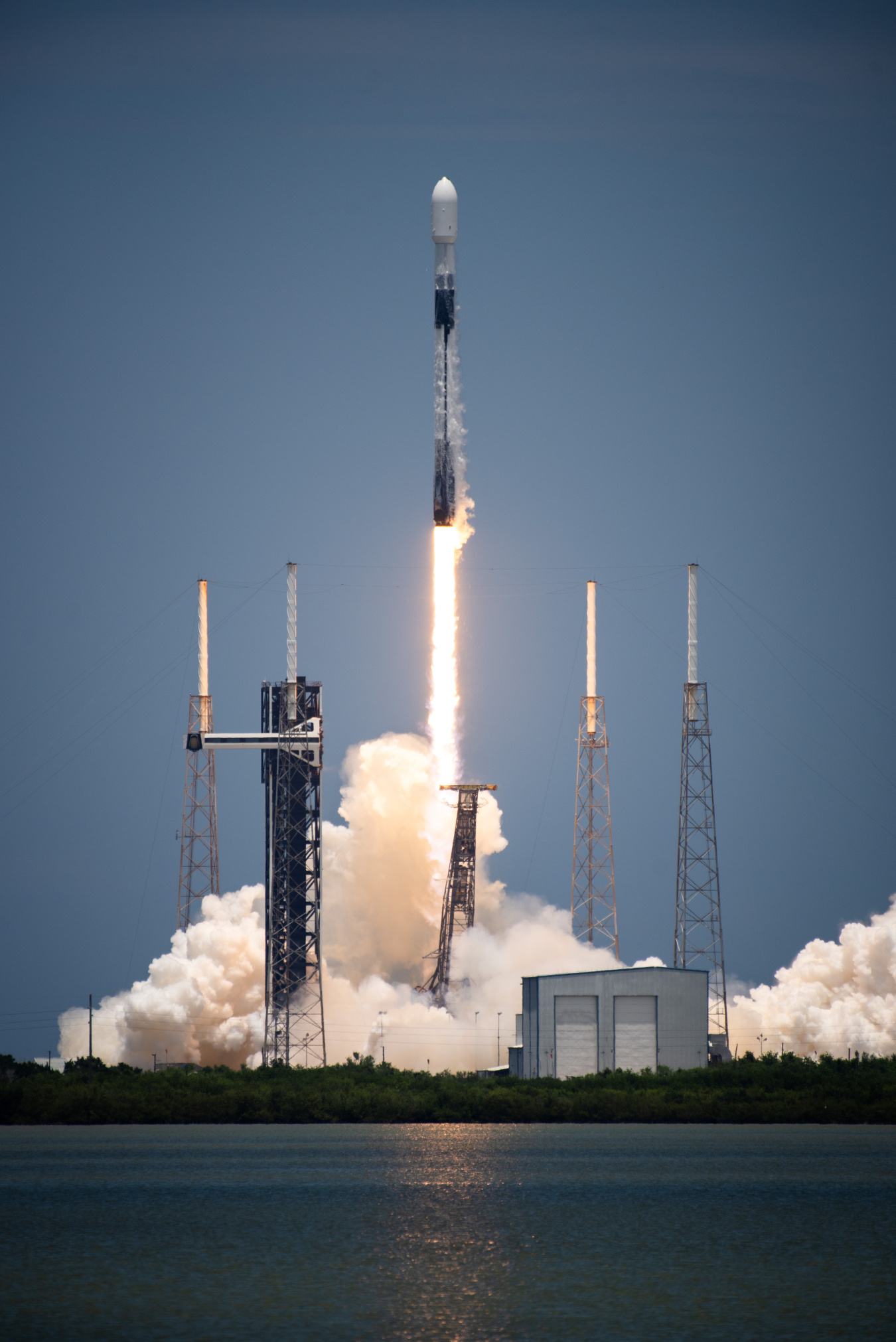
“A strong nuclear deterrence posture is critical to shielding America against attack, and the delivery of this capability provides the nation with the capability to detect nuclear detonations under all conditions,” said Matthew Napoli, NNSA’s Deputy Administrator for Defense Nuclear Nonproliferation. “Once launched, this next-gen GBD payload will join the existing satellites, ensuring monitoring capability well into the future.”
GBD sensors are designed, manufactured, and delivered through a partnership between Los Alamos National Laboratory (LANL) and Sandia National Laboratories (SNL), with essential systems engineering and independent mission assurance support from Lawrence Livermore National Laboratory (LLNL) and The Aerospace Corporation.
The GBD payload has multiple systems that recognize the unique signatures produced by nuclear explosions. SNL designs and produces the optical sensors and sensor management subsystem. LANL develops the electromagnetic pulse, X-ray, and charged-particle sensors. LLNL and The Aerospace Corporation perform independent checks to confirm that computer models and simulations are accurate, ensuring that the systems will work as intended.
The development, production, and deployment of these systems involves rigorous engineering, technology development, manufacturing, review, and testing to certify the GBD sensors for spaceflight. Once completed, the payload is delivered to the U.S. Space Force’s GPS spacecraft contractor for integration and launch.