



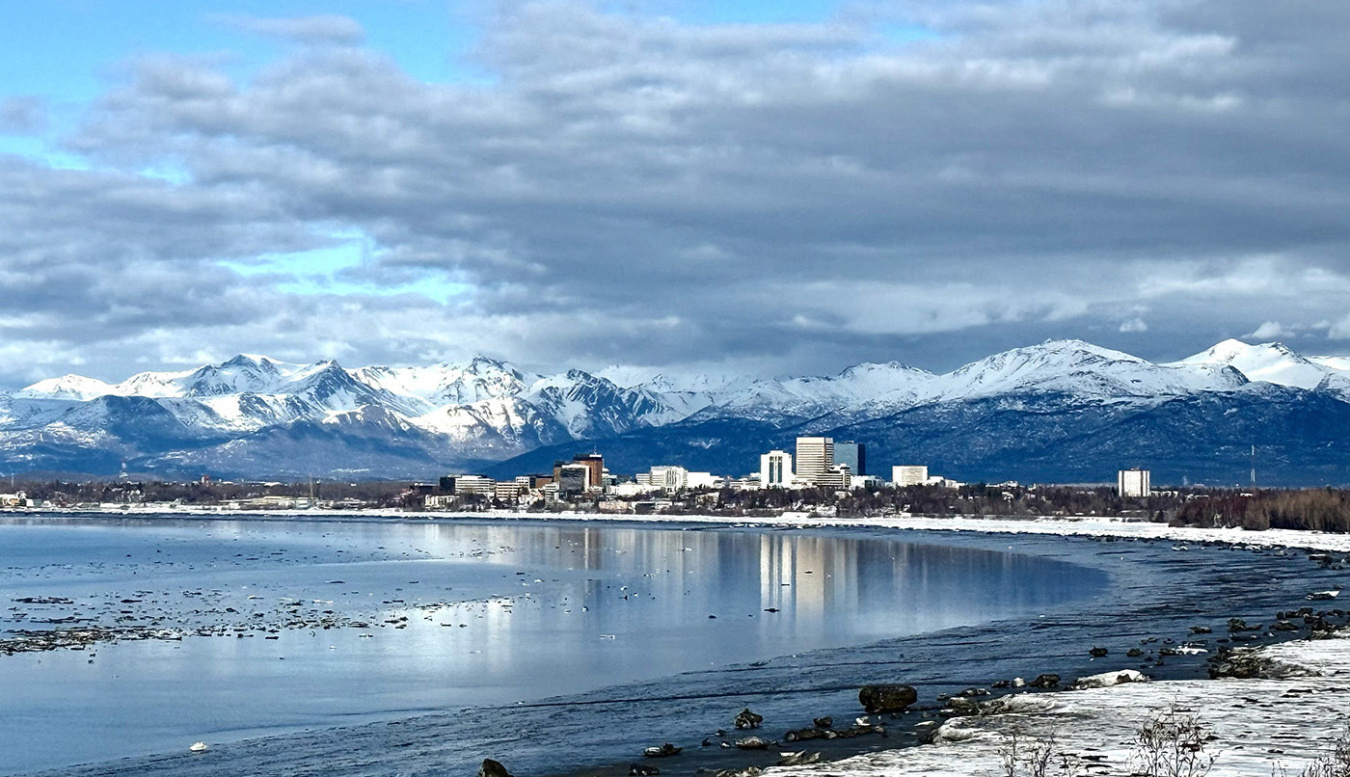
Two IE team members experience Alaska’s distinct geography, climate, and infrastructure realities from two different perspectives.
Office of Indian Energy Policy and Programs
April 23, 2026 Estimated Read Time min
Earlier in April, two team members of the U.S. Department of Energy (DOE) Office of Indian Energy Policy and Programs (IE) were able to attend the Alaska Infrastructure Development Symposium held in Anchorage. With one traveling by air all the way from Washington, D.C. and the other traveling just across the city, these team members experience Alaska’s distinct geography, climate, and infrastructure realities from two different perspectives.
From DC to Alaska: Connecting Communities, Resources, and Purpose
A First Visit, A Lasting Impact
Traveling from Washington, D.C. to Anchorage, Alaska for the Alaska Infrastructure Development Symposium was more than just a work trip. It was an opportunity to connect federal resources with real community needs in one of the most unique and complex regions in the country.
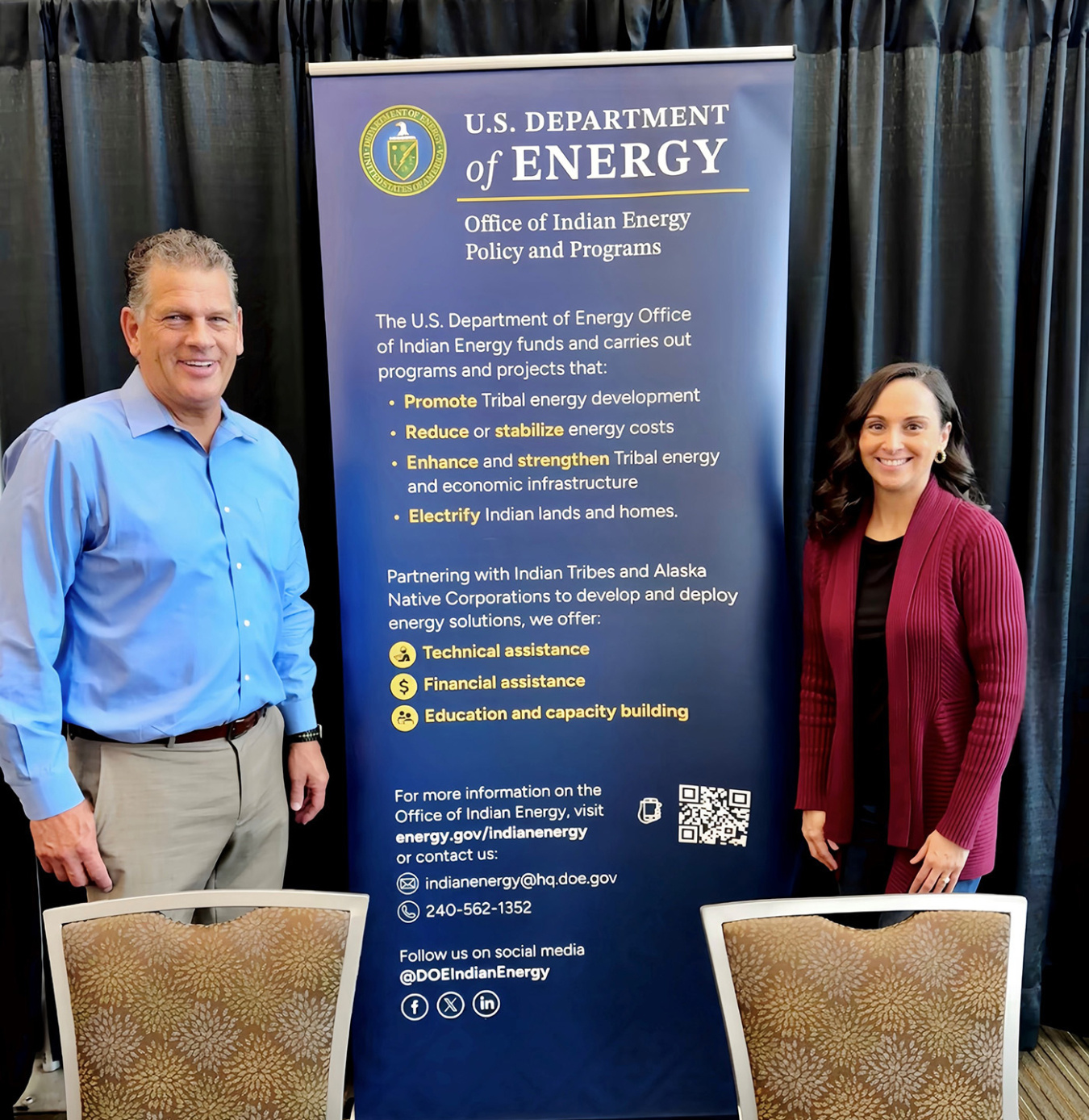
Representing IE, I had the privilege of staffing a booth alongside my colleague, Michael Spencer, who is based in Alaska. Together, we engaged with attendees from across Alaska, sharing information about our latest Notice of Funding Opportunity (NOFO) - Unleashing Tribal Energy Development, Tribal Navigator Services, Technical Assistance Offerings, and upcoming webinars.
What stood out most was genuine curiosity, thoughtful questions, and strong desire from communities to access and leverage these resources.
On the Stage: Sharing Resources, Building Bridges
I had the honor of participating in two speaking sessions during the symposium:
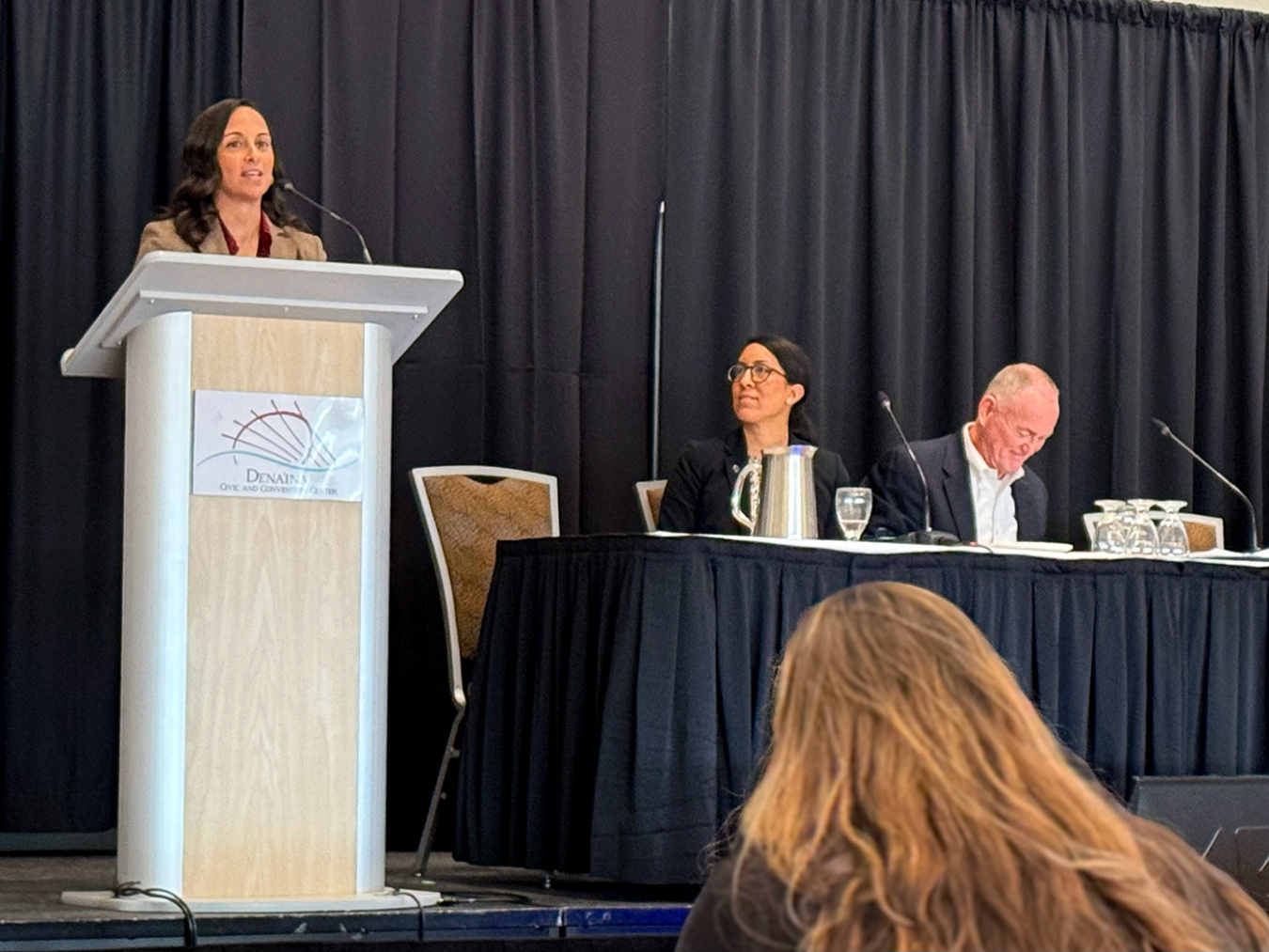
- Thriving Communities Program / Funder Coordination Session
We provided an overview of DOE funding opportunities and priorities, followed by an interactive Q&A session. Participants were highly engaged, and it was rewarding to share practical resources they could take back to their communities.
- Federal Agency Program Update Panel
I joined an incredible panel alongside Melissa Newton, the U.S. Department of Transportation’s Deputy Assistant Secretary of Intergovernmental Affairs, and Peter Simons, Office of Port Infrastructure Development’s (Acting) Director. We each delivered a 30-minute overview of our respective programs, highlighting how federal agencies can support infrastructure and economic development efforts across Alaska.
These sessions reinforced the importance of clear communication and making federal programs accessible and actionable.
Federal Leadership and Alaska’s Unique Needs
We also heard from Alaska’s federal delegation, including Senator Lisa Murkowski and Representative Nick Begich.
Both leaders emphasized the need for a federal approach that recognizes Alaska’s distinct geography, climate, and infrastructure realities. Senator Murkowski has long highlighted the importance of practical, community-driven energy and infrastructure solutions, particularly for remote and Tribal communities. Congressman Begich similarly underscored the importance of targeted investment and regulatory flexibility to ensure federal programs effectively serve Alaskans where they are.
Their remarks reinforced a central theme of the symposium: one-size-fits-all solutions simply don’t work in Alaska.
Beyond the Conference: Experiencing Alaska
Coincidentally, this trip took place over my birthday weekend, so I carved out time after the conference concluded to take a day off to explore and take in the beauty of Alaska.
Spending time at the Anchorage Museum offered meaningful insight into Alaska Native cultures, highlighting how storytelling, art, and lived experiences are preserved and shared to strengthen identity across Native villages. It served as a place where culture, history, and community voices are preserved and passed on to future generations.
At the Alaska SeaLife Center, I learned about their vital work in marine conservation and wildlife rehabilitation, protecting Alaska’s ecosystems and educating the public.
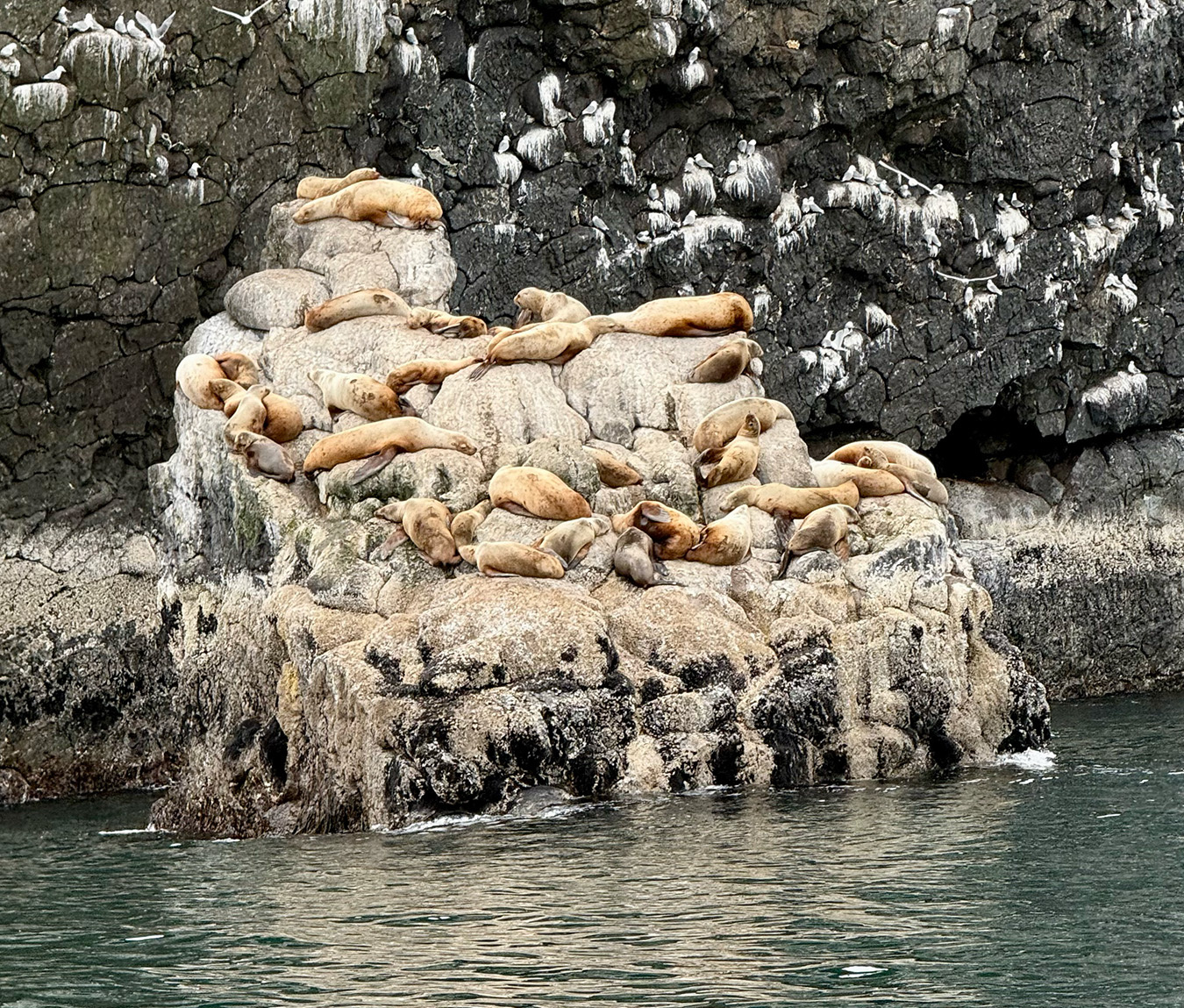
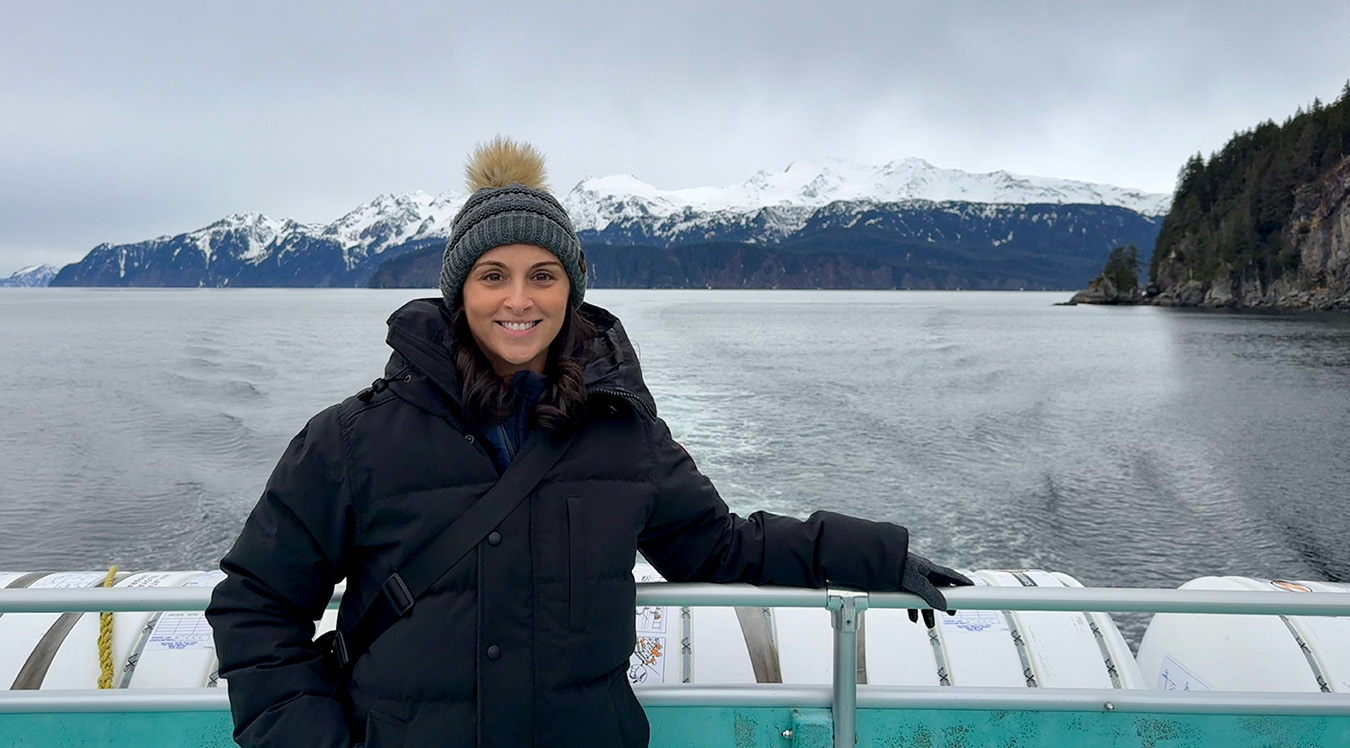
Another highlight of the trip was the 4-hour boat tour through Kenai Fjords National Park and Resurrection Bay. I witnessed sea lions, seabirds, seals, bald eagles, and even humpback whales. The scenery, towering mountains, glaciers in the distance, and untouched wilderness was breathtaking and unforgettable.
Final Reflections
This experience was deeply meaningful both professionally and personally.
- It strengthened partnerships between federal, nonprofit, and local organizations.
- It provided invaluable insight into the needs of Alaska Native communities.
- It reaffirmed the importance of meeting people where they are with clarity, respect, and resources that truly serve.
I left Alaska not only inspired by its beauty but energized by the opportunity to help ensure that federal programs reach the communities they are meant to support.
~ Authored by Sandy Pagan, Tribal Energy Navigator, Office of Indian Energy (located in the Washington, D.C. area)

Alaska: A Land of Extremes and Unyielding Spirit
Alaska. The name alone conjures images of vast wilderness and rugged beauty. It's a place where superlatives fall short, a land two and a half times the size of Texas, stretching from temperate coastal rainforests to arid Arctic deserts. Here, dramatic landscapes are not merely scenery but a way of life.
I’ve been living in Alaska for nearly 60 years, and as an Alaska-based Technical Project Officer for IE, I welcome visits like Sandy’s from my colleagues. It gives them a chance to see IE dollars at work and the opportunity to see just how critical these projects are for Alaskan Natives.
Our environment is as dynamic as it is diverse. Active volcanoes punctuate the skyline, earthquakes are a fact of life, and even typhoons can sweep through our shores. Temperatures swing wildly, easily ranging from a bone-chilling -20°F to a balmy 90°F. Yet, amidst these extremes, Alaskans don't just survive, we thrive.
Just like our landscape, Alaskans themselves are a tapestry of diverse and unique cultures. More than half of all federally recognized Tribes in the United States call Alaska home. This rich heritage has forged a profound sense of community and an ingrained reliance on one another for survival.
It's this resilient spirit that drives initiatives like the Alaska Infrastructure Development Symposium. These gatherings are more than just conferences; they are vital forums where Alaskans connect, share invaluable experiences, and learn what truly works, what doesn't, and the hard-won lessons that steer us forward. This collaborative spirit is the very essence of how we Alaskans excel and continue to build a thriving future.
~ Authored by Michael Spencer, Technical Project Officer, Office of Indian Energy (based in Anchorage, Alaska)