



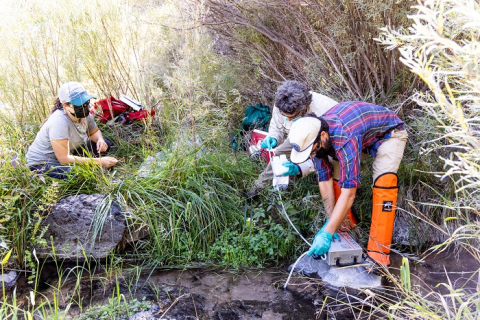
The EM Los Alamos Field Office (EM-LA) has been able to navigate shallow sections of the Rio Grande and its tributaries to sample for contaminants despite unseasonably low water levels this year.
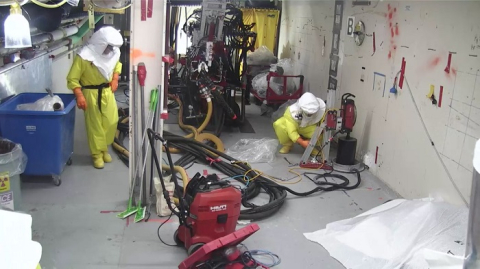
With Old Man Winter knocking at the door, EM Richland Operations Office (RL) contractor Central Plateau Cleanup Company (CPCCo) is preparing the Hanford Site’s 324 Building to continue important risk-reduction work as the weather turns colder.
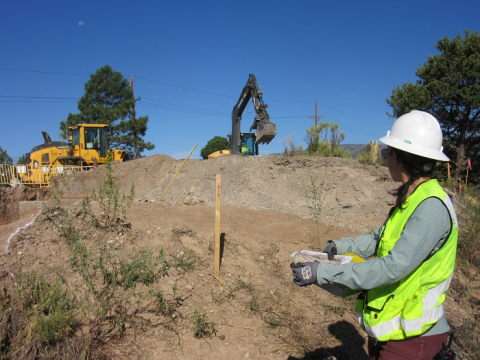
The EM Los Alamos Field Office and its cleanup contractor have collected more than 3,100 soil samples and excavated more than 1,000 cubic yards of contaminated soil as they remediate land at the southernmost boundary of Los Alamos National Laboratory.
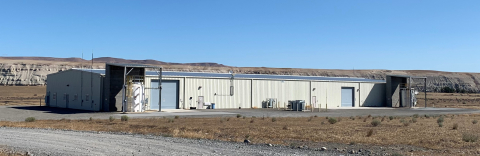
The Hanford Site is closing in on treating 28 billion total gallons of groundwater to remove contamination since treatment began in the mid-1990s, significantly reducing risk to the Columbia River.
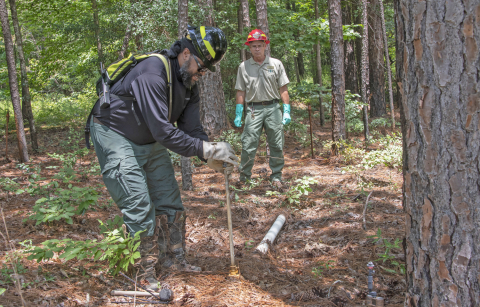
Scientists in the EM program are using a 62-acre plantation of pine trees and other natural resources to greatly limit radioactively contaminated groundwater from reaching waterways on the Savannah River Site (SRS).
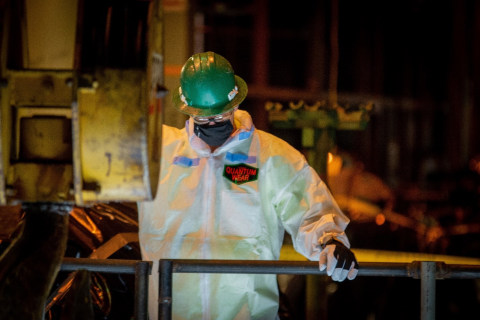
Since the inception of the EM program in 1989, the Paducah Site has made notable achievements in groundwater cleanup, waste removal, and other work advancing its environmental cleanup mission following more than 60 years of uranium enrichment operations.
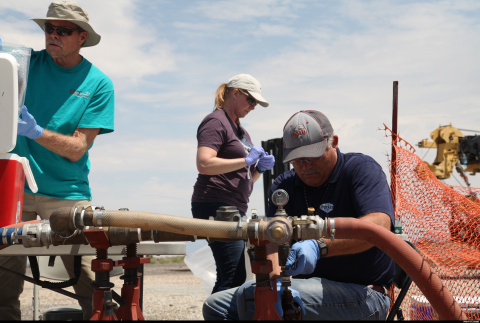
The EM Nevada Program recently reached a major milestone when its environmental program services contractor reached 3.5 million hours without a lost workday due to a safety incident.
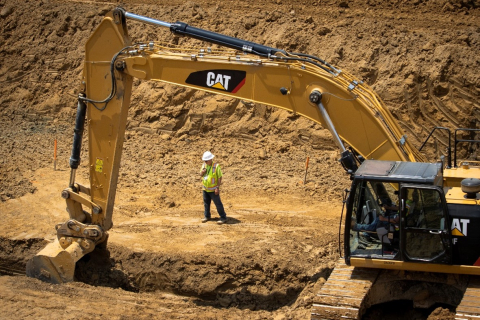
Work is underway at EM’s Portsmouth Site on the first of five legacy groundwater plumes to be excavated for soil needed in the newly constructed On-Site Waste Disposal Facility (OSWDF).

The Savannah River Site (SRS) has made significant progress in cleaning up contaminated groundwater from legacy nuclear operations near two chemical separations facilities.
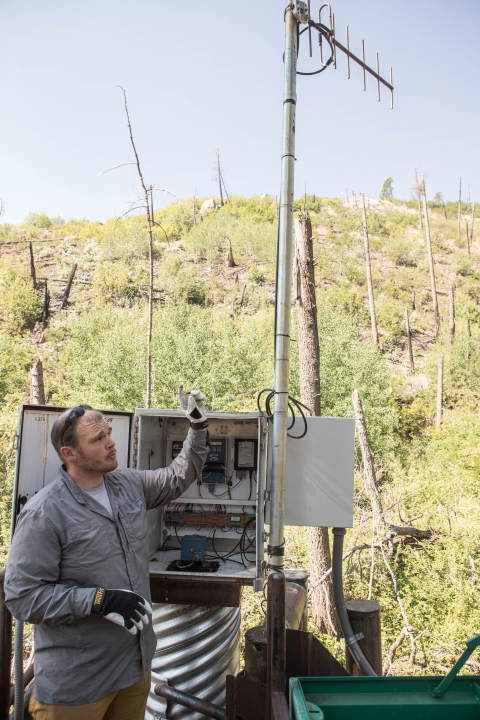
With hopes for rain during monsoon season amid exceptional drought conditions, the EM Los Alamos Field Office and cleanup contractor Newport News Nuclear BWXT-Los Alamos recently activated samplers at 183 monitoring sites that collect surface water.