



Sampling crews with U.S. Department of Energy contractor Central Plateau Cleanup Company are always on the move in pursuit of groundwater cleanup progress on the Hanford Site. May 12, 2026
Office of Environmental Management
May 12, 2026 Estimated Read Time min
RICHLAND, Wash. — Sampling crews with U.S. Department of Energy contractor Central Plateau Cleanup Company (CPCCo) are always on the move in pursuit of groundwater cleanup progress on the Hanford Site.
Each year, these road warriors log more than 80,000 miles across the 580-square-mile site, collecting up to 25,000 samples of soil and groundwater from 4,300 well trips. The samples are carefully packaged and labeled before being shipped to an offsite laboratory for analysis.
Detailed data gleaned from analysis of the measurements and samples helps gauge the performance of ongoing remediation efforts and supports decision-making to drive efficient, cost-effective cleanup approaches.
“Groundwater sampling is a key part of our robust remediation program,” said Naomi Jaschke, Hanford Field Office assistant manager for River and Plateau, Soil & Groundwater Division. “The quality of information we get from the thousands of collected samples each year is invaluable for evaluating current cleanup methods and planning future cleanup efforts to support our mission to protect the Columbia River.”
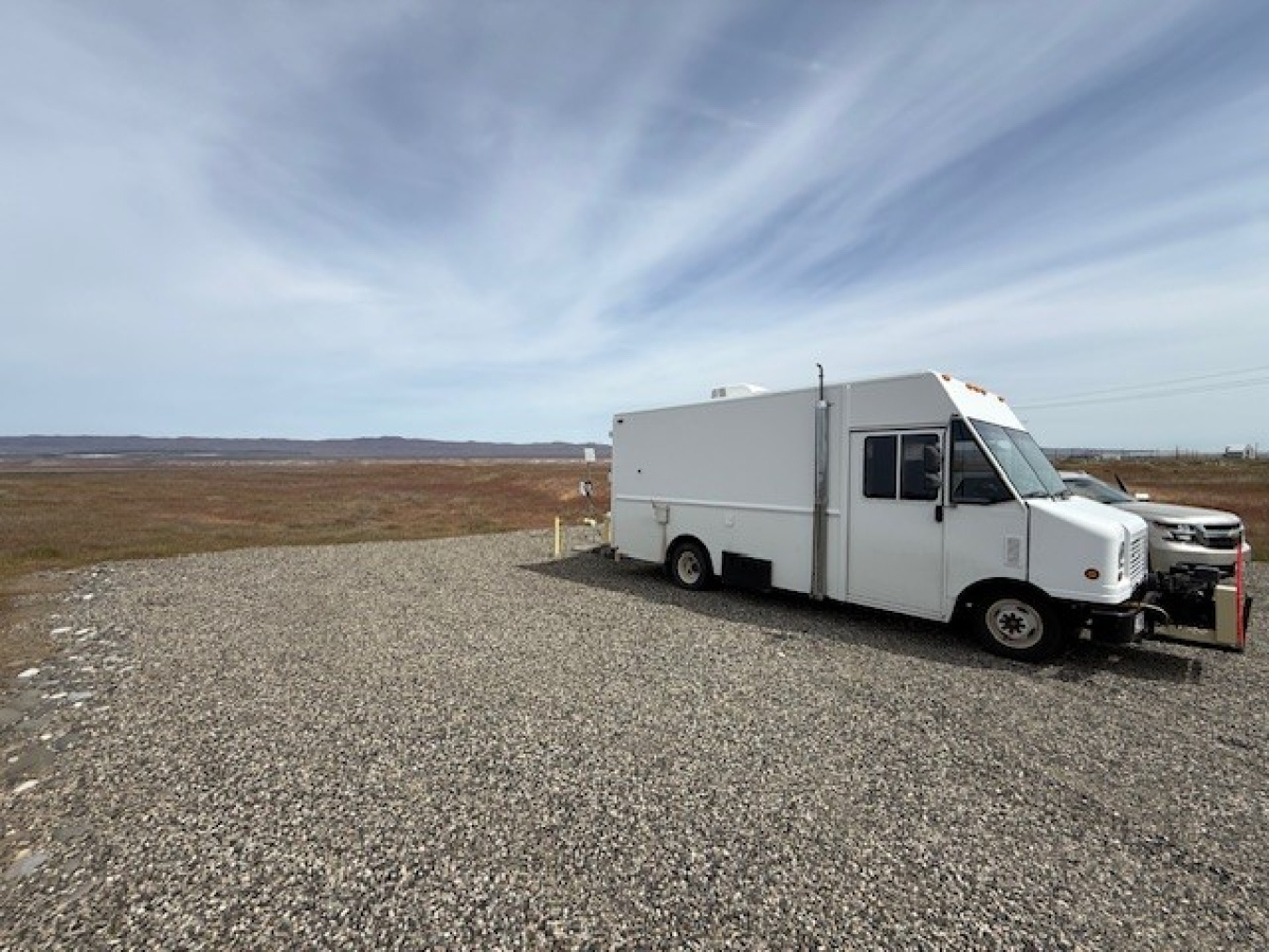
Many of the thousands of wells on the 580-square-mile Hanford Site are in remote locations, requiring significant travel to conduct groundwater sampling activities.
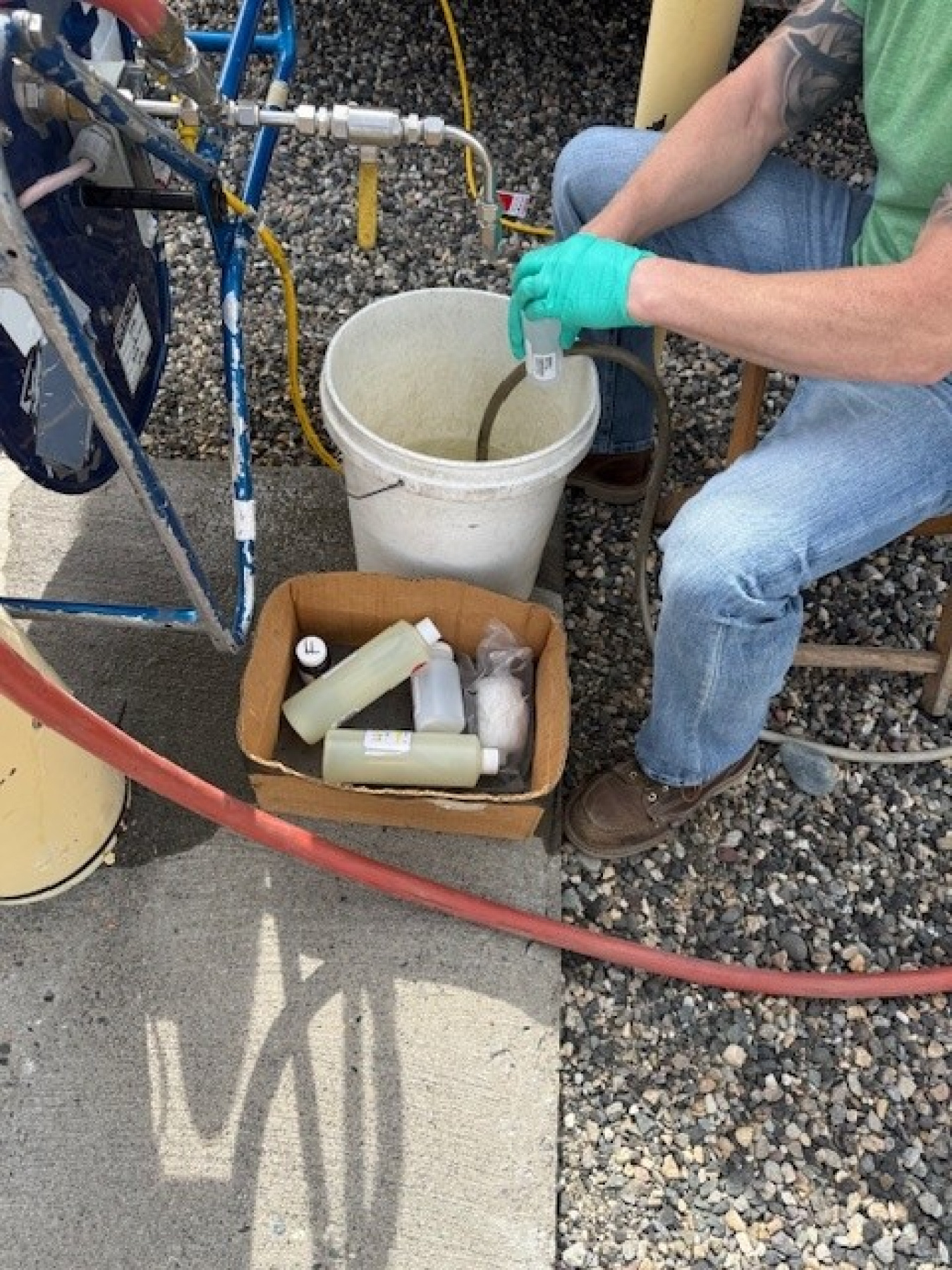
A worker with contractor Central Plateau Cleanup Company collects a groundwater sample on the Hanford Site. The samples are analyzed to help determine the success of current cleanup methods and support future decision making.
Sampling results indicate the level of contaminants in plumes — or areas of underground contamination — to help determine the effectiveness of groundwater cleanup methods, such as pump-and-treat operations. Over the past two decades, the results highlight a significant reduction in groundwater contamination along the river, particularly of hexavalent chromium, a toxic chemical used as a corrosion inhibitor in the reactors during Hanford operations.
The placement of monitoring wells is also determined using modeling data based on sample analysis. Well location is important for understanding groundwater flow to help manage and reduce contamination in the plumes.
“Our crews are out in all seasons and weather conditions, with many of our wells and sampling locations off the beaten path,” said Josh Griffith, CPCCo field sampling operations manager. “It certainly presents a unique set of challenges, but our field crews are good at what they do and they do it safely. Our extraordinary vehicle safety record is something we’re very proud of.”
To receive the latest news and updates about the Office of Environmental Management, submit your e-mail address.