



RSS



Providing valuable insight into BETO’s early-stage research and development programs as well as the people who contribute to the success of the U.S. bioeconomy.
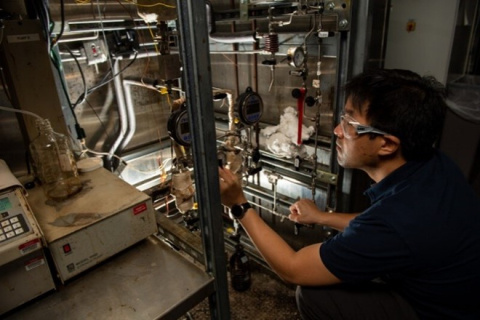
PNNL research elevates possibility of co-processing and looks to reduce deployment risks
Upgrading bio-oils with petroleum feedstocks at existing refineries—known as “co-processing”—could offer a fast pathway for lowering the carbon footprint of today’s transportation fuels.
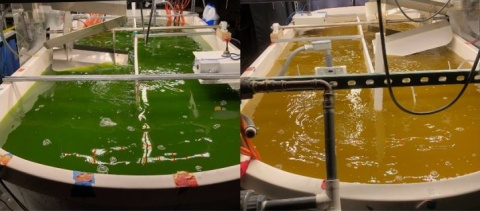
Algae are an exciting renewable feedstock for the future of fuels and products. One particularly interesting application, which the U.S. Department of Energy (DOE) Bioenergy Technologies Office (BETO) is exploring, shows the potential to turn
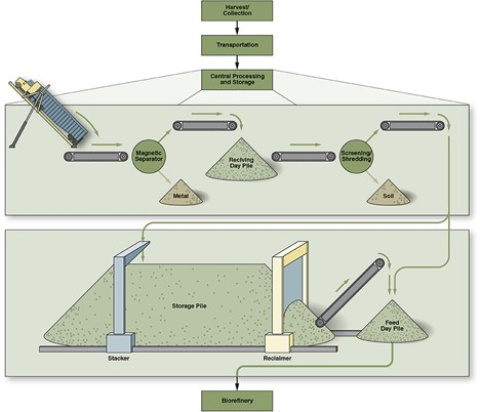
How Idaho National Laboratory's Dr. Lynn Wendt has come to understand and mitigate the detrimental impacts of biomass decay after harvest.
One of the most exciting things about bioenergy is the potential for one innovation to solve multiple problems. Last September, the U.S. secretaries of energy, transportation, and agriculture announced the Sustainable Aviation Fuel (SAF) Grand Challenge,
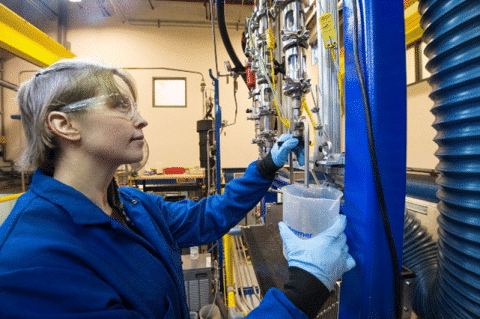
Supported by the U.S. Department of Energy Bioenergy Technologies Office, the National Renewable Energy Laboratory is striving to bring more sustainable aviation fuel to the market.
Perhaps worse than reinventing the wheel is being forced to reinvent the wheel. Unfortunately, that has been a reality for many scientists working to develop catalysts used to upgrade waste or biomass resources into climate-friendly biofuels.
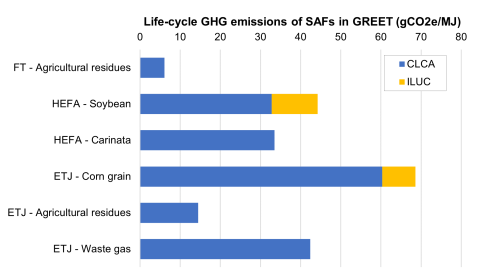
We need sustainable aviation fuels and efficient aircraft technologies to meet emissions reduction goals. Argonne’s GREET model can help guide the airline industry and jet fuel producers in the right direction.
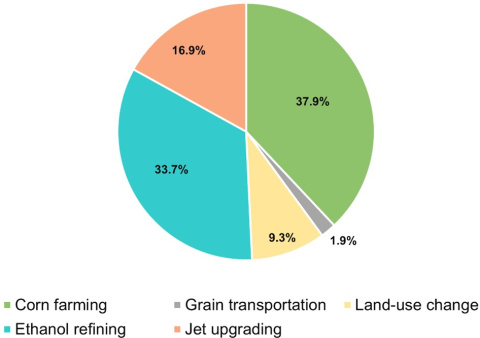
With cleaner technologies and regenerative farming practices, low-carbon ethanol can be converted into sustainable aviation fuels. Argonne’s GREET model simulation shows a path to zero-carbon jet fuel from corn-based ethanol.
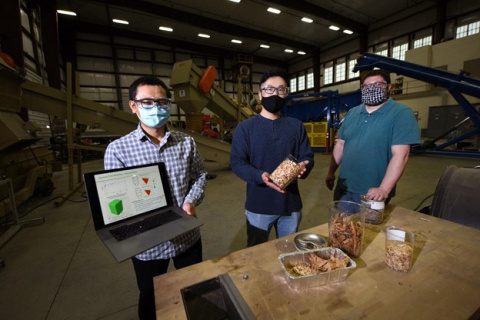
An Idaho National Laboratory research team has identified models that could help scale-up processing to industry scale at an economically low cost.