



RSS


Subscribe to the Marine Energy Newsletter
H2O's Marine Energy newsletter shares news and updates on tools, analysis, and emerging technologies to advance marine energy.
Below are stories about marine energy featured by the U.S. Department of Energy (DOE) Hydropower and Hydrokinetic Office.
The Energy Transitions Initiative Partnership Project launched a novel approach to support and work alongside 11 remote, island, and islanded communities to help develop strategies to shift to a clean, equitable, sustainable, and resilient energy future.
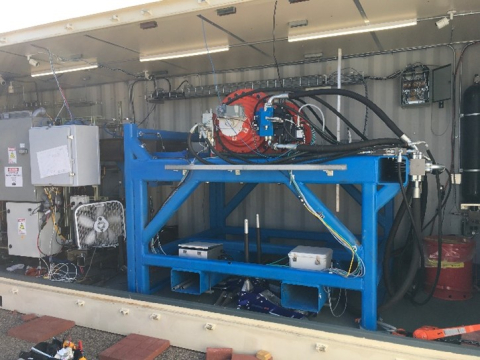
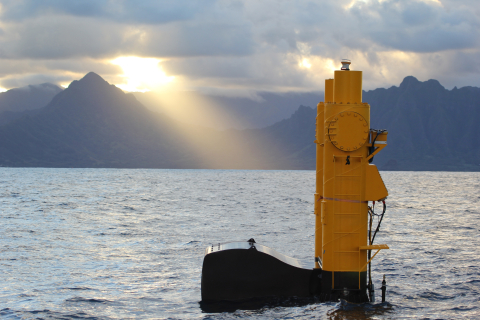
Sandia Wave Energy Power Take-Off Lab provides its first simulations for an industry partner, AquaHarmonics, leveraging its unique capabilities to evaluate performance on the wave energy converter device in advance of open-ocean testing in Hawaii.
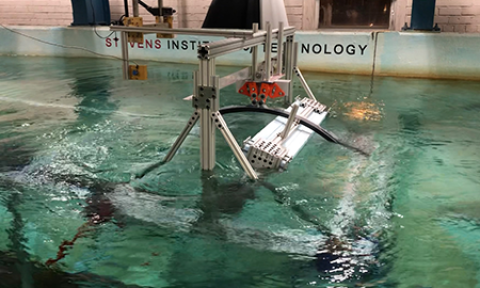
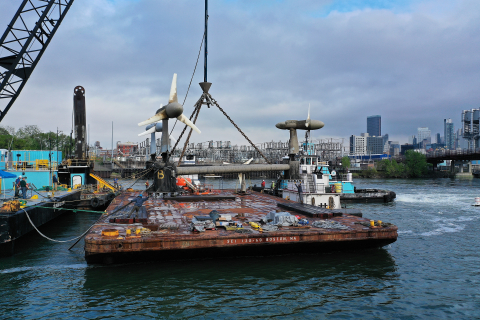
Team of industry and academic researchers advance the validation of a novel floating oscillating surge wave energy converter at the Stevens Institute of Technology in New Jersey.
Open-Source Wave Energy WEC-Sim Software Receives R&D 100 Award and Contributes to Space Exploration
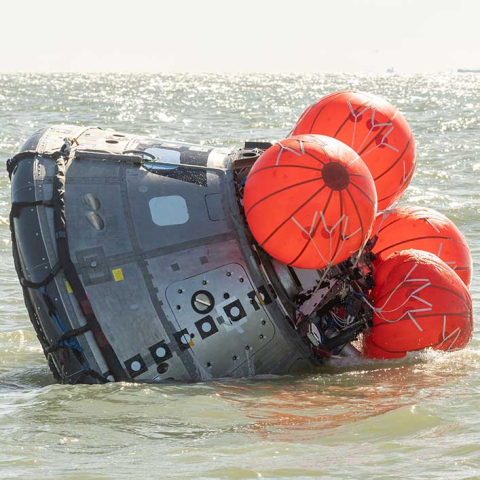
The open-source WEC-Sim software is recognized with a 2021 R&D 100 Award, while researchers at NASA and Lockheed Martin apply the software to help ensure the safety of the future crew of the Artemis I mission.
WPTO-supported committee publishes new internationally recognized standards that will pave the way for the most promising marine energy technologies to achieve commercialization.
Research demonstrates the potentially game-changing thermoplastic resin material for marine applications at a meaningful scale.
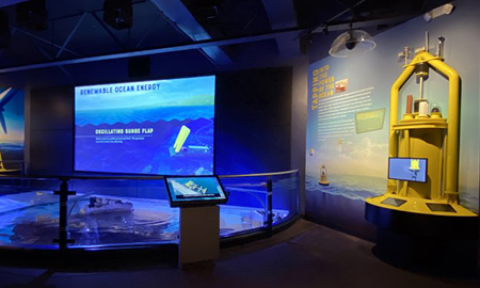
The Virtual Seedling Water Power Innovation R&D Showcase brought together more than 40 researchers to provide details and insight into innovations funded through the WPTO Seedlings program, a novel effort funding advancements in marine energy.
A multilab team of researchers identifies renewable marine energy resource potential and continues to refine these assessments as resources are further developed.
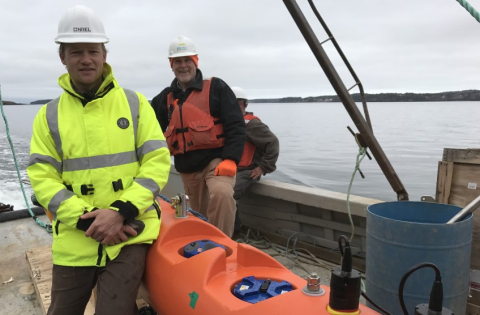
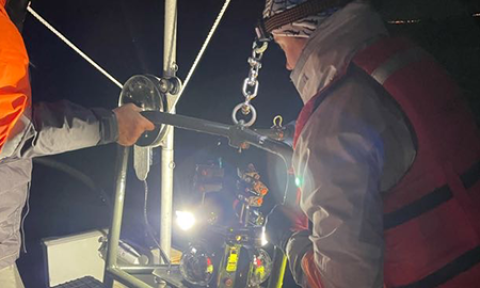
Triton team completes tests to inform recommendations for cost-effective, off-the-shelf technologies and methods for environmental monitoring at marine energy sites.
WPTO hosts 17 teams as part of the second Marine Energy Collegiate Competition and expands STEM for Marine Energy Portal resources.