



Nichole Fitzgerald shares how her boundless curiosity and love of chemistry took her from grade school to grad school to Director for the Hydropower and Hydrokinetic Office.
Hydropower and Hydrokinetic Office
May 12, 2026 Estimated Read Time min
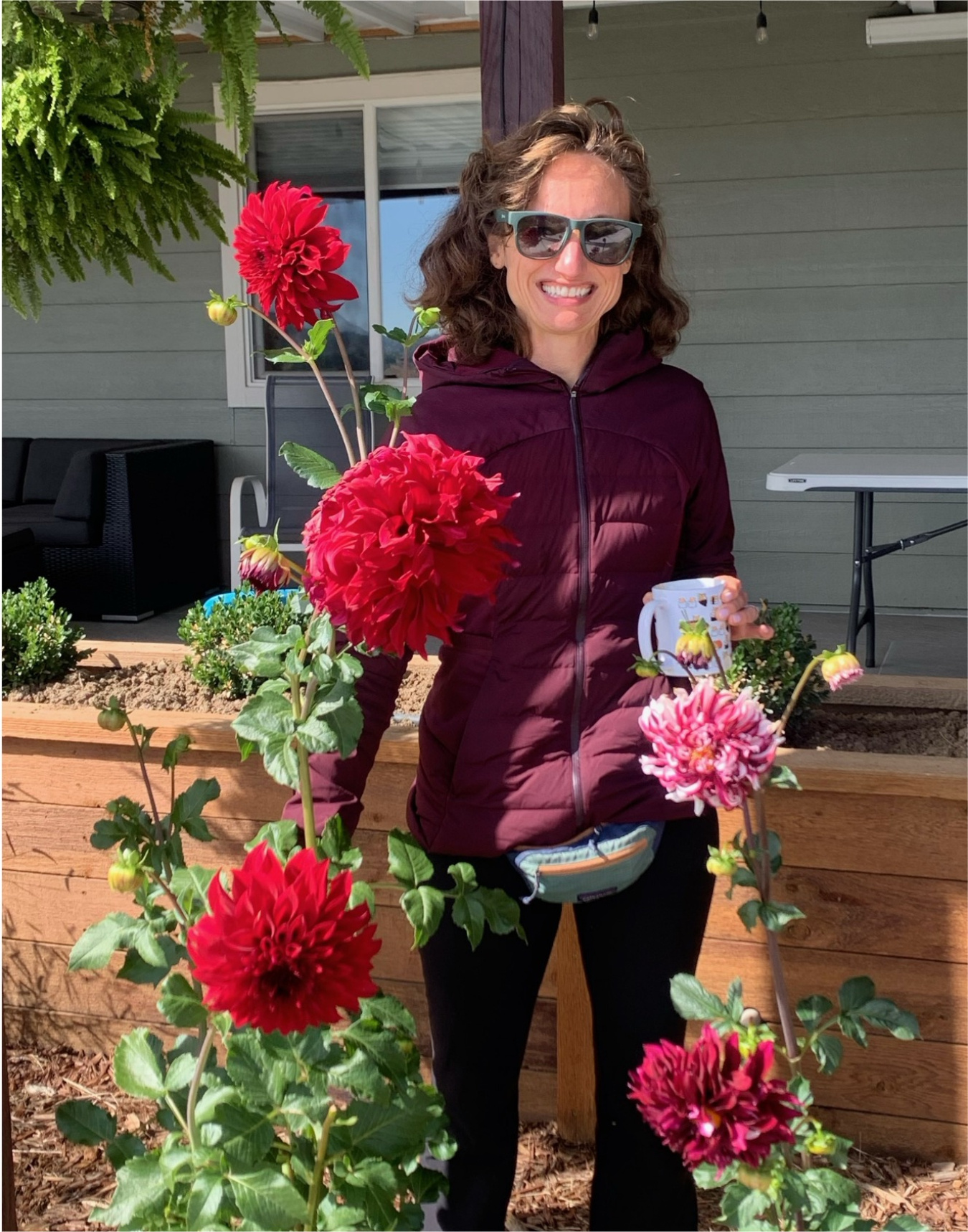
In grade school, Nichole Fitzgerald devised magic potions and lotions. She’s always loved the concept of making new things—especially new formulations and chemicals.
“I remember going under my mom’s sink, rummaging through her beauty supplies and thinking I'm going to concoct the best lotion ever that reduces wrinkles, soothes dry skin, and removes nail polish,” Fitzgerald said. “So, I’d mix all these things together—face creams, oils, makeup remover—and create new beauty products.”
Even though her all-in-one concoctions might have been a little gross (although safe to play with), Fitzgerald’s early curiosity became a lasting fascination with how things are made and transformed. Years later in high school, she was introduced to organic chemistry, and it clicked.
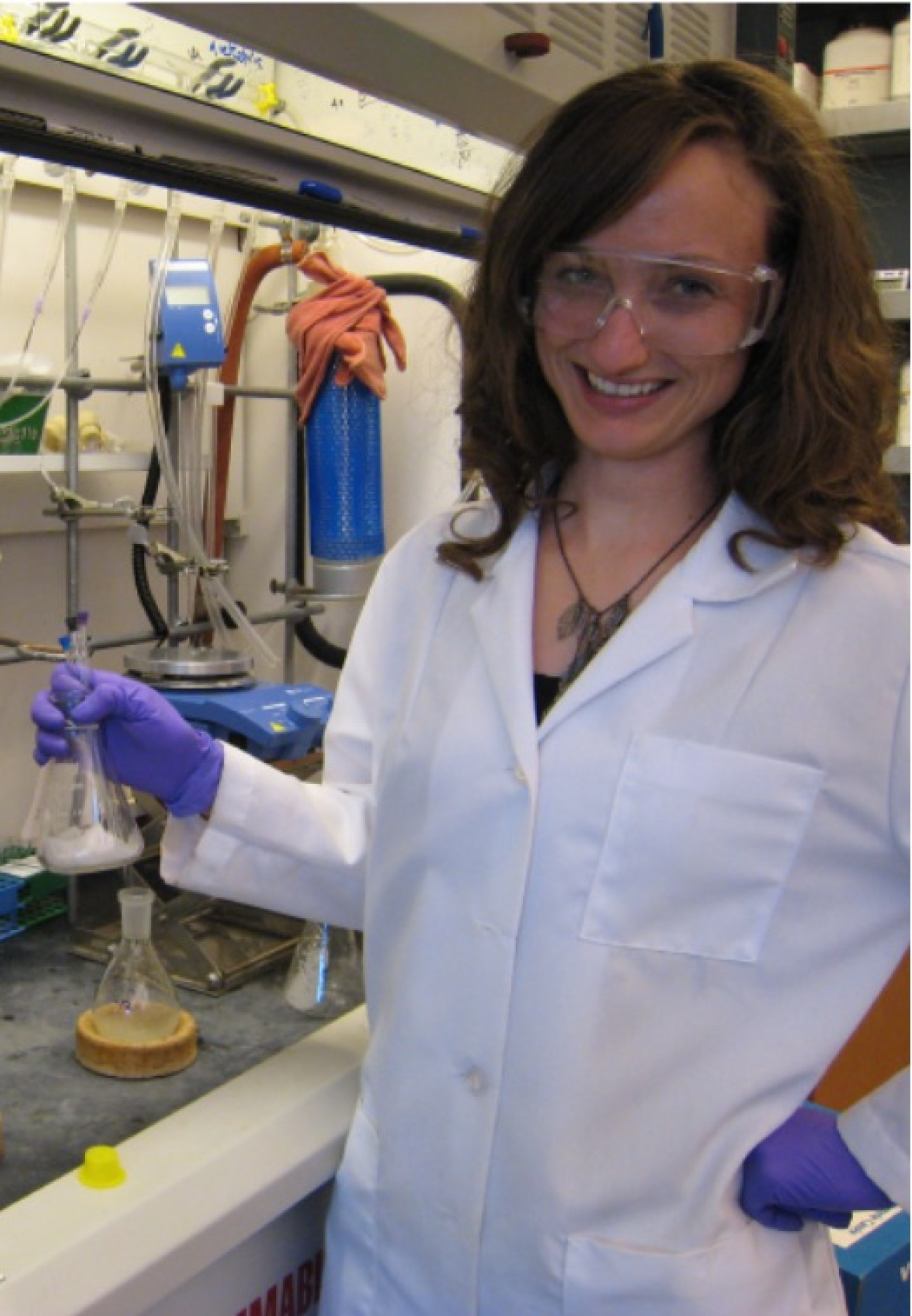
“Once I got to grad school, I spent most days creating new chemicals the planet had never seen before. I loved that. It was a very fun and special opportunity,” Fitzgerald said. “I was designing new catalysts that were fully organic. I had to test many, many structural variations to get the performance I was seeking.”
Fitzgerald eventually earned a Ph.D. in synthetic organic chemistry.
“I loved the element of exploration during my Ph.D. and postdoctoral work,” Fitzgerald said. “But as I progressed, I wanted to apply those skills to real world problems.”
Fitzgerald’s curiosity, love for new things, and desire to make the world a better place is what drew her to DOE nearly 14 years ago.
In this Q&A, Fitzgerald, now director of the U.S. Department of Energy’s (DOE’s) Hydropower and Hydrokinetic Office (H2O), shared how she’s applied her chemistry background, more about her transition from academia to government, and what excites her most about water power.
After completing your Ph.D., you dabbled in the art world as a scientist. What was that like?
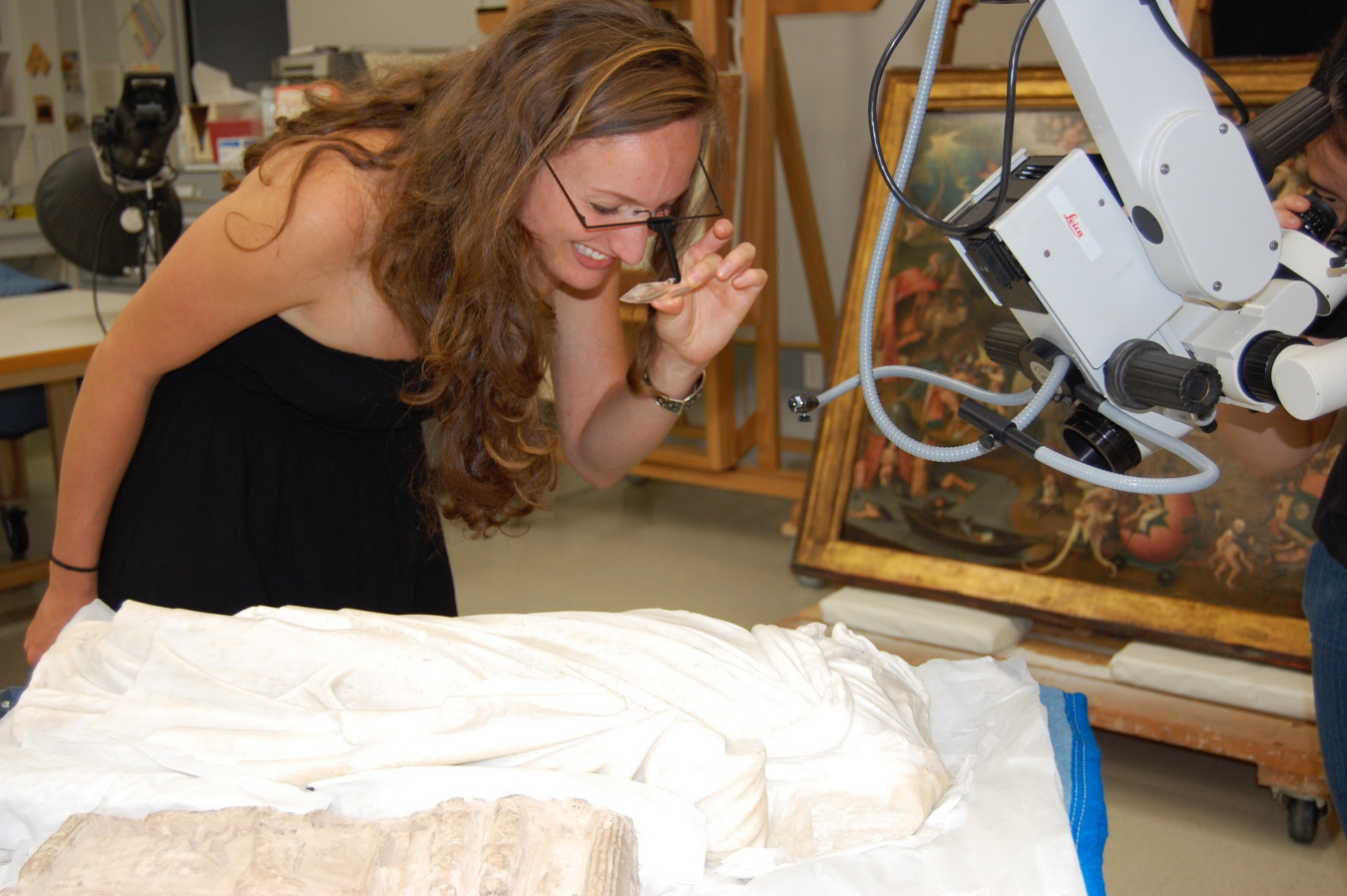
I was interested in finding a way to connect my science background with art, which led me to art conservation science. It’s a field that uses scientific tools to help preserve artwork and uncover things about a piece’s history or how it was made. In my role, I brought together a wide range of imaging and analytical tools from Stanford and applied them to the university’s art collection.
A highlight for me was teaching an undergraduate course focused on the intersection of art and science. Students made ink, paint, dyes, and paper from scratch, and then explored how those materials behave—like what’s really happening when oil paint “dries.” It was a lot of fun.
The experience helped me realize that there are so many opportunities for scientific creativity and discovery. Simply bringing together the right people and the right tools can open up a whole new world. It got me thinking about how impactful I could be in a role that helped facilitate research.
What spurred your transition from academia to government?
When I was writing proposals to get my postdoc funded, I was like, wait a minute—I'm writing on this very specific topic, other people are writing on this, but who in the government is deciding what the hot topics are? How are they choosing which things we really need to focus on?
So, I went down a rabbit hole and learned about Vannevar Bush, who wrote the original proposal to start the National Science Foundation and ultimately set up an infrastructure that mobilized scientists and engineers in the United States. He recognized that scientific research and development was a fundamental part of a flourishing society.
That was eye-opening to me. And I realized that’s where I wanted to be. Helping shape the country’s scientific direction and making sure it's extremely effective is one of the most important and patriotic things that we can do.
What did you do after completing your postdoc?
I applied for the American Association for the Advancement of Science fellowship program which places scientists and engineers in federal agencies, usually in Washington, D.C. That was an amazing experience. I landed in the Bioenergy Technologies Office (BETO), which was a good fit for me because I could use my background in chemistry.
At the time, BETO was looking to remove oxygen from waste plant materials, which are composed of hydrogen, carbon, and oxygen. By removing the oxygen from these compounds, we could create hydrocarbon chains that look and function like gasoline, diesel, and other fuels.
I was able to apply a lot what I learned from my Ph.D. work—which focused on the opposite process: introducing oxygen into hydrocarbon chains. It seemed like a big difference but ultimately it applied the same skillset.
What made you want to stay in energy research following your fellowship?
I’ve always been interested in fields that would help humanity. During my postdoc, I remember thinking about the energy crisis, how we collectively thought about energy, and how we could expand energy resources for all.
All of these ideas were percolating, and bioenergy was an amazing opportunity to use my existing skill set in this applied energy space. When I was in BETO, we funded research to make biobased nylons. Companies like Lululemon and Patagonia ultimately adopted those biobased materials, and I got to purchase a Lululemon shirt which was a product of that research. That was extremely rewarding and it felt amazing to bring something across the finish line and create a product that people can use.
14 years at DOE is a remarkable tenure—how has your role evolved, and what impact are you most proud of?
I ended up getting a federal position with BETO and specialized in conversion technologies that turned biomass into fuels and chemicals. I then began overseeing a program that developed technologies for collecting and processing waste carbon sources. After several years of doing that, I became the deputy director of the Hydrogen and Fuel Cell Technologies Office.
Working on R&D that has the potential to make a difference in somebody's life has been huge for me. Recycling plastics is a good example. It’s a very complex challenge that society is facing, and to help address it, we stood up a research consortium on bio-based technologies for recycling plastics. Scientists had discovered an organism that’s able to eat plastic. So, we started thinking: how could we take this fundamental discovery and translate it to real life solutions? What is needed to scale this up? What would be challenging about integrating something like this? Who needs to know about this?
Now that you're the director of H2O, what are some of your goals?
I think the director role is really about facilitating and enabling high quality R&D across labs, universities, and industry partners. It’s taking inspiration from Vannevar Bush and positioning the government as an accelerator, lifting up scientists and engineers so that we can build and strengthen our research infrastructure. Government support for R&D has led to dramatic improvements for humanity and the planet and I am proud to contribute to that.
I want to help shape the country’s scientific direction by ensuring that our R&D strategy is the best it can be and that we’re seeing impactful outputs. That means funding the best, highest quality work and ensuring that taxpayers are benefiting from this R&D.
What excites you most about being in the water power space?
The people! This team is well known for their dedication and creativity. There’s been some amazing successes with this group of people, like pioneering work in prizes and bringing that funding mechanism to the CMEI infrastructure.
Another thing that excites me is the extraordinarily diverse work we do at H2O. We fund everything from early-stage, super creative R&D to tangible incentives that make dams more efficient so that people can actually see changes in their energy prices. I’m excited to keep the breadth of H2O’s portfolio alive while working alongside outstanding people.
Catch up on our other Ripple Effect profiles and stay in the know with H2O! Receive the latest information on funding opportunities, events, and news, including the next Ripple Effect by subscribing to the Water Wire newsletter.