



RSS


Below are stories about testing facilities, capabilities, and certification featured by the U.S. Department of Energy (DOE) Integrated Energy Systems Office.
Subscribe to the IESO E-Newsletter
Subscribe to the IESO e-newsletter to stay informed on the latest wind energy news, events, publications, and updates.
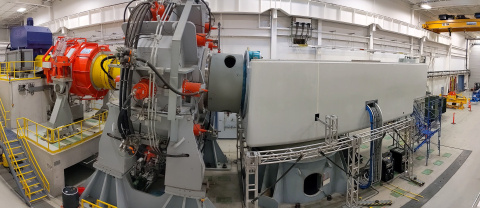
Researchers at Lehigh University, Clemson University, and Oregon State University have developed hybrid testing capabilities to help advance the next generation of offshore wind systems using physical and virtual conditions.
Last year brought many advances in wind energy. Here are the most influential wind energy stories from 2022 from the Wind Energy Technologies Office.
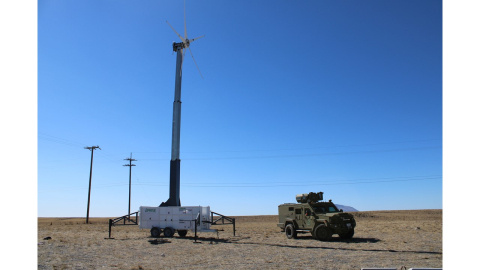
This DOE-funded project analyzes how to build a wind turbine that could serve both military and humanitarian missions around the world.
First-ever demonstration shows wind can fulfill a wider role in future power systems.
As 2021 draws to a close, the Wind Energy Technologies Office (WETO) is reflecting on our R&D, recent achievements, and recognitions, and getting ramped up for a new year of possibilities for wind energy.
The National Rotor Testbed is an open platform for testing new wind turbine technologies and collaborating among national laboratories to validate advanced computational models for wind turbines. The platform now includes wake control research.
Innovative projects support improving the ability to forecast wind power; demonstrating energy production technologies to reduce cost of offshore wind
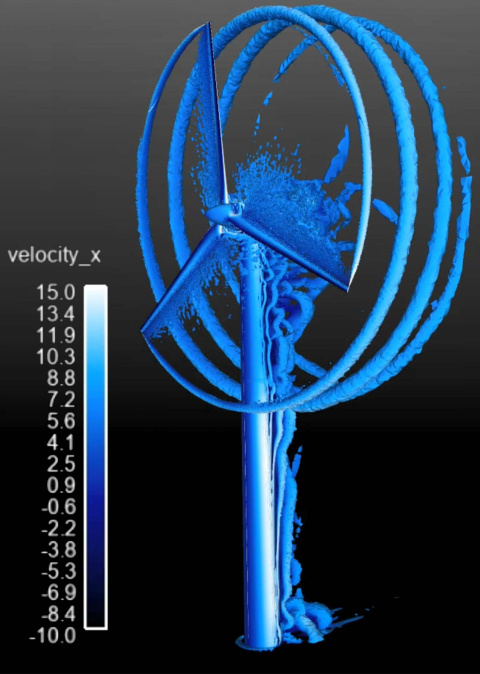
Accurate modeling of interactions between turbines, turbulence, and wakes indicates potential for lower wind plant costs and improved efficiency.
Wake steering field trials reveal potential for wind-plant-level control to increase annual energy production 1%–2% and profits by $1 million.
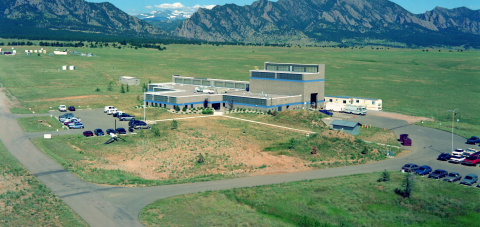
WETO is requesting public input on facility and infrastructure funding at the National Wind Technology Center.