



What is the grid edge?
The grid edge is where buildings, industry, transportation, renewables, storage, and the electric grid come together. Specifically, it's the area where electricity transitions between the energy utility and the end user.
Consumers interact with the grid edge in multiple ways, like when they install a solar panel on their home or update their electric panel.
To meet demand increase from data centers, buildings, industry, and transportation, our energy system needs to have a range of energy sources that are more integrated than ever before. That system requires thoughtful distribution planning to give the energy industry the resources they need to provide Americans with reliable technology they can trust, all in an infrastructure that they're comfortable with and at a price they can afford.
The U.S. Department of Energy's (DOE's) Office of Critical Minerals and Energy Innovation (CMEI) and Office of Electricity (OE) are supporting integrated energy system planning. With a network of technology offices and industry partners that support each sector of the U.S. renewable energy economy, we have the structure to bridge these gaps.
What is DOE's Approach to Supercharging the Grid?
DOE is expanding a flexible approach to accelerate the transition to a modern grid and respond to rapidly evolving technology demands. Increased engagement with industry, policy makers, regulators, and technology developers enables DOE to better shape our assistance and outreach. Through that engagement, DOE is focusing on research that creates replicable solutions and generates new data, tools, and analysis that are responsive to evolving challenges and regional priorities.
Many of the challenges and solutions for the grid are similar across technologies, so our approach to coordinating resources and solutions is guided by five principles:
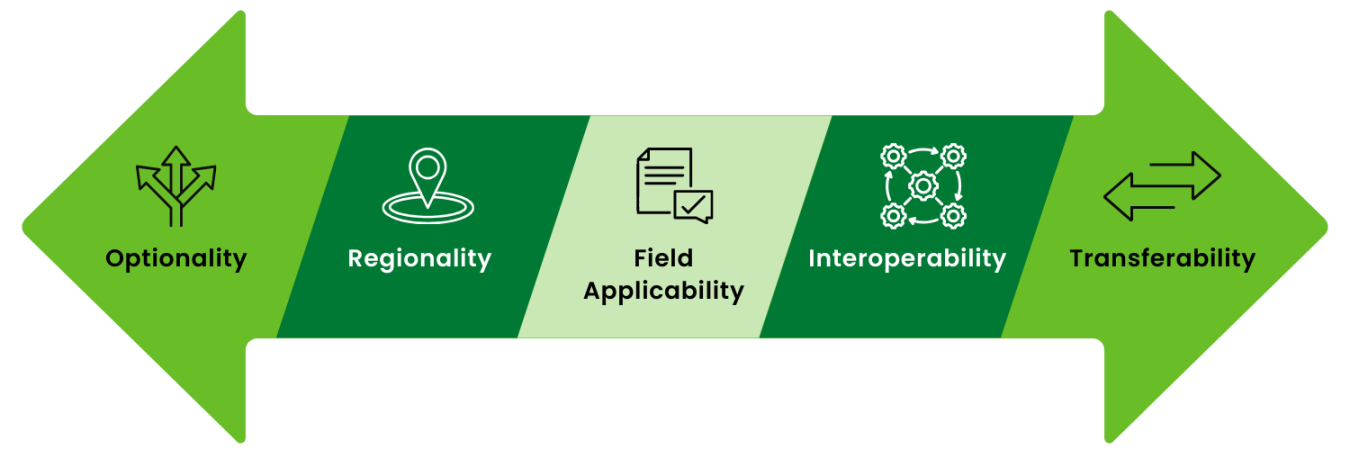
| Optionality | Regionality | Field Applicability | Interoperability | Transferability |
|---|---|---|---|---|
| There is no one-size-fits-all solution for the energy future. CMEI works with regional entities, states, and other entities to provide resources that help them achieve their energy objectives. | Energy realities, challenges, and priorities are unique within each U.S. region. Targeted engagement with regional entities and stakeholder groups is critical to understanding and helping them solve their unique challenges. | Working with real-world practitioners helps identify solutions and provide CMEI information to enable effective technology, planning, and regulatory approaches. | Different entities are able to bring their own data and tools to renewable energy solutions while leveraging existing and emerging technologies. New guidelines make sure these resources operate together to meet the objectives and preferences of end-users. | CMEI helps facilitate peer-to-peer exchanges and shares best practices in a way that allows communities across America to replicate proven renewable energy solutions. |
How Do We Supercharge the Electric Grid?
To accomplish this, DOE is enhancing its internal and external coordination and is expanding multiple forms of assistance to the energy industry in a user-focused and streamlined way:
DOE is a connector, convening regional forums and engaging at other key events to identify high-priority challenges (e.g., load forecasting, EV integration, building electrification, integrated system planning, threats to reliability and resilience, etc.), enable peer-to-peer sharing of best practices, and foster new relationships between institutions and dispersed programs. Just this March, DOE supported a regional training on planning for distribution systems, distributed energy resources and resilience for state energy offices, public utility commissions, and utility consumer advocates.
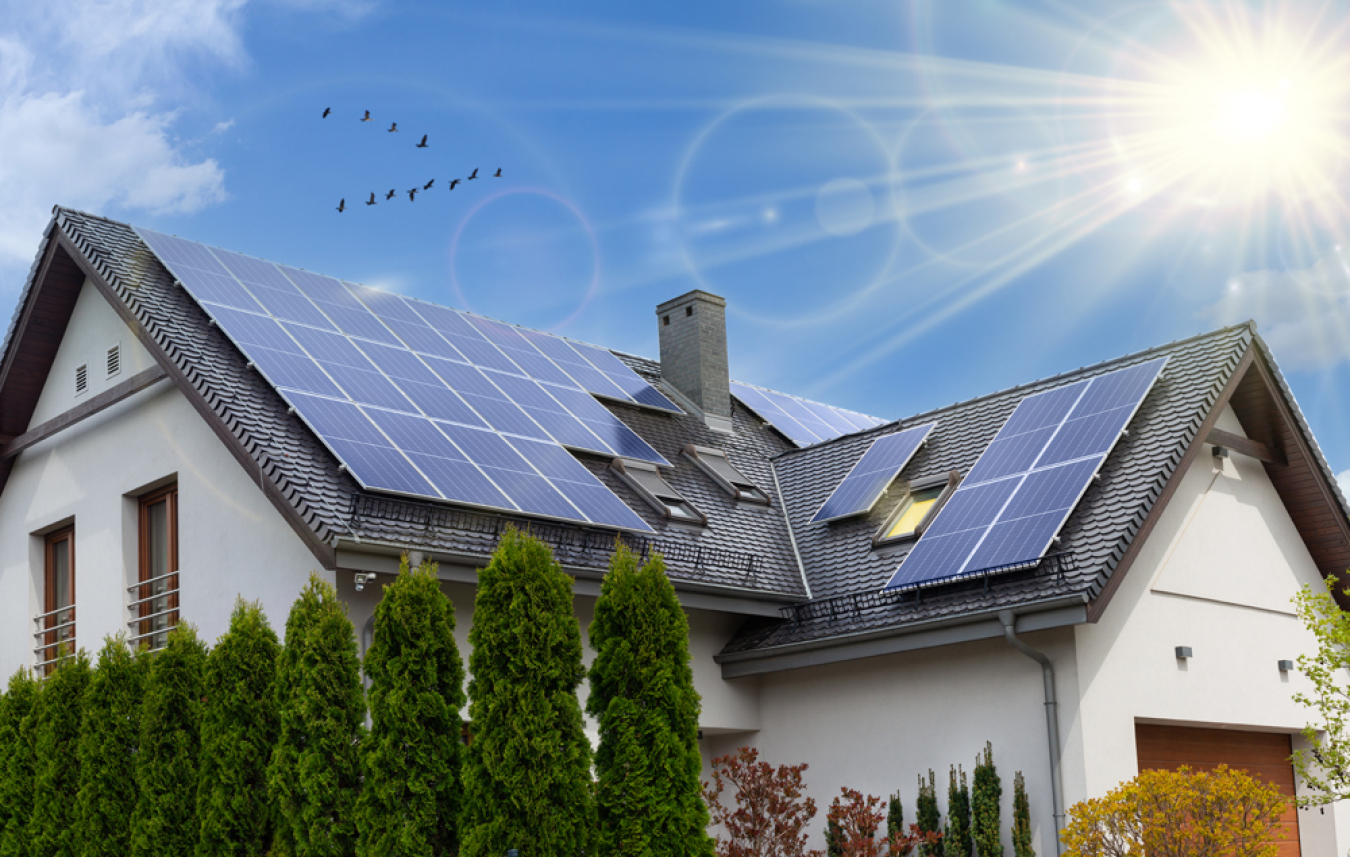
From integrated distribution system planning to analysis on the impact of community solar on the distribution grid, DOE develops best in class data, models, tools, analysis, and best practices informed by real-world data (from stakeholders and field validations) to enable decision making.
Transportation electrification is happening now with EVGrid Assist.
DOE provides direct analytical support to external entities (via subject matters experts including the national laboratories, industry, external consultants, or local academic institutions) to use planning tools, conduct critical analysis, develop guidelines, etc.
The State Technical Assistance Program provides high-impact technical assistance and resources at scales and intervals that are responsive to the needs of public utility commissions and state energy offices through multi-modal support options. EVGrid Assist also provides technical assistance and informs research and development on vehicle-grid integration to facilitate the rapid deployment of electric vehicles and the associated charging infrastructure by minimizing the impacts to the electric grid.

DOE is augmenting institutional capacity support and bandwidth by expanding the opportunity for institutions to participate in DOE's Clean Energy Innovator Fellowship (CEIF) program, offering more trainings for staff and streamlining access to DOE resources. Since 2017, DOE has placed fellows with 59 hosts across 36 states and territories to help them implement clean energy solutions. Industry experts can view current host institution projects to see if CEIF is the right program for them.
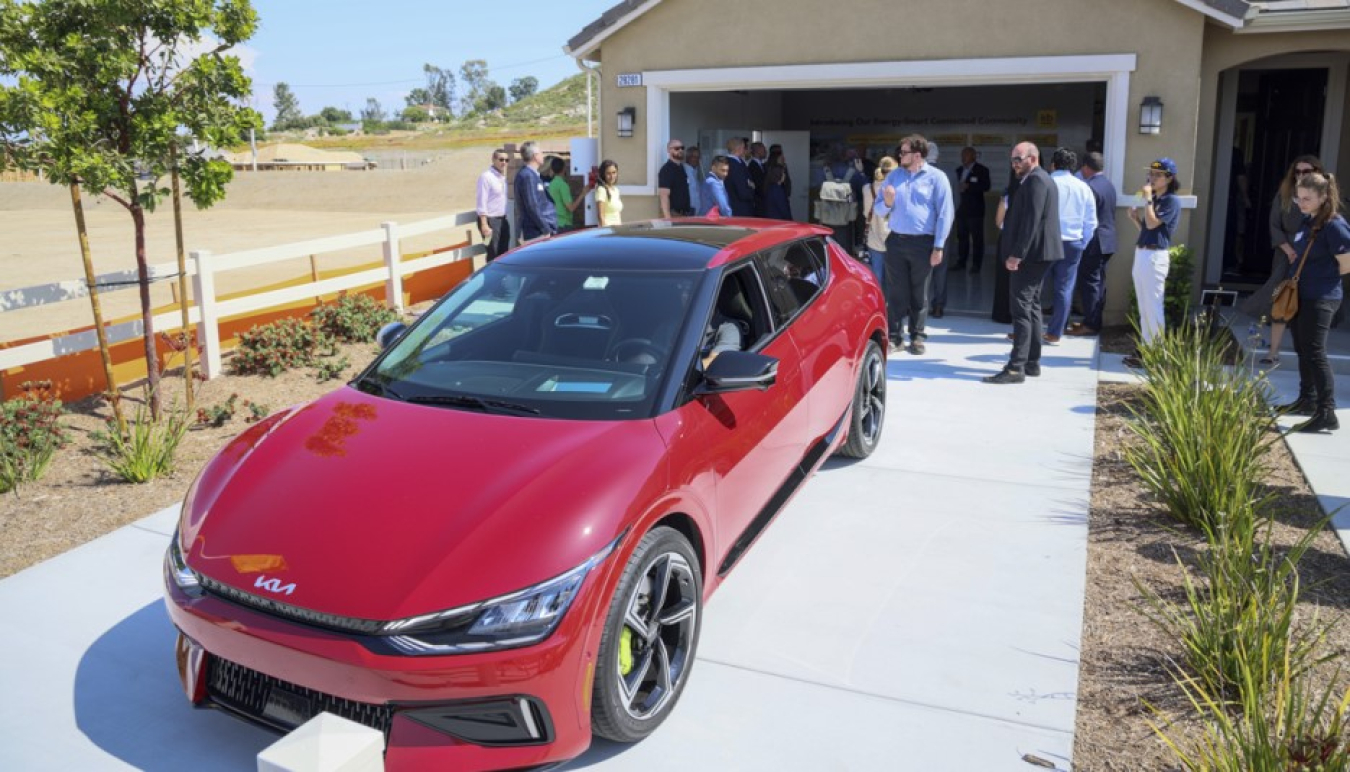
Residents tour a KB Home and its bidirectional vehicle-to-grid charging system in Menifee, California.
DOE provides field validation for emerging technologies in real-world situations, sharing outcomes in a way that enables practices to be replicated or extended in other jurisdictions, and informing technical assistance and stakeholder engagement. For example, DOE initiatives like Connected Communities can demonstrate best practices for advanced communities of grid-interactive efficient buildings like this recent project out of Menifee, California. DOE is coordinating on funding opportunities, prizes, and other vehicles to ensure our work on the grid is aligned and learnings are shared.