



RSS



HFTO is pleased to recognize the EnergyTech University Prize selection of student team ECHO Solutions from the University of Houston as the HFTO Bonus Prize finalist.
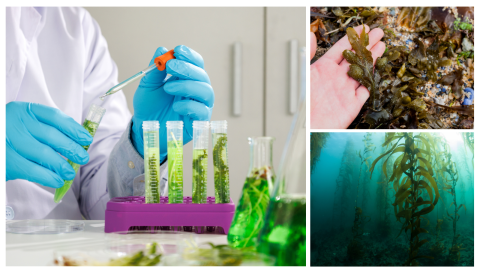
The U.S. Department of Energy’s Bioenergy Technologies Office (BETO) and Office of Fossil Energy and Carbon Management (FECM) today announced the MACRO: Mixed Algae Conversion Research Opportunity funding opportunity announcement (FOA). The FOA will award up to $18.8 million to address research and development (R&D) challenges in converting algae, such as seaweeds and other wet waste feedstocks, to biofuels and bioproducts that can reduce emissions for domestic transportation, industry, and communities.
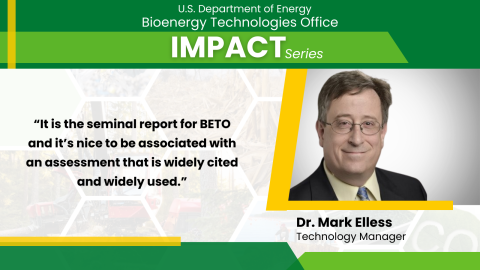
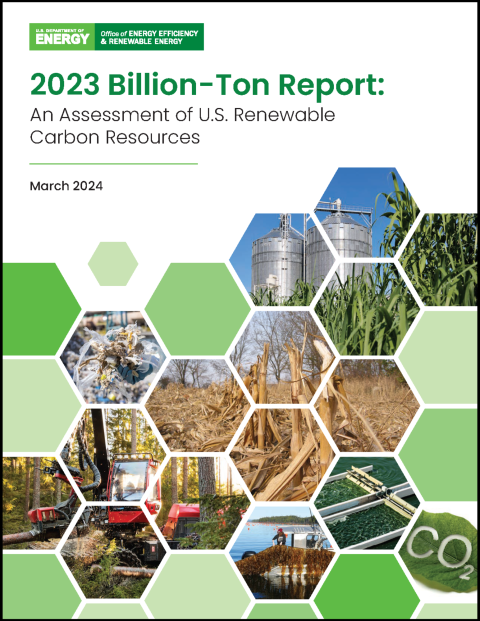
The U.S. Department of Energy (DOE) recently released a robust analysis, the 2023 Billion-Ton Report (BT23), showcasing how America could viably triple its production of biomass to more than 1 billion tons per year while still meeting the projected demand for food, feed, fiber, conventional forest products, and exports. The impact of this comprehensive analysis is far-reaching and DOE Bioenergy Technologies Office (BETO) Technology Manager, Dr. Mark Elless, managed the development of BT23 which was led by Oak Ridge National Laboratory.
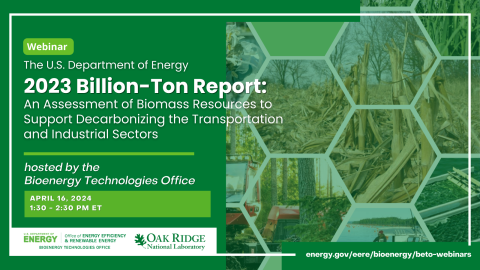
Join the U.S. Department of Energy (DOE) Bioenergy Technologies Office (BETO) and Oak Ridge National Laboratory (ORNL) for an informational webinar on the recently released 2023 Billion-Ton Report (BT23), an assessment of renewable carbon resources potentially available in the United States. The webinar will be held on Tuesday, April 16, 2024, from 1:30 pm – 2:30 pm ET.
On March 15, 2024, the U.S. Department of Energy (DOE) released the 2023 Billion-Ton Report (BT23), which shows that the United States could triple its production of biomass to more than 1 billion tons per year.
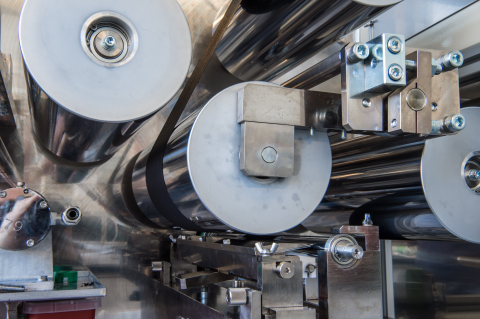
The U.S. Department of Energy’s (DOE) Hydrogen and Fuel Cell Technologies Office is pleased to highlight a renewed Roll-to-Roll (R2R) Consortium to develop “roll-to-roll” processes that will reduce the cost of manufacturing electrolyzers and fuel cells.
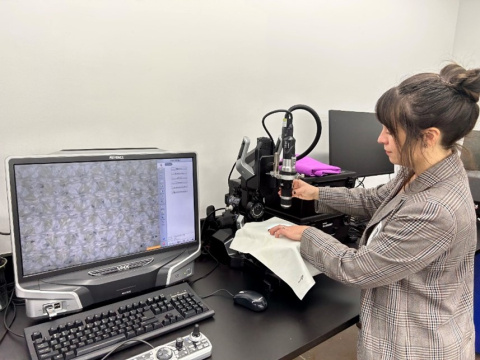
Preventing clothes from shedding may be impractical, if not impossible. However, scientists from the U.S. Department of Energy’s (DOE) Bio-Optimized Technologies to keep Thermoplastics out of Landfills and the Environment (BOTTLE™) consortium have developed an emerging solution that could address the challenge at its source: replace today’s petroleum-derived polyester with a nontoxic, biodegradable alternative made from PHAs, short for “polyhydroxyalkanoates.”
The Hydrogen Safety Panel at Pacific Northwest National Laboratory (PNNL) has established a dedicated mentoring program to attract qualified individuals interested in gaining expertise in hydrogen safety. The deadline to apply is March 31.
The U.S. Department of Energy is pleased to welcome the Energy Observer to a stopover visit in Washington D.C. as it nears the end of a seven-year expedition around the world to champion the cause of renewable energy.
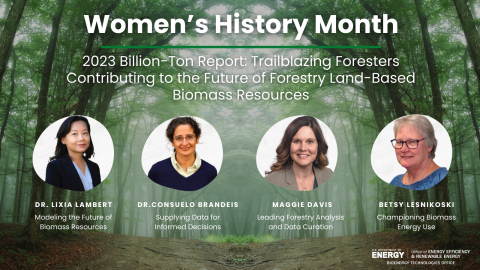
The U.S. Department of Energy (DOE) today released the 2023 Billion-Ton Report (BT23), which shows that the U.S. could triple its production of biomass to more than 1 billion tons per year. The report—the fourth in a series of assessments of potential biomass resources in the United States since 2005—finds that 1 billion tons of biomass could satisfy over 100% of the projected demand for airplane fuel in the country, allowing the U.S. to reduce emissions in the aviation industry with sustainable aviation fuel (SAF).