



RSS
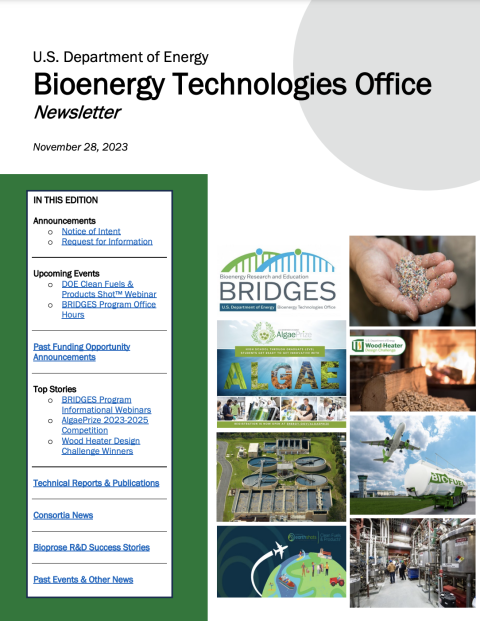


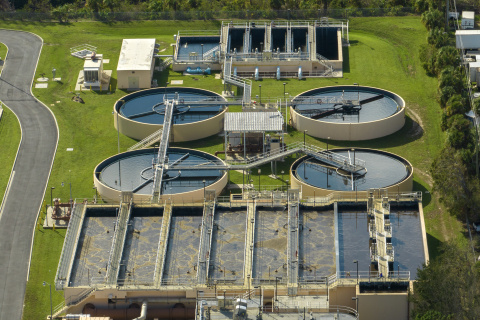



The U.S. Department of Energy (DOE) Bioenergy Technologies Office (BETO) has released its latest newsletter, containing funding opportunities, top stories and program updates, new technical reports, consortia news, success stories and upcoming and past...
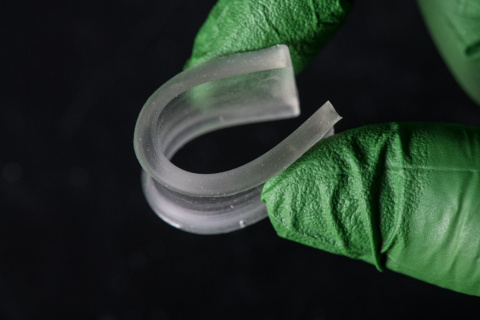
Great chemists have discovered ways to combine carbon, hydrogen, oxygen, and nitrogen into all manners of plastics: leak-proof food packaging, heat-resistant car parts, durable personal protective equipment—the list is long. The real challenge for...
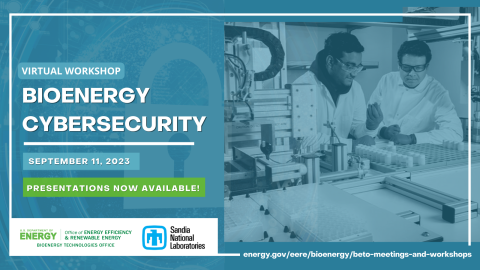
BETO, in collaboration with Sandia National Laboratories, held the Bioenergy Cybersecurity Workshop on September 11, 2023, to advance the security of the rapidly emerging U.S. bioproduction infrastructure.
Recognizing that the rail sector generates two percent of U.S. transportation emissions, the Department of Energy (DOE) has released a Request for Information (RFI) to understand applicable emissions reduction strategies. The purpose of t
The U.S. Department of Energy (DOE) announced a notice of intent for potential funding to accelerate the research, development, demonstration, and deployment of affordable hydrogen technologies.
The U.S. Department of Energy (DOE) Bioenergy Technologies Office (BETO) and Vehicle Technologies Office (VTO) announced their intent to issue a funding opportunity announcement (FOA) to support the development of community planning and strategies for con
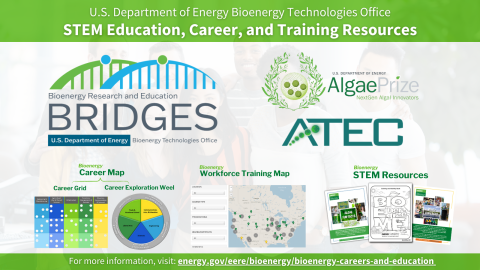
National STEM Day 2023 is a day for educators and students to explore interests in STEM and STEM-adjacent careers. It’s the perfect opportunity to:
In support of the Hydrogen Interagency Task Force, the Department of Transportation’s Federal Highway Administration will host a webinar on November 9 on the transportation factors unique to alternative fuel vehicles within tunnel environments.
The U.S. transportation sector, including cars, trucks, airplanes, ships, and trains, accounts for 34% of the nation’s emissions.
Recycling textiles can be challenging due to their blended materials, such as spandex or dyes, which are hard to isolate and purify. However, thanks to the U.S. Department of Energy (DOE) Office of Technology Transitions (OTT) Energy I-Corps initiative, t